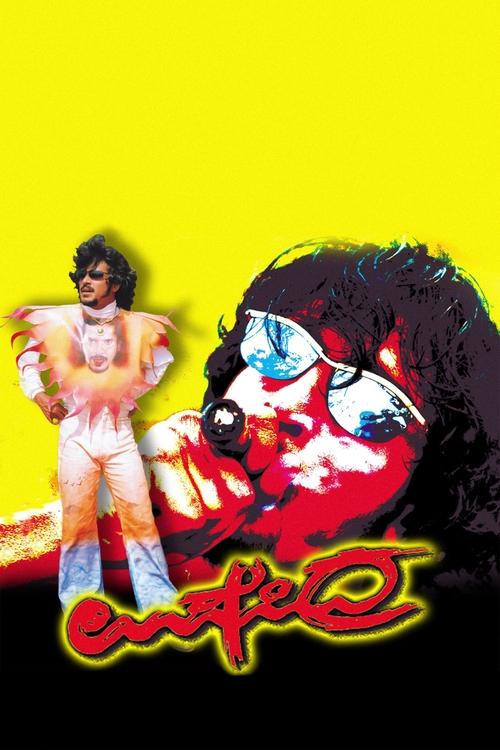
Upendra
Naanu, who always speaks the truth, is married to Swathi. However, he is soon pursued by Rathi and is forced to accept her love but finds it difficult to let go of his obsession with Keerthi.
Despite its shoestring budget of $340K, Upendra became a commercial juggernaut, earning $17.0M worldwide—a remarkable 4900% return. The film's bold vision found its audience, confirming that strong storytelling can transcend budget limitations.


Plot Structure
Story beats plotted across runtime


Narrative Arc
Emotional journey through the story's key moments
Story Circle
Blueprint 15-beat structure
Arcplot Score Breakdown
Weighted: Precision (70%) + Arc (15%) + Theme (15%)
Upendra (1999) exemplifies deliberately positioned plot construction, characteristic of Upendra's storytelling approach. This structural analysis examines how the film's 15-point plot structure maps to proven narrative frameworks across 2 hours and 18 minutes. With an Arcplot score of 7.3, the film balances conventional beats with creative variation.
Structural Analysis
The Status Quo at 1 minutes (1% through the runtime) establishes Director Upendra breaks the fourth wall, directly addressing the audience about the nature of cinema and reality. The film establishes itself as a meta-narrative challenging conventional storytelling.. Significantly, this early placement immediately immerses viewers in the story world.
The inciting incident occurs at 16 minutes when Naanu encounters the actress who will become central to his journey. This meeting disrupts his cynical worldview and forces him to confront his own existence as a character.. At 12% through the film, this Disruption aligns precisely with traditional story structure. This beat shifts the emotional landscape, launching the protagonist into the central conflict.
The First Threshold at 35 minutes marks the transition into Act II, occurring at 25% of the runtime. This reveals the protagonist's commitment to Naanu makes the active choice to pursue the relationship and engage with the film's reality, accepting his role in the narrative despite his awareness of its artificiality., moving from reaction to action.
At 69 minutes, the Midpoint arrives at 50% of the runtime—precisely centered, creating perfect narrative symmetry. Structural examination shows that this crucial beat A false victory: Naanu believes he has found authentic connection, but the director reveals this too is scripted. The revelation that even rebellion is part of the narrative structure raises stakes., fundamentally raising what's at risk. The emotional intensity shifts, dividing the narrative into clear before-and-after phases.
The Collapse moment at 104 minutes (75% through) represents the emotional nadir. Here, The relationship collapses or a major revelation occurs about the nature of reality within the film. The death of authenticity - the realization that genuine emotion may be impossible within constructed reality., reveals the protagonist at their lowest point. This beat's placement in the final quarter sets up the climactic reversal.
The Second Threshold at 110 minutes initiates the final act resolution at 80% of the runtime. Naanu synthesizes understanding: accepting the constructed nature of reality while choosing to act authentically within it. The realization that awareness itself creates a new kind of freedom., demonstrating the transformation achieved throughout the journey.
Emotional Journey
Upendra's emotional architecture traces a deliberate progression across 15 carefully calibrated beats.
Narrative Framework
This structural analysis employs proven narrative structure principles that track dramatic progression. By mapping Upendra against these established plot points, we can identify how Upendra utilizes or subverts traditional narrative conventions. The plot point approach reveals not only adherence to structural principles but also creative choices that distinguish Upendra within the thriller genre.
Upendra's Structural Approach
Among the 2 Upendra films analyzed on Arcplot, the average structural score is 7.3, reflecting strong command of classical structure. Upendra exemplifies the director's characteristic narrative technique. For comparative analysis, explore the complete Upendra filmography.
Comparative Analysis
Additional thriller films include Eye for an Eye, Lake Placid and Operation Finale. For more Upendra analyses, see UI.
Plot Points by Act
Act I
SetupStatus Quo
Director Upendra breaks the fourth wall, directly addressing the audience about the nature of cinema and reality. The film establishes itself as a meta-narrative challenging conventional storytelling.
Theme
A character questions the boundary between film and reality, stating that we are all performers in someone else's narrative. This establishes the theme: the constructed nature of identity and reality.
Worldbuilding
Introduction of Naanu (the protagonist) in his chaotic world. The film world is established with reverse narrative techniques, showing effects before causes, establishing the unconventional reality.
Disruption
Naanu encounters the actress who will become central to his journey. This meeting disrupts his cynical worldview and forces him to confront his own existence as a character.
Resistance
Naanu resists involvement in the romantic subplot while the director character debates the nature of the story being told. Meta-commentary on film conventions continues as guidance.
Act II
ConfrontationFirst Threshold
Naanu makes the active choice to pursue the relationship and engage with the film's reality, accepting his role in the narrative despite his awareness of its artificiality.
Mirror World
The romantic relationship with the actress character deepens, creating a mirror to Naanu's emotional emptiness. She represents genuine emotion in contrast to his performed existence.
Premise
Exploration of the meta-cinematic premise through elaborate sequences that deconstruct film genres, social commentary, and the relationship between audience and performer. The film delivers on its experimental promise.
Midpoint
A false victory: Naanu believes he has found authentic connection, but the director reveals this too is scripted. The revelation that even rebellion is part of the narrative structure raises stakes.
Opposition
The narrative turns darker as Naanu struggles against the predetermined structure of his existence. Social commentary intensifies, and the line between character and actor blurs further. Opposition comes from the script itself.
Collapse
The relationship collapses or a major revelation occurs about the nature of reality within the film. The death of authenticity - the realization that genuine emotion may be impossible within constructed reality.
Crisis
Naanu processes existential despair about being a character without autonomy. The film's darkest meditation on consciousness, free will, and the prison of narrative structure.
Act III
ResolutionSecond Threshold
Naanu synthesizes understanding: accepting the constructed nature of reality while choosing to act authentically within it. The realization that awareness itself creates a new kind of freedom.
Synthesis
Final confrontation with the nature of reality and cinema. Naanu executes his plan to complete the narrative on his own terms, merging character agency with narrative necessity.
Transformation
Final meta-theatrical moment showing transformation: Naanu fully integrated as both character and conscious being. The closing image mirrors the opening but shows acceptance rather than cynicism - still performed, but with awareness and purpose.