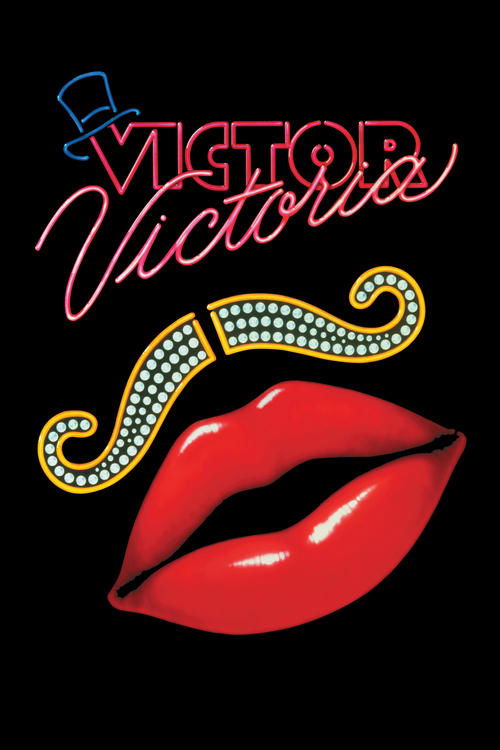
Victor/Victoria
A struggling female soprano finds work playing a male female impersonator, but it complicates her personal life.
Working with a respectable budget of $15.0M, the film achieved a modest success with $28.2M in global revenue (+88% profit margin).
1 Oscar. 11 wins & 18 nominations


Plot Structure
Story beats plotted across runtime


Narrative Arc
Emotional journey through the story's key moments
Story Circle
Blueprint 15-beat structure
Arcplot Score Breakdown
Weighted: Precision (70%) + Arc (15%) + Theme (15%)
Victor/Victoria (1982) exhibits carefully calibrated narrative architecture, characteristic of Blake Edwards's storytelling approach. This structural analysis examines how the film's 15-point plot structure maps to proven narrative frameworks across 2 hours and 14 minutes. With an Arcplot score of 6.5, the film balances conventional beats with creative variation.
Structural Analysis
The Status Quo at 1 minutes (1% through the runtime) establishes Victoria Grant, a talented soprano, is destitute in 1930s Paris. She shivers in her cheap hotel room, unable to pay rent, and resorts to eating a cockroach in her salad at a restaurant to avoid paying the bill—a portrait of desperation and hunger.. The analysis reveals that this early placement immediately immerses viewers in the story world.
The inciting incident occurs at 16 minutes when After their disastrous night at the restaurant, Toddy has a brilliant idea: Victoria could pose as a man—a Polish female impersonator named "Count Victor Grazinski." This outrageous proposition offers an escape from their desperate circumstances.. At 12% through the film, this Disruption aligns precisely with traditional story structure. This beat shifts the emotional landscape, launching the protagonist into the central conflict.
The First Threshold at 34 minutes marks the transition into Act II, occurring at 25% of the runtime. This reveals the protagonist's commitment to Victoria takes the stage as Victor, performing "Le Jazz Hot" at Chez Lui. The performance is a triumph—the audience is captivated by this "man" who so convincingly portrays a woman. Victoria has crossed into her new identity; there is no going back., moving from reaction to action.
At 67 minutes, the Midpoint arrives at 50% of the runtime—precisely centered, creating perfect narrative symmetry. Significantly, this crucial beat King breaks into Victoria's hotel room and discovers the truth—Victor is a woman. Rather than exposing her, he's relieved and elated. They consummate their relationship. This is a false victory: Victoria has love but must maintain the public deception, raising the stakes considerably., fundamentally raising what's at risk. The emotional intensity shifts, dividing the narrative into clear before-and-after phases.
The Collapse moment at 101 minutes (75% through) represents the emotional nadir. Here, The private detective reports to Labisse with evidence of Victoria's true identity. Simultaneously, King's reputation is being destroyed—associates refuse to do business with a "homosexual." Victoria realizes her deception is collapsing and may destroy both their futures. The dream is dying., indicates the protagonist at their lowest point. This beat's placement in the final quarter sets up the climactic reversal.
The Second Threshold at 108 minutes initiates the final act resolution at 80% of the runtime. King publicly punches a man who calls Victor a "fag," declaring he doesn't care what anyone thinks. This act of defiance synthesizes his journey: he's learned from Toddy and Victoria that authenticity matters more than reputation. Victoria realizes she must match his courage., demonstrating the transformation achieved throughout the journey.
Emotional Journey
Victor/Victoria's emotional architecture traces a deliberate progression across 15 carefully calibrated beats.
Narrative Framework
This structural analysis employs proven narrative structure principles that track dramatic progression. By mapping Victor/Victoria against these established plot points, we can identify how Blake Edwards utilizes or subverts traditional narrative conventions. The plot point approach reveals not only adherence to structural principles but also creative choices that distinguish Victor/Victoria within the music genre.
Blake Edwards's Structural Approach
Among the 15 Blake Edwards films analyzed on Arcplot, the average structural score is 7.1, reflecting strong command of classical structure. Victor/Victoria takes a more unconventional approach compared to the director's typical style. For comparative analysis, explore the complete Blake Edwards filmography.
Comparative Analysis
Additional music films include South Pacific, Dirty Dancing: Havana Nights and Yesterday. For more Blake Edwards analyses, see Revenge of the Pink Panther, Curse of the Pink Panther and 10.
Plot Points by Act
Act I
SetupStatus Quo
Victoria Grant, a talented soprano, is destitute in 1930s Paris. She shivers in her cheap hotel room, unable to pay rent, and resorts to eating a cockroach in her salad at a restaurant to avoid paying the bill—a portrait of desperation and hunger.
Theme
Toddy tells Victoria that in show business, "It's not how good you are, it's how good they think you are." This establishes the film's central theme: identity is performance, and success depends on perception rather than authentic talent.
Worldbuilding
The glamorous yet struggling world of 1930s Paris nightclub entertainment is established. Victoria fails auditions despite her talent, Toddy loses his job and boyfriend, and both face the harsh reality that talent alone doesn't guarantee success in a world obsessed with novelty and spectacle.
Disruption
After their disastrous night at the restaurant, Toddy has a brilliant idea: Victoria could pose as a man—a Polish female impersonator named "Count Victor Grazinski." This outrageous proposition offers an escape from their desperate circumstances.
Resistance
Toddy becomes Victoria's guide into the world of deception. He coaches her on masculine mannerisms, creates her backstory, and helps her rehearse the role. Victoria hesitates—the plan seems absurd and risky—but Toddy's enthusiasm and their mutual desperation push her toward the commitment.
Act II
ConfrontationFirst Threshold
Victoria takes the stage as Victor, performing "Le Jazz Hot" at Chez Lui. The performance is a triumph—the audience is captivated by this "man" who so convincingly portrays a woman. Victoria has crossed into her new identity; there is no going back.
Mirror World
King Marchand, a Chicago nightclub owner, sees Victor perform and is immediately attracted—then confused when he learns Victor is supposedly a man. King represents everything Victoria wants but cannot have as Victor: romance, authentic connection, and acceptance as her true self.
Premise
The delicious complications of Victoria's masquerade unfold. Victor becomes a sensation; King pursues "him" despite his confusion about his own sexuality; Norma grows jealous; and Squash, King's bodyguard, begins falling for Toddy. The premise delivers escalating comedic and romantic tangles.
Midpoint
King breaks into Victoria's hotel room and discovers the truth—Victor is a woman. Rather than exposing her, he's relieved and elated. They consummate their relationship. This is a false victory: Victoria has love but must maintain the public deception, raising the stakes considerably.
Opposition
The secret romance forces impossible choices. King must pretend to be gay to be with "Victor." His business associates grow suspicious. Norma, scorned and jealous, hires a private detective. Labisse, a rival club owner, schemes to prove Victor is a fraud. The walls close in from every direction.
Collapse
The private detective reports to Labisse with evidence of Victoria's true identity. Simultaneously, King's reputation is being destroyed—associates refuse to do business with a "homosexual." Victoria realizes her deception is collapsing and may destroy both their futures. The dream is dying.
Crisis
Victoria faces an impossible choice: maintain the lucrative Victor persona and lose King, or reveal herself and lose everything she's built. King struggles with sacrificing his reputation and business. Both must decide what matters more—success or authenticity, career or love.
Act III
ResolutionSecond Threshold
King publicly punches a man who calls Victor a "fag," declaring he doesn't care what anyone thinks. This act of defiance synthesizes his journey: he's learned from Toddy and Victoria that authenticity matters more than reputation. Victoria realizes she must match his courage.
Synthesis
At the climactic performance, Labisse prepares to expose Victor. But Toddy, in a masterstroke, takes the stage as "Victoria" while the real Victoria appears as herself in the audience with King. The twist confounds everyone—if Victor is on stage and Victoria is in the audience, Victor must be real. Toddy becomes the new star, Victoria gains freedom, and King gets his woman.
Transformation
Victoria, finally free to be herself, sits in the audience with King while Toddy performs triumphantly on stage. The woman who began the film starving and desperate is now successful, loved, and—most importantly—authentic. She's traded the trap of Victor for the freedom of Victoria.