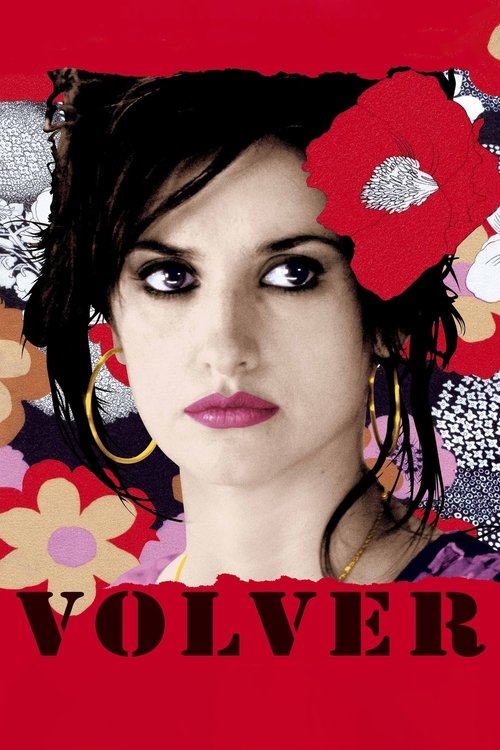
Volver
Raimunda, a working-class woman living in Madrid, is dealing with the aftermath of a fire that killed her parents in her native village in La Mancha. Raimunda's life is further complicated when her deceased mother, Irene, returns as a ghost to resolve unfinished family business, including a murder and other buried truths.
Despite its modest budget of $12.9M, Volver became a box office phenomenon, earning $85.6M worldwide—a remarkable 563% return. The film's bold vision resonated with audiences, illustrating how strong storytelling can transcend budget limitations.
Nominated for 1 Oscar. 61 wins & 94 nominations


Plot Structure
Story beats plotted across runtime


Narrative Arc
Emotional journey through the story's key moments
Story Circle
Blueprint 15-beat structure
Arcplot Score Breakdown
Weighted: Precision (70%) + Arc (15%) + Theme (15%)
Volver (2006) demonstrates strategically placed story structure, characteristic of Pedro Almodóvar's storytelling approach. This structural analysis examines how the film's 15-point plot structure maps to proven narrative frameworks across 2 hours and 1 minutes. With an Arcplot score of 7.1, the film balances conventional beats with creative variation.
Structural Analysis
The Status Quo at 1 minutes (1% through the runtime) establishes Women of La Mancha clean graves in the cemetery amid howling wind, establishing the matriarchal community and the central relationship between the living and the dead that defines Raimunda's world.. Structural examination shows that this early placement immediately immerses viewers in the story world.
The inciting incident occurs at 15 minutes when Paula kills her stepfather Paco with a kitchen knife when he attempts to rape her, shattering Raimunda's fragile domestic stability and forcing her into crisis mode to protect her daughter.. At 12% through the film, this Disruption aligns precisely with traditional story structure. This beat shifts the emotional landscape, launching the protagonist into the central conflict.
The First Threshold at 30 minutes marks the transition into Act II, occurring at 25% of the runtime. This illustrates the protagonist's commitment to Raimunda commits fully to the cover-up by agreeing to run the abandoned restaurant, using it both to hide Paco's body and create a new life, crossing into a world of secrets and reinvention., moving from reaction to action.
At 61 minutes, the Midpoint arrives at 50% of the runtime—precisely centered, creating perfect narrative symmetry. Of particular interest, this crucial beat Raimunda's restaurant venture succeeds triumphantly as she caters the film crew, earning money and respect. This false victory masks the unresolved secrets - Paco's body, Irene's presence, and the buried family trauma yet to surface., fundamentally raising what's at risk. The emotional intensity shifts, dividing the narrative into clear before-and-after phases.
The Collapse moment at 91 minutes (75% through) represents the emotional nadir. Here, Agustina, dying of cancer, reveals on television that Irene may have murdered her husband and his mistress - Agustina's own mother. The public exposure of family secrets forces the buried past into the open, threatening everything Raimunda has built., indicates the protagonist at their lowest point. This beat's placement in the final quarter sets up the climactic reversal.
The Second Threshold at 97 minutes initiates the final act resolution at 80% of the runtime. Raimunda finally confronts Irene and learns the devastating truth: her father had raped her as a child, Paula is the result, and Irene killed him to protect her daughter. Mother and daughter begin the process of reconciliation through shared truth., demonstrating the transformation achieved throughout the journey.
Emotional Journey
Volver's emotional architecture traces a deliberate progression across 15 carefully calibrated beats.
Narrative Framework
This structural analysis employs systematic plot point analysis that identifies crucial turning points. By mapping Volver against these established plot points, we can identify how Pedro Almodóvar utilizes or subverts traditional narrative conventions. The plot point approach reveals not only adherence to structural principles but also creative choices that distinguish Volver within the comedy genre.
Pedro Almodóvar's Structural Approach
Among the 13 Pedro Almodóvar films analyzed on Arcplot, the average structural score is 7.1, reflecting strong command of classical structure. Volver represents one of the director's most structurally precise works. For comparative analysis, explore the complete Pedro Almodóvar filmography.
Comparative Analysis
Additional comedy films include The Bad Guys, Ella Enchanted and The Evening Star. For more Pedro Almodóvar analyses, see Live Flesh, All About My Mother and Women on the Verge of a Nervous Breakdown.
Plot Points by Act
Act I
SetupStatus Quo
Women of La Mancha clean graves in the cemetery amid howling wind, establishing the matriarchal community and the central relationship between the living and the dead that defines Raimunda's world.
Theme
Aunt Paula remarks that the dead don't truly leave us, foreshadowing the film's exploration of how secrets, guilt, and maternal bonds transcend death itself.
Worldbuilding
Raimunda's life in Madrid is established: her distant marriage to unemployed Paco, her teenage daughter Paula, her bond with sister Sole, and their ties to their rural hometown where Aunt Paula is cared for by a neighbor claiming to see their dead mother Irene's ghost.
Disruption
Paula kills her stepfather Paco with a kitchen knife when he attempts to rape her, shattering Raimunda's fragile domestic stability and forcing her into crisis mode to protect her daughter.
Resistance
Raimunda conceals Paco's body in a restaurant freezer while simultaneously learning of Aunt Paula's death. She debates her options, lies to neighbors about Paco leaving, and begins the cover-up that will define her journey.
Act II
ConfrontationFirst Threshold
Raimunda commits fully to the cover-up by agreeing to run the abandoned restaurant, using it both to hide Paco's body and create a new life, crossing into a world of secrets and reinvention.
Mirror World
Sole discovers their mother Irene hiding in her trunk after Aunt Paula's funeral - the ghost is real and alive. This supernatural-seeming return opens the thematic exploration of maternal love, forgiveness, and unresolved trauma.
Premise
Raimunda thrives running the restaurant, catering a film crew and finding unexpected purpose and community. Meanwhile, Irene hides at Sole's apartment working as an unlicensed hairdresser, slowly reconnecting with her family while staying hidden from Raimunda.
Midpoint
Raimunda's restaurant venture succeeds triumphantly as she caters the film crew, earning money and respect. This false victory masks the unresolved secrets - Paco's body, Irene's presence, and the buried family trauma yet to surface.
Opposition
The walls close in as Raimunda must dispose of Paco's body, neighbor Agustina presses for information about her missing mother, and the secret of Irene's survival threatens to emerge. Raimunda narrowly avoids discovery while old wounds fester.
Collapse
Agustina, dying of cancer, reveals on television that Irene may have murdered her husband and his mistress - Agustina's own mother. The public exposure of family secrets forces the buried past into the open, threatening everything Raimunda has built.
Crisis
Raimunda confronts the collision of past and present. She must face her estranged mother and the truth about their family history while processing her own trauma and the violence she's covered up to protect Paula.
Act III
ResolutionSecond Threshold
Raimunda finally confronts Irene and learns the devastating truth: her father had raped her as a child, Paula is the result, and Irene killed him to protect her daughter. Mother and daughter begin the process of reconciliation through shared truth.
Synthesis
The women's secrets and traumas are aired and processed. Irene cares for dying Agustina as penance, Raimunda and Paula's bond strengthens through honesty, and the matriarchal community absorbs and forgives the violence born of protection and survival.
Transformation
Raimunda embraces her mother Irene at Agustina's bedside, the generations of women united in caregiving rather than divided by secrets. The wind that haunted the opening now carries acceptance - the dead return not as ghosts but as reconciled family.