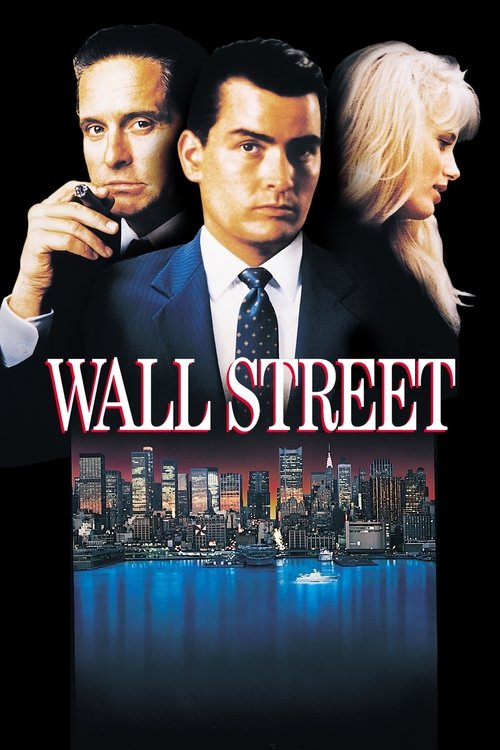
Wall Street
A young and impatient stockbroker is willing to do anything to get to the top, including trading on illegal inside information taken through a ruthless and greedy corporate raider, whom takes the youth under his wing.
Despite a mid-range budget of $15.0M, Wall Street became a solid performer, earning $43.9M worldwide—a 193% return.
1 Oscar. 9 wins & 4 nominations


Plot Structure
Story beats plotted across runtime


Narrative Arc
Emotional journey through the story's key moments
Story Circle
Blueprint 15-beat structure
Arcplot Score Breakdown
Weighted: Precision (70%) + Arc (15%) + Theme (15%)
Wall Street (1987) reveals meticulously timed narrative architecture, characteristic of Oliver Stone's storytelling approach. This structural analysis examines how the film's 15-point plot structure maps to proven narrative frameworks across 2 hours and 6 minutes. With an Arcplot score of 6.7, the film balances conventional beats with creative variation.
Structural Analysis
The Status Quo at 1 minutes (1% through the runtime) establishes Bud Fox, a young stockbroker at Jackson Steinem & Co., cold-calls clients from his cramped office, hustling to make sales. He's ambitious, hungry, but stuck in the lower ranks of Wall Street.. The analysis reveals that this early placement immediately immerses viewers in the story world.
The inciting incident occurs at 14 minutes when Bud finally gets face time with Gordon Gekko on his birthday, delivering cigars and a stock tip. Gekko is unimpressed with his legal research but intrigued by Bud's hunger. The door to power opens.. At 11% through the film, this Disruption aligns precisely with traditional story structure. This beat shifts the emotional landscape, launching the protagonist into the central conflict.
The First Threshold at 31 minutes marks the transition into Act II, occurring at 25% of the runtime. This shows the protagonist's commitment to Bud actively chooses to become Gekko's inside man, agreeing to dig up information on targeted companies through any means necessary. He commits to corporate espionage, crossing from legal to illegal territory., moving from reaction to action.
At 63 minutes, the Midpoint arrives at 50% of the runtime—precisely centered, creating perfect narrative symmetry. The analysis reveals that this crucial beat Gekko delivers his famous "Greed is Good" speech at Teldar Paper shareholders meeting, publicly declaring his philosophy. Bud watches in admiration as his mentor triumphs. This false victory masks the moral rot at the core of their success., fundamentally raising what's at risk. The emotional intensity shifts, dividing the narrative into clear before-and-after phases.
The Collapse moment at 93 minutes (74% through) represents the emotional nadir. Here, Bud confronts Gekko about destroying Bluestar and the workers' livelihoods. Gekko coldly dismisses him: "It's all about bucks, kid. The rest is conversation." Bud realizes he's been used, his father betrayed, and his soul compromised. The dream dies., demonstrates the protagonist at their lowest point. This beat's placement in the final quarter sets up the climactic reversal.
The Second Threshold at 100 minutes initiates the final act resolution at 80% of the runtime. Bud meets with his father Carl and confesses everything. Carl's integrity and the memory of what his father taught him gives Bud clarity: he must make it right. He decides to wear a wire for the SEC and stop Gekko., demonstrating the transformation achieved throughout the journey.
Emotional Journey
Wall Street's emotional architecture traces a deliberate progression across 15 carefully calibrated beats.
Narrative Framework
This structural analysis employs proven narrative structure principles that track dramatic progression. By mapping Wall Street against these established plot points, we can identify how Oliver Stone utilizes or subverts traditional narrative conventions. The plot point approach reveals not only adherence to structural principles but also creative choices that distinguish Wall Street within the crime genre.
Oliver Stone's Structural Approach
Among the 15 Oliver Stone films analyzed on Arcplot, the average structural score is 7.1, reflecting strong command of classical structure. Wall Street takes a more unconventional approach compared to the director's typical style. For comparative analysis, explore the complete Oliver Stone filmography.
Comparative Analysis
Additional crime films include The Bad Guys, Rustom and The Whole Ten Yards. For more Oliver Stone analyses, see Nixon, Any Given Sunday and Alexander.
Plot Points by Act
Act I
SetupStatus Quo
Bud Fox, a young stockbroker at Jackson Steinem & Co., cold-calls clients from his cramped office, hustling to make sales. He's ambitious, hungry, but stuck in the lower ranks of Wall Street.
Theme
Bud's father Carl, a blue-collar airline mechanic and union leader, warns him: "The main thing about money is that it makes you do things you don't want to do." This establishes the central moral question about greed and integrity.
Worldbuilding
Bud's world is established: he works relentlessly, calls Gordon Gekko's office daily for 59 days trying to get a meeting, lives modestly, and dreams of the big time. We see the culture of 1980s Wall Street excess and competition.
Disruption
Bud finally gets face time with Gordon Gekko on his birthday, delivering cigars and a stock tip. Gekko is unimpressed with his legal research but intrigued by Bud's hunger. The door to power opens.
Resistance
Bud struggles to prove himself to Gekko. His legal stock tips fail. Desperate, he uses inside information from his father about Bluestar Airlines' lawsuit resolution. Gekko rewards him, beginning their mentor-protégé relationship. Bud debates crossing ethical lines.
Act II
ConfrontationFirst Threshold
Bud actively chooses to become Gekko's inside man, agreeing to dig up information on targeted companies through any means necessary. He commits to corporate espionage, crossing from legal to illegal territory.
Mirror World
Bud begins a relationship with interior designer Darien Taylor, Gekko's former mistress. She represents the seductive lifestyle and moral compromises of Gekko's world, while also showing glimpses of its emptiness.
Premise
Bud lives the high life: conducting corporate espionage, making illegal trades, earning huge commissions. He moves into a luxury apartment, buys art, dates Darien. The promise of wealth and power is delivered. Gekko mentors him in ruthless capitalism.
Midpoint
Gekko delivers his famous "Greed is Good" speech at Teldar Paper shareholders meeting, publicly declaring his philosophy. Bud watches in admiration as his mentor triumphs. This false victory masks the moral rot at the core of their success.
Opposition
The pressure mounts: Bud proposes saving Bluestar Airlines with Gekko as white knight, believing they'll preserve jobs. The SEC begins investigating. Bud's relationship with his father strains. He discovers Gekko plans to strip and liquidate Bluestar, betraying the workers.
Collapse
Bud confronts Gekko about destroying Bluestar and the workers' livelihoods. Gekko coldly dismisses him: "It's all about bucks, kid. The rest is conversation." Bud realizes he's been used, his father betrayed, and his soul compromised. The dream dies.
Crisis
Bud spirals in his dark night, recognizing the depth of his moral failure. He's betrayed his father, broken the law, and sold his integrity. He sits alone in his expensive apartment, surrounded by hollow symbols of success.
Act III
ResolutionSecond Threshold
Bud meets with his father Carl and confesses everything. Carl's integrity and the memory of what his father taught him gives Bud clarity: he must make it right. He decides to wear a wire for the SEC and stop Gekko.
Synthesis
Bud executes his plan: he rallies the union to create a competing bid for Bluestar, sabotages Gekko's deal, and wears a wire to record Gekko admitting to insider trading. He saves the airline and workers while gathering evidence to bring Gekko down.
Transformation
Bud walks up the courthouse steps to face criminal charges for his crimes, his father at his side. Unlike the opening where he was hungry for wealth, he now faces consequences with dignity and his integrity restored. He's lost everything material but reclaimed his soul.