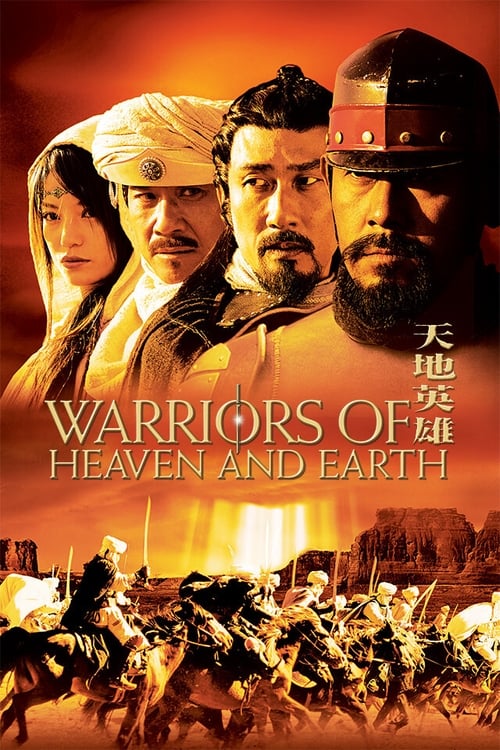
Warriors of Heaven and Earth
A Chinese emissary is sent to the Gobi desert to execute a renegade soldier. When a caravan transporting a Buddhist monk and a valuable treasure is threatened by thieves, however, the two warriors might unite to protect the travelers.
The film underperformed commercially against its tight budget of $10.0M, earning $6.1M globally (-39% loss). While initial box office returns were modest, the film has gained appreciation for its compelling narrative within the drama genre.
8 wins & 13 nominations


Plot Structure
Story beats plotted across runtime


Narrative Arc
Emotional journey through the story's key moments
Story Circle
Blueprint 15-beat structure
Arcplot Score Breakdown
Weighted: Precision (70%) + Arc (15%) + Theme (15%)
Warriors of Heaven and Earth (2003) reveals meticulously timed narrative architecture, characteristic of He Ping's storytelling approach. This structural analysis examines how the film's 15-point plot structure maps to proven narrative frameworks across 1 hour and 54 minutes. With an Arcplot score of 7.6, the film showcases strong structural fundamentals.
Structural Analysis
The Status Quo at 1 minutes (1% through the runtime) establishes Lt. Li leads his band of exiled soldiers protecting caravans on the Silk Road, living as outcasts in the desert after refusing to execute Turkic prisoners three years ago.. Structural examination shows that this early placement immediately immerses viewers in the story world.
The inciting incident occurs at 14 minutes when Lai Xi arrives at the desert outpost and announces his mission: he has been ordered to execute Lt. Li for his disobedience. The confrontation between duty and honor begins.. At 12% through the film, this Disruption aligns precisely with traditional story structure. This beat shifts the emotional landscape, launching the protagonist into the central conflict.
The First Threshold at 29 minutes marks the transition into Act II, occurring at 25% of the runtime. This indicates the protagonist's commitment to Li and Lai Xi make an active choice to join forces and protect the Buddhist caravan from the approaching Turkic army led by Master Khan, putting aside their personal conflict for a greater cause., moving from reaction to action.
At 57 minutes, the Midpoint arrives at 50% of the runtime—precisely centered, creating perfect narrative symmetry. Structural examination shows that this crucial beat False defeat: Master Khan's forces surround the caravan in a massive ambush. Several of Li's loyal warriors are killed. The mission seems doomed, and the stakes escalate - they realize they may all die here., fundamentally raising what's at risk. The emotional intensity shifts, dividing the narrative into clear before-and-after phases.
The Collapse moment at 86 minutes (75% through) represents the emotional nadir. Here, Li's closest companions are killed in a devastating attack. The caravan is nearly destroyed. Li faces the death of his makeshift family - the men who followed him into exile. The whiff of death is literal and profound., demonstrates the protagonist at their lowest point. This beat's placement in the final quarter sets up the climactic reversal.
The Second Threshold at 91 minutes initiates the final act resolution at 80% of the runtime. Li and Lai Xi reach synthesis: they understand that redemption comes not from following orders or fleeing them, but from choosing what to protect. They devise a final desperate plan to ensure the caravan reaches safety., demonstrating the transformation achieved throughout the journey.
Emotional Journey
Warriors of Heaven and Earth's emotional architecture traces a deliberate progression across 15 carefully calibrated beats.
Narrative Framework
This structural analysis employs a 15-point narrative structure framework that maps key story moments. By mapping Warriors of Heaven and Earth against these established plot points, we can identify how He Ping utilizes or subverts traditional narrative conventions. The plot point approach reveals not only adherence to structural principles but also creative choices that distinguish Warriors of Heaven and Earth within the drama genre.
Comparative Analysis
Additional drama films include After Thomas, South Pacific and Dirty Dancing: Havana Nights.
Plot Points by Act
Act I
SetupStatus Quo
Lt. Li leads his band of exiled soldiers protecting caravans on the Silk Road, living as outcasts in the desert after refusing to execute Turkic prisoners three years ago.
Theme
A monk states: "Between heaven and earth, all men can find redemption." The theme of redemption through sacrifice and duty versus conscience is established.
Worldbuilding
Establishes the harsh desert world, Li's loyal band of warriors, the political tension between Tang China and Turkic tribes, and introduces Lai Xi, the skilled emissary sent by the Emperor to kill Li.
Disruption
Lai Xi arrives at the desert outpost and announces his mission: he has been ordered to execute Lt. Li for his disobedience. The confrontation between duty and honor begins.
Resistance
Li and Lai Xi engage in cat-and-mouse encounters. A Buddhist caravan arrives carrying sacred texts to the west. Lai Xi debates his duty while Li grapples with whether to fight or flee. The threat of Turkic raiders increases.
Act II
ConfrontationFirst Threshold
Li and Lai Xi make an active choice to join forces and protect the Buddhist caravan from the approaching Turkic army led by Master Khan, putting aside their personal conflict for a greater cause.
Mirror World
Introduction of Wen Zhu, a young woman traveling with the caravan, who represents innocence and faith. Her presence embodies the thematic question of what is worth protecting and dying for.
Premise
The promise of the premise: epic desert battles, the uneasy alliance between Li and Lai Xi tested in combat, spectacular swordplay and martial arts, defending the caravan through treacherous terrain and ambushes.
Midpoint
False defeat: Master Khan's forces surround the caravan in a massive ambush. Several of Li's loyal warriors are killed. The mission seems doomed, and the stakes escalate - they realize they may all die here.
Opposition
Relentless attacks by Master Khan's army. Li and Lai Xi's warriors fall one by one. Internal conflicts resurface as resources dwindle. The caravan must cross deadly terrain while under constant assault. Trust between Li and Lai Xi deepens but the cost grows.
Collapse
Li's closest companions are killed in a devastating attack. The caravan is nearly destroyed. Li faces the death of his makeshift family - the men who followed him into exile. The whiff of death is literal and profound.
Crisis
Li mourns his fallen brothers and questions whether anything - honor, duty, sacred texts - is worth this suffering. Lai Xi reveals his own crisis of conscience about his orders. Both men face their darkest moment.
Act III
ResolutionSecond Threshold
Li and Lai Xi reach synthesis: they understand that redemption comes not from following orders or fleeing them, but from choosing what to protect. They devise a final desperate plan to ensure the caravan reaches safety.
Synthesis
The final battle: Li and Lai Xi make their stand against Master Khan. Epic combat sequences as they sacrifice themselves to ensure the sacred texts and survivors reach safety. Both warriors achieve redemption through their choice.
Transformation
The caravan reaches safety. Wen Zhu and the monks continue their journey west with the sacred texts. The image mirrors the opening desert, but now speaks of sacrifice and redemption - heaven and earth have witnessed these warriors' transformation.