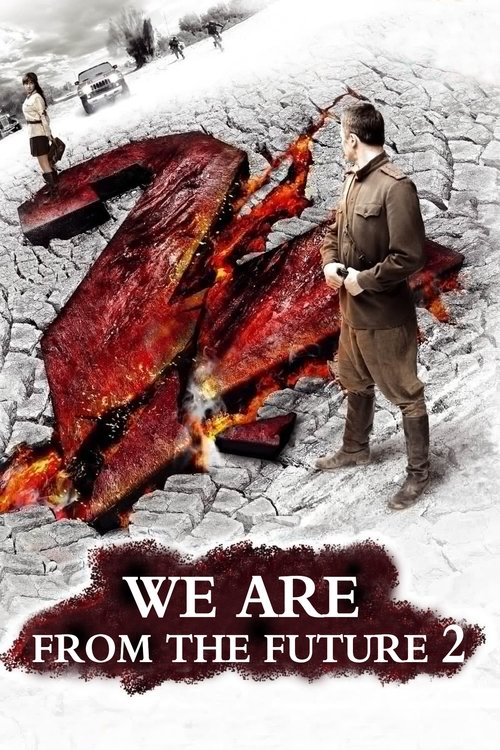
We Are from the Future 2
Two young Russian historians are going to Ukraine to take part in the reconstruction of the Lvov-Sandomierz operation in July 1944. On sight they fall into conflict with Ukrainian nationalists, and some magical twist of fate, move into the middle of real warfare from more than 60 years. Miraculously avoiding death at the hands of Ukrainian nationalists, caught in the middle of fighting between the Red Army and the Nazis.
The film earned $8.9M at the global box office.
Plot Structure
Story beats plotted across runtime


Narrative Arc
Emotional journey through the story's key moments
Story Circle
Blueprint 15-beat structure
Arcplot Score Breakdown
Weighted: Precision (70%) + Arc (15%) + Theme (15%)
We Are from the Future 2 (2010) showcases meticulously timed narrative design, characteristic of Dmitri Voronkov's storytelling approach. This structural analysis examines how the film's 12-point plot structure maps to proven narrative frameworks across 1 hour and 41 minutes. With an Arcplot score of 6.5, the film balances conventional beats with creative variation.
Structural Analysis
The Status Quo at 1 minutes (1% through the runtime) establishes Modern-day treasure hunters searching for WWII relics near a lake, establishing their mercenary attitudes and disrespect for history.. Significantly, this early placement immediately immerses viewers in the story world.
The inciting incident occurs at 12 minutes when The group discovers a mysterious artifact or enters a strange phenomenon near the lake that will transport them back to WWII.. At 12% through the film, this Disruption aligns precisely with traditional story structure. This beat shifts the emotional landscape, launching the protagonist into the central conflict.
The First Threshold at 25 minutes marks the transition into Act II, occurring at 25% of the runtime. This demonstrates the protagonist's commitment to The protagonists make the choice to join Soviet partisans fighting against Nazi forces, committing to engage with the war rather than hide., moving from reaction to action.
At 50 minutes, the Midpoint arrives at 50% of the runtime—precisely centered, creating perfect narrative symmetry. Significantly, this crucial beat A major battle or mission goes wrong, resulting in casualties among their partisan allies. The protagonists realize they can't treat this as a game or adventure., fundamentally raising what's at risk. The emotional intensity shifts, dividing the narrative into clear before-and-after phases.
The Collapse moment at 75 minutes (75% through) represents the emotional nadir. Here, A beloved partisan ally is killed, or the group is captured/surrounded. The protagonists face the genuine possibility of death with no escape back to their time., shows the protagonist at their lowest point. This beat's placement in the final quarter sets up the climactic reversal.
The Synthesis at 81 minutes initiates the final act resolution at 80% of the runtime. The final battle or mission where the protagonists fight with full commitment, successfully completing a crucial objective that helps the partisan cause., demonstrating the transformation achieved throughout the journey.
Emotional Journey
We Are from the Future 2's emotional architecture traces a deliberate progression across 12 carefully calibrated beats.
Narrative Framework
This structural analysis employs a 15-point narrative structure framework that maps key story moments. By mapping We Are from the Future 2 against these established plot points, we can identify how Dmitri Voronkov utilizes or subverts traditional narrative conventions. The plot point approach reveals not only adherence to structural principles but also creative choices that distinguish We Are from the Future 2 within the war genre.
Comparative Analysis
Additional war films include The Ministry of Ungentlemanly Warfare, Fury and Sarah's Key.
Plot Points by Act
Act I
SetupStatus Quo
Modern-day treasure hunters searching for WWII relics near a lake, establishing their mercenary attitudes and disrespect for history.
Theme
A character mentions that some sacrifices from the past should never be forgotten, hinting at the film's exploration of duty and honor across time.
Worldbuilding
Introduction of the main characters as treasure hunters, their methods, relationships, and the modern Russian setting. Establishes their cynical worldview and lack of connection to wartime history.
Disruption
The group discovers a mysterious artifact or enters a strange phenomenon near the lake that will transport them back to WWII.
Resistance
Confusion and initial resistance as the characters realize they've been transported to 1942. They debate whether to try to return immediately or survive in this timeline.
Act II
ConfrontationFirst Threshold
The protagonists make the choice to join Soviet partisans fighting against Nazi forces, committing to engage with the war rather than hide.
Premise
The "fish out of water" experience as modern people navigate WWII, participating in partisan operations, learning combat skills, and beginning to understand the stakes of the war.
Midpoint
A major battle or mission goes wrong, resulting in casualties among their partisan allies. The protagonists realize they can't treat this as a game or adventure.
Opposition
Nazi forces close in, the partisan group faces betrayal or tactical setbacks, and the protagonists' modern knowledge proves insufficient against the brutal reality of war.
Collapse
A beloved partisan ally is killed, or the group is captured/surrounded. The protagonists face the genuine possibility of death with no escape back to their time.
Crisis
The darkest hour where characters confront their transformation, accepting they may die here and grappling with what their lives have meant.
Act III
ResolutionSynthesis
The final battle or mission where the protagonists fight with full commitment, successfully completing a crucial objective that helps the partisan cause.