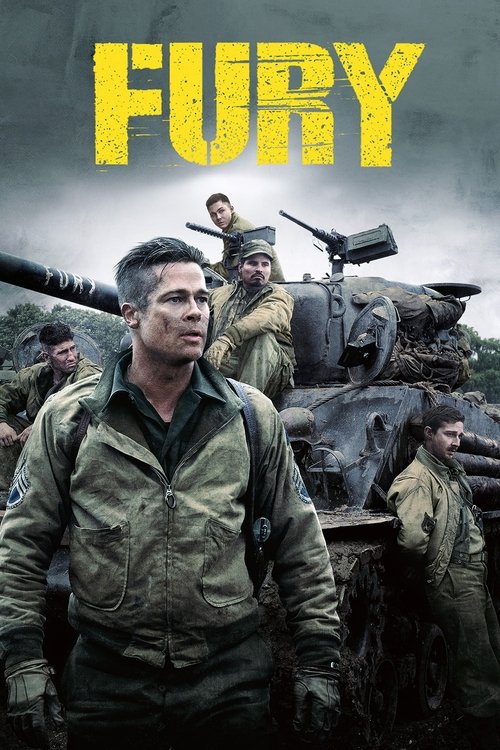
Fury
April, 1945. As the Allies make their final push in the European Theatre, a battle-hardened army sergeant named Wardaddy commands a Sherman tank and her five-man crew on a deadly mission behind enemy lines. Outnumbered and outgunned, and with a rookie soldier thrust into their platoon, Wardaddy and his men face overwhelming odds in their heroic attempts to strike at the heart of Nazi Germany.
Despite a moderate budget of $68.0M, Fury became a financial success, earning $211.8M worldwide—a 211% return.
6 wins & 23 nominations


Plot Structure
Story beats plotted across runtime


Narrative Arc
Emotional journey through the story's key moments
Story Circle
Blueprint 15-beat structure
Arcplot Score Breakdown
Weighted: Precision (70%) + Arc (15%) + Theme (15%)
Fury (2014) reveals strategically placed story structure, characteristic of David Ayer's storytelling approach. This structural analysis examines how the film's 15-point plot structure maps to proven narrative frameworks across 2 hours and 15 minutes. With an Arcplot score of 6.6, the film balances conventional beats with creative variation.
Characters
Cast & narrative archetypes

Don "Wardaddy" Collier
Norman Ellison
Boyd "Bible" Swan
Trini "Gordo" Garcia
Grady "Coon-Ass" Travis
Main Cast & Characters
Don "Wardaddy" Collier
Played by Brad Pitt
Battle-hardened tank commander leading his crew through the final days of WWII. A pragmatic leader who's seen too much war but remains committed to his mission and men.
Norman Ellison
Played by Logan Lerman
Young, inexperienced clerk typist thrust into combat as a tank gunner. Undergoes brutal transformation from idealistic soldier to hardened warrior.
Boyd "Bible" Swan
Played by Shia LaBeouf
The tank's gunner and spiritual anchor of the crew. A devout Christian who finds ways to maintain faith amid the horrors of war.
Trini "Gordo" Garcia
Played by Michael Peña
The tank's driver and a loyal member of Wardaddy's crew. Experienced soldier who provides stability and brotherly support to the team.
Grady "Coon-Ass" Travis
Played by Jon Bernthal
The tank's crude, aggressive loader with a violent streak. Represents the darkest aspects of war's dehumanizing effects.
Structural Analysis
The Status Quo at 1 minutes (1% through the runtime) establishes Don "Wardaddy" Collier kills a German officer on horseback in the mud, establishing the brutal reality of April 1945 Germany. His tank crew has survived together, hardened by war.. Notably, this early placement immediately immerses viewers in the story world.
The inciting incident occurs at 17 minutes when Norman freezes during combat, failing to shoot a Hitler Youth soldier, who then kills an American tank commander (Red). The crew blames Norman for Red's death, creating immediate consequences for his inexperience.. At 12% through the film, this Disruption aligns precisely with traditional story structure. This beat shifts the emotional landscape, launching the protagonist into the central conflict.
The First Threshold at 35 minutes marks the transition into Act II, occurring at 26% of the runtime. This shows the protagonist's commitment to Norman makes his first kill in combat, shooting German soldiers during a battle. He crosses the line from innocent clerk to killer, actively choosing to fight rather than freeze. He is now part of the crew., moving from reaction to action.
At 68 minutes, the Midpoint arrives at 50% of the runtime—precisely centered, creating perfect narrative symmetry. Structural examination shows that this crucial beat During the apartment scene's conclusion, German artillery destroys the building, killing Emma and Irma. The brief hope of humanity is shattered. Norman is devastated, realizing there is no sanctuary from war's destruction., fundamentally raising what's at risk. The emotional intensity shifts, dividing the narrative into clear before-and-after phases.
The Collapse moment at 102 minutes (75% through) represents the emotional nadir. Here, The Fury tank hits a landmine, becoming immobilized at a strategic crossroads. The crew discovers a 300-strong SS battalion approaching. They are alone, crippled, and facing certain death. Wardaddy decides to make a stand rather than flee., demonstrates the protagonist at their lowest point. This beat's placement in the final quarter sets up the climactic reversal.
The Second Threshold at 109 minutes initiates the final act resolution at 81% of the runtime. Norman, offered escape by Wardaddy, chooses to stay with his crew. The clerk who couldn't kill now refuses to abandon his brothers. He has fully transformed, embracing both the mission and his found family., demonstrating the transformation achieved throughout the journey.
Emotional Journey
Fury's emotional architecture traces a deliberate progression across 15 carefully calibrated beats.
Narrative Framework
This structural analysis employs a 15-point narrative structure framework that maps key story moments. By mapping Fury against these established plot points, we can identify how David Ayer utilizes or subverts traditional narrative conventions. The plot point approach reveals not only adherence to structural principles but also creative choices that distinguish Fury within the war genre.
David Ayer's Structural Approach
Among the 7 David Ayer films analyzed on Arcplot, the average structural score is 6.9, demonstrating varied approaches to story architecture. Fury takes a more unconventional approach compared to the director's typical style. For comparative analysis, explore the complete David Ayer filmography.
Comparative Analysis
Additional war films include Shenandoah, More American Graffiti and Joyeux Noel. For more David Ayer analyses, see Street Kings, Sabotage and End of Watch.
Plot Points by Act
Act I
SetupStatus Quo
Don "Wardaddy" Collier kills a German officer on horseback in the mud, establishing the brutal reality of April 1945 Germany. His tank crew has survived together, hardened by war.
Theme
Wardaddy tells the inexperienced Norman, "Ideals are peaceful. History is violent." This encapsulates the film's exploration of how war destroys innocence and forces moral compromise.
Worldbuilding
Norman Ellison, a clerk typist, is assigned as replacement bow gunner on the Sherman tank "Fury." The crew (Bible, Gordo, Travis) resents him. We see the tank's cramped conditions, the crew's dark humor, and their contempt for the "weak" replacement.
Disruption
Norman freezes during combat, failing to shoot a Hitler Youth soldier, who then kills an American tank commander (Red). The crew blames Norman for Red's death, creating immediate consequences for his inexperience.
Resistance
Wardaddy brutally forces Norman to face the reality of war, making him shoot a surrendering German soldier and clean the tank of human remains. Norman resists but begins to understand survival requires losing his innocence.
Act II
ConfrontationFirst Threshold
Norman makes his first kill in combat, shooting German soldiers during a battle. He crosses the line from innocent clerk to killer, actively choosing to fight rather than freeze. He is now part of the crew.
Mirror World
In a captured German town, Wardaddy takes Norman to a civilian apartment where they meet Emma and Irma. This brief moment of humanity and tenderness contrasts the brutality outside, showing what war destroys and what they're fighting for.
Premise
The Fury crew fights through Germany, engaging in tank battles and infantry combat. Norman becomes competent and brutal. The crew bonds. They face Tiger tanks and SS soldiers, experiencing both victories and losses as they push deeper into enemy territory.
Midpoint
During the apartment scene's conclusion, German artillery destroys the building, killing Emma and Irma. The brief hope of humanity is shattered. Norman is devastated, realizing there is no sanctuary from war's destruction.
Opposition
The crew faces increasingly desperate German forces. They encounter fanatical Hitler Youth and SS soldiers. During a battle at a crossroads, American forces suffer heavy casualties. The crew witnesses hanging of German civilians and escalating atrocities on both sides.
Collapse
The Fury tank hits a landmine, becoming immobilized at a strategic crossroads. The crew discovers a 300-strong SS battalion approaching. They are alone, crippled, and facing certain death. Wardaddy decides to make a stand rather than flee.
Crisis
The crew debates abandoning the tank. Wardaddy gives them the choice to leave. Each man chooses to stay and fight, accepting their likely death. They prepare the disabled tank for a last stand, knowing they won't survive.
Act III
ResolutionSecond Threshold
Norman, offered escape by Wardaddy, chooses to stay with his crew. The clerk who couldn't kill now refuses to abandon his brothers. He has fully transformed, embracing both the mission and his found family.
Synthesis
The crew fights the SS battalion from inside the immobilized Fury. They kill dozens of enemy soldiers in a desperate, close-quarters battle. One by one, the crew is killed: Travis, Gordo, Bible, and finally Wardaddy, who hides Norman in the floor escape hatch before dying.
Transformation
Norman hides beneath the tank as German SS soldiers search the wreckage. A young German soldier sees him but spares his life, walking away. American forces arrive at dawn and rescue Norman, who emerges transformed from innocent boy to hardened survivor.