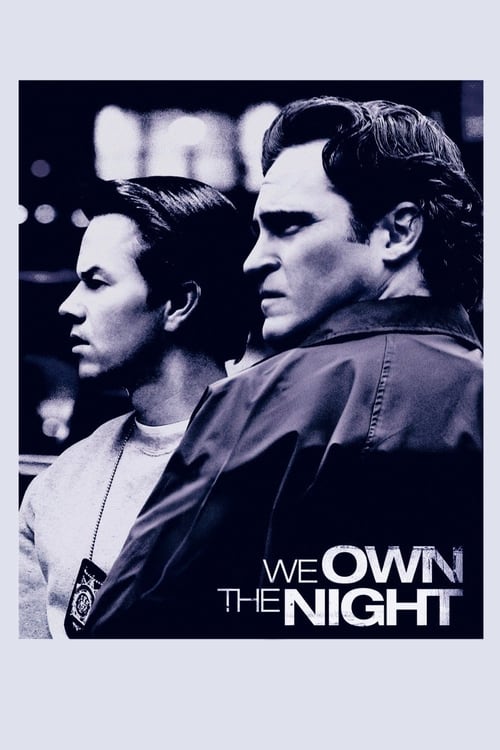
We Own the Night
A New York nightclub manager tries to save his brother and father from Russian mafia hitmen.
Despite a moderate budget of $21.0M, We Own the Night became a financial success, earning $55.0M worldwide—a 162% return.
1 win & 5 nominations


Plot Structure
Story beats plotted across runtime


Narrative Arc
Emotional journey through the story's key moments
Story Circle
Blueprint 15-beat structure
Arcplot Score Breakdown
Weighted: Precision (70%) + Arc (15%) + Theme (15%)
We Own the Night (2007) showcases meticulously timed plot construction, characteristic of James Gray's storytelling approach. This structural analysis examines how the film's 15-point plot structure maps to proven narrative frameworks across 1 hour and 58 minutes. With an Arcplot score of 7.7, the film showcases strong structural fundamentals.
Structural Analysis
The Status Quo at 2 minutes (2% through the runtime) establishes Bobby Green runs El Caribe nightclub in Brooklyn, 1988. He's living the high life with girlfriend Amada, managing the club for Russian mobster Marat, completely separate from his police family. Opening establishes his world of excess, drugs, and glamour.. Notably, this early placement immediately immerses viewers in the story world.
The inciting incident occurs at 15 minutes when Joe and the narcotics unit raid El Caribe nightclub during a bust. Bobby's two worlds collide violently. He's humiliated in front of his boss and the Russian mob sees his family connection to police. His comfortable separation of identities is shattered.. At 13% through the film, this Disruption is delayed, allowing extended setup of the story world. This beat shifts the emotional landscape, launching the protagonist into the central conflict.
The First Threshold at 32 minutes marks the transition into Act II, occurring at 27% of the runtime. This reveals the protagonist's commitment to Joe is shot in the neck during a drug surveillance operation. The attack is brutal and nearly fatal. Bobby rushes to the hospital and sees his brother fighting for life. This personal tragedy forces Bobby to make a choice - he can no longer remain neutral., moving from reaction to action.
At 60 minutes, the Midpoint arrives at 50% of the runtime—precisely centered, creating perfect narrative symmetry. Significantly, this crucial beat Bobby successfully helps set up a major drug bust. False victory - it appears he can have both worlds, be a good cop while maintaining his relationship with Amada. Joe recovers and returns to duty. The Grusinsky men are united. But the stakes are about to raise dramatically., fundamentally raising what's at risk. The emotional intensity shifts, dividing the narrative into clear before-and-after phases.
The Collapse moment at 87 minutes (74% through) represents the emotional nadir. Here, Chief Bert Grusinsky is assassinated by the Russians in a car ambush. Bobby's father is killed in front of him. This is the literal death - the whiff of death made real. Bobby's worst fear about choosing family over his old life is realized. Everything has been lost., shows the protagonist at their lowest point. This beat's placement in the final quarter sets up the climactic reversal.
The Second Threshold at 94 minutes initiates the final act resolution at 79% of the runtime. Bobby and Joe get intelligence on Vadim's location. New information provides the opportunity for justice. Bobby synthesizes his old knowledge of the Russian organization with his new police skills. The brothers unite for the final confrontation, accepting their destiny as Grusinskys., demonstrating the transformation achieved throughout the journey.
Emotional Journey
We Own the Night's emotional architecture traces a deliberate progression across 15 carefully calibrated beats.
Narrative Framework
This structural analysis employs proven narrative structure principles that track dramatic progression. By mapping We Own the Night against these established plot points, we can identify how James Gray utilizes or subverts traditional narrative conventions. The plot point approach reveals not only adherence to structural principles but also creative choices that distinguish We Own the Night within the drama genre.
James Gray's Structural Approach
Among the 5 James Gray films analyzed on Arcplot, the average structural score is 7.1, reflecting strong command of classical structure. We Own the Night represents one of the director's most structurally precise works. For comparative analysis, explore the complete James Gray filmography.
Comparative Analysis
Additional drama films include After Thomas, South Pacific and Dirty Dancing: Havana Nights. For more James Gray analyses, see Armageddon Time, Ad Astra and The Immigrant.
Plot Points by Act
Act I
SetupStatus Quo
Bobby Green runs El Caribe nightclub in Brooklyn, 1988. He's living the high life with girlfriend Amada, managing the club for Russian mobster Marat, completely separate from his police family. Opening establishes his world of excess, drugs, and glamour.
Theme
At family dinner, Bobby's father Chief Grusinsky states: "You can't run from who you are." Bobby insists he's not a Grusinsky, he's a Green (his mother's name), rejecting his family legacy. The theme of identity and family loyalty is established.
Worldbuilding
Introduction to Bobby's dual worlds: his thriving nightclub business with Russian connections, and his estranged police family. His brother Joe is in narcotics, father is Deputy Chief. Bobby refuses to help police investigation into drug trafficking at his club, protecting his lifestyle and employer Marat.
Disruption
Joe and the narcotics unit raid El Caribe nightclub during a bust. Bobby's two worlds collide violently. He's humiliated in front of his boss and the Russian mob sees his family connection to police. His comfortable separation of identities is shattered.
Resistance
Bobby resists choosing sides. He's angry at Joe for the raid. His father tries to convince him to help the investigation. Marat and the Russians become suspicious of Bobby. Tension builds as drug lord Vadim becomes the main target. Bobby debates whether to cooperate with police or remain loyal to his employers.
Act II
ConfrontationFirst Threshold
Joe is shot in the neck during a drug surveillance operation. The attack is brutal and nearly fatal. Bobby rushes to the hospital and sees his brother fighting for life. This personal tragedy forces Bobby to make a choice - he can no longer remain neutral.
Mirror World
Bobby commits to helping his family. His relationship with Amada represents the mirror world - she knows both sides of him and represents what he must sacrifice. She questions whether he's becoming his father, embodying the thematic tension between identity and destiny.
Premise
Bobby becomes a police informant and then joins the NYPD as a narc. He enters the world he always rejected - becoming a cop like his father and brother. Training montage, learning the job, working undercover operations. The promise of the premise: Bobby as cop trying to take down the Russians he once worked for.
Midpoint
Bobby successfully helps set up a major drug bust. False victory - it appears he can have both worlds, be a good cop while maintaining his relationship with Amada. Joe recovers and returns to duty. The Grusinsky men are united. But the stakes are about to raise dramatically.
Opposition
Vadim and the Russians realize Bobby betrayed them. They intensify their hunt for the Grusinsky family. Amada is caught in the middle and fears for her life. Multiple attempts on police operations. Bobby's father pushes for aggressive tactics. The danger escalates on all fronts - professional and personal.
Collapse
Chief Bert Grusinsky is assassinated by the Russians in a car ambush. Bobby's father is killed in front of him. This is the literal death - the whiff of death made real. Bobby's worst fear about choosing family over his old life is realized. Everything has been lost.
Crisis
Bobby and Joe mourn their father. The brothers process the loss together. Bobby confronts the full weight of his transformation - he is now fully a Grusinsky, a cop, someone who has lost everything from his old life including Amada who leaves him. Dark night of grief and guilt.
Act III
ResolutionSecond Threshold
Bobby and Joe get intelligence on Vadim's location. New information provides the opportunity for justice. Bobby synthesizes his old knowledge of the Russian organization with his new police skills. The brothers unite for the final confrontation, accepting their destiny as Grusinskys.
Synthesis
Finale sequence: Bobby and Joe lead the operation to capture Vadim. Tense pursuit through marshland and industrial areas. Bobby uses his street knowledge and police training. Final confrontation where Bobby kills Vadim. The brothers execute the mission that completes Bobby's transformation and avenges their father.
Transformation
Bobby stands in his father's office at the precinct, now fully embraced as a Grusinsky and a cop. The closing image mirrors the opening - but instead of the nightclub owner living for himself, Bobby is now the family man, the police officer, having accepted his identity and heritage. The transformation is complete but bittersweet.