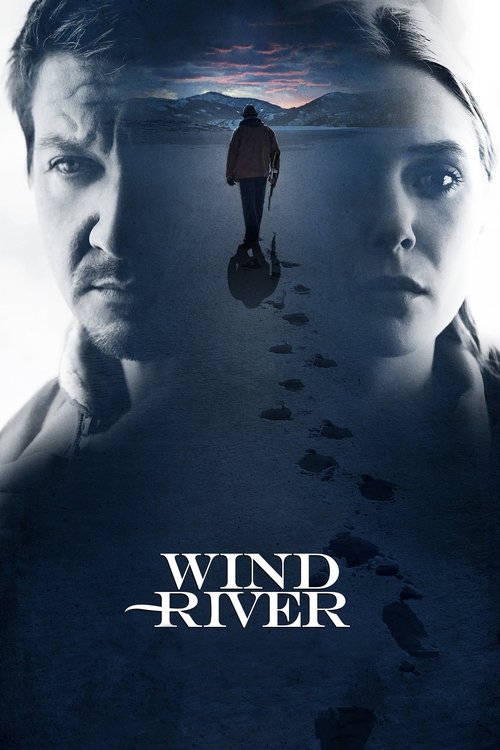
Wind River
An FBI agent teams with the town's veteran game tracker to investigate a murder that occurred on a Native American reservation.
Despite its limited budget of $11.0M, Wind River became a commercial success, earning $45.0M worldwide—a 309% return. The film's innovative storytelling connected with viewers, proving that strong storytelling can transcend budget limitations.
17 wins & 27 nominations


Plot Structure
Story beats plotted across runtime


Narrative Arc
Emotional journey through the story's key moments
Story Circle
Blueprint 15-beat structure
Arcplot Score Breakdown
Weighted: Precision (70%) + Arc (15%) + Theme (15%)
Wind River (2017) reveals deliberately positioned story structure, characteristic of Taylor Sheridan's storytelling approach. This structural analysis examines how the film's 15-point plot structure maps to proven narrative frameworks across 1 hour and 47 minutes. With an Arcplot score of 6.6, the film balances conventional beats with creative variation.
Structural Analysis
The Status Quo at 1 minutes (1% through the runtime) establishes Natalie Hanson runs barefoot through the frozen Wyoming wilderness at night, gasping for breath, fleeing an unseen terror. This haunting image establishes the brutal, unforgiving world where violence against Native women goes unnoticed.. Of particular interest, this early placement immediately immerses viewers in the story world.
The inciting incident occurs at 13 minutes when Cory discovers Natalie Hanson's frozen body in the snow while tracking a mountain lion. She is barefoot, miles from anywhere, with blood frozen on her face. The discovery connects to Cory's own loss—his daughter Emily was friends with Natalie.. At 12% through the film, this Disruption aligns precisely with traditional story structure. This beat shifts the emotional landscape, launching the protagonist into the central conflict.
The First Threshold at 27 minutes marks the transition into Act II, occurring at 25% of the runtime. This reveals the protagonist's commitment to Jane asks Cory to help her track the killer, and he agrees despite his emotional wounds. Cory actively chooses to partner with Jane, combining his tracking expertise with her investigation—committing to finding justice for Natalie as he couldn't for his own daughter., moving from reaction to action.
At 54 minutes, the Midpoint arrives at 50% of the runtime—precisely centered, creating perfect narrative symmetry. Structural examination shows that this crucial beat The medical examiner rules Natalie's death as exposure, not homicide, because her lungs burst from breathing frozen air while running. Without a murder ruling, the FBI cannot send backup. Jane realizes they're truly alone, and the case may be buried like countless others., fundamentally raising what's at risk. The emotional intensity shifts, dividing the narrative into clear before-and-after phases.
The Collapse moment at 80 minutes (75% through) represents the emotional nadir. Here, Jane and tribal police confront the drilling camp security team. The tense standoff erupts into a brutal shootout—multiple officers are killed, and Jane is shot and nearly strangled to death. The violence exposes how disposable Native lives are and how perpetrators operate with impunity., demonstrates the protagonist at their lowest point. This beat's placement in the final quarter sets up the climactic reversal.
The Second Threshold at 86 minutes initiates the final act resolution at 80% of the runtime. Cory arrives at the aftermath and saves Jane. With the truth revealed and the killers identified, Cory makes his choice: he will deliver frontier justice himself. He tracks the surviving perpetrator Pete into the mountains, combining his hunter's skills with his need for closure., demonstrating the transformation achieved throughout the journey.
Emotional Journey
Wind River's emotional architecture traces a deliberate progression across 15 carefully calibrated beats.
Narrative Framework
This structural analysis employs structural analysis methodology used to understand storytelling architecture. By mapping Wind River against these established plot points, we can identify how Taylor Sheridan utilizes or subverts traditional narrative conventions. The plot point approach reveals not only adherence to structural principles but also creative choices that distinguish Wind River within the crime genre.
Taylor Sheridan's Structural Approach
Among the 2 Taylor Sheridan films analyzed on Arcplot, the average structural score is 6.8, demonstrating varied approaches to story architecture. Wind River takes a more unconventional approach compared to the director's typical style. For comparative analysis, explore the complete Taylor Sheridan filmography.
Comparative Analysis
Additional crime films include The Bad Guys, Rustom and The Whole Ten Yards. For more Taylor Sheridan analyses, see Those Who Wish Me Dead.
Plot Points by Act
Act I
SetupStatus Quo
Natalie Hanson runs barefoot through the frozen Wyoming wilderness at night, gasping for breath, fleeing an unseen terror. This haunting image establishes the brutal, unforgiving world where violence against Native women goes unnoticed.
Theme
Martin Hanson tells Cory about the pain of losing a child, stating that grief never leaves you—you just learn to live with it. This establishes the film's exploration of how we survive unbearable loss and whether justice can provide closure.
Worldbuilding
The harsh world of the Wind River Reservation is established: Cory Lambert hunts predators threatening livestock, visits his Native ex-wife Wilma and son Casey, and navigates the frozen landscape. We see the poverty, isolation, and forgotten people of the reservation.
Disruption
Cory discovers Natalie Hanson's frozen body in the snow while tracking a mountain lion. She is barefoot, miles from anywhere, with blood frozen on her face. The discovery connects to Cory's own loss—his daughter Emily was friends with Natalie.
Resistance
FBI agent Jane Banner arrives from Las Vegas, completely unprepared for the brutal conditions. Tribal police chief Ben helps orient her while Cory debates involvement. Jane struggles with jurisdiction issues and lack of resources, realizing she's alone in hostile territory.
Act II
ConfrontationFirst Threshold
Jane asks Cory to help her track the killer, and he agrees despite his emotional wounds. Cory actively chooses to partner with Jane, combining his tracking expertise with her investigation—committing to finding justice for Natalie as he couldn't for his own daughter.
Mirror World
Cory visits Martin Hanson, Natalie's grieving father. Their shared bond over losing daughters creates the emotional core of the film. Martin asks Cory how he survives, and Cory's mentorship of Jane becomes his path toward healing—teaching her to survive as he learns to live again.
Premise
Cory and Jane investigate across the frozen reservation. They examine the crime scene, interview Natalie's family, and track her movements. Cory teaches Jane survival skills while sharing his painful history—his daughter Emily was murdered three years prior, and the killer was never found.
Midpoint
The medical examiner rules Natalie's death as exposure, not homicide, because her lungs burst from breathing frozen air while running. Without a murder ruling, the FBI cannot send backup. Jane realizes they're truly alone, and the case may be buried like countless others.
Opposition
Cory and Jane dig deeper despite obstacles. They find Natalie's boyfriend Matt beaten and hiding, learn about the oil drilling camp, and trace Natalie's final night. The investigation leads them toward the drilling operation security team, exposing the exploitation of reservation resources and people.
Collapse
Jane and tribal police confront the drilling camp security team. The tense standoff erupts into a brutal shootout—multiple officers are killed, and Jane is shot and nearly strangled to death. The violence exposes how disposable Native lives are and how perpetrators operate with impunity.
Crisis
In the aftermath of the massacre, Jane lies wounded in the snow. The full horror of Natalie's final night is revealed in flashback: she was gang-raped by the security team, and Matt was beaten trying to defend her. She ran into the frozen night to escape, dying alone in the wilderness.
Act III
ResolutionSecond Threshold
Cory arrives at the aftermath and saves Jane. With the truth revealed and the killers identified, Cory makes his choice: he will deliver frontier justice himself. He tracks the surviving perpetrator Pete into the mountains, combining his hunter's skills with his need for closure.
Synthesis
Cory hunts Pete through the frozen wilderness. When he captures him, Cory forces Pete to experience Natalie's death—barefoot in the snow, running until his lungs freeze. Justice is served outside the system that failed these women. Cory then visits Martin to deliver closure and share grief.
Transformation
Cory sits with Martin on his porch, two fathers united in grief. Martin has painted his face in mourning. Cory tells him he's a warrior for surviving this loss. A title card reveals that missing Native American women have no statistics kept—their disappearances go officially unrecorded.