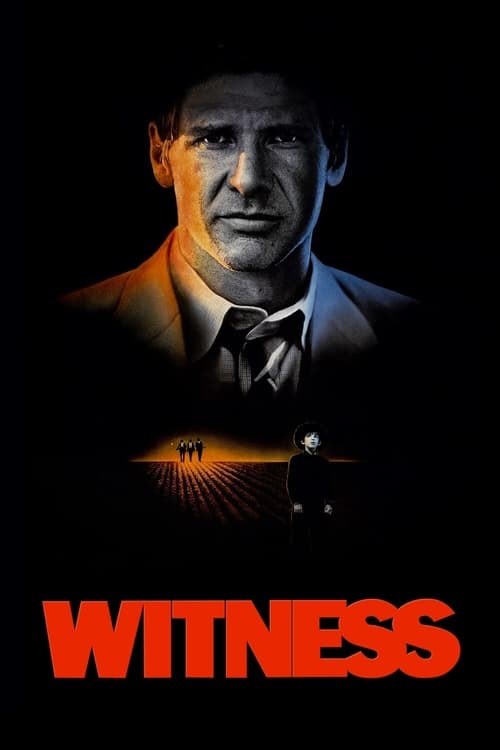
Witness
While protecting an Amish boy – the sole witness to a brutal murder – and his mother, a detective is forced to seek refuge within their community when his own life comes under threat.
Despite its tight budget of $12.0M, Witness became a box office phenomenon, earning $116.1M worldwide—a remarkable 868% return. The film's bold vision attracted moviegoers, illustrating how strong storytelling can transcend budget limitations.
2 Oscars. 13 wins & 28 nominations


Plot Structure
Story beats plotted across runtime


Narrative Arc
Emotional journey through the story's key moments
Story Circle
Blueprint 15-beat structure
Arcplot Score Breakdown
Weighted: Precision (70%) + Arc (15%) + Theme (15%)
Witness (1985) reveals deliberately positioned narrative design, characteristic of Peter Weir's storytelling approach. This structural analysis examines how the film's 15-point plot structure maps to proven narrative frameworks across 1 hour and 52 minutes. With an Arcplot score of 6.9, the film balances conventional beats with creative variation.
Structural Analysis
The Status Quo at 1 minutes (1% through the runtime) establishes The Amish community gathers for Jacob Lapp's funeral. Wheat fields sway as horse-drawn buggies arrive, establishing a world of simplicity, tradition, and peace untouched by modernity.. Significantly, this early placement immediately immerses viewers in the story world.
The inciting incident occurs at 13 minutes when Samuel witnesses a brutal murder in the train station restroom. Two men kill an undercover police officer, and Samuel hides in a stall, his innocent Amish world shattered by witnessing graphic violence.. At 12% through the film, this Disruption aligns precisely with traditional story structure. This beat shifts the emotional landscape, launching the protagonist into the central conflict.
The First Threshold at 28 minutes marks the transition into Act II, occurring at 25% of the runtime. This demonstrates the protagonist's commitment to Book discovers his superior Schaeffer is involved in the corruption. After being shot in a parking garage ambush, Book makes the desperate choice to flee with Rachel and Samuel to the Amish country—entering their world to survive., moving from reaction to action.
At 56 minutes, the Midpoint arrives at 50% of the runtime—precisely centered, creating perfect narrative symmetry. Significantly, this crucial beat The barn-raising culminates in Book's full acceptance by the community. He works alongside the Amish men, building something with his hands rather than destroying. That evening, he and Rachel share a romantic dance to Sam Cooke—a false victory as their forbidden connection deepens., fundamentally raising what's at risk. The emotional intensity shifts, dividing the narrative into clear before-and-after phases.
The Collapse moment at 84 minutes (75% through) represents the emotional nadir. Here, Schaeffer and his corrupt cops arrive at the farm. Book's partner Carter is murdered—the "whiff of death" made literal. Book's violent world has followed him, threatening to destroy the peaceful community that sheltered him., indicates the protagonist at their lowest point. This beat's placement in the final quarter sets up the climactic reversal.
The Second Threshold at 90 minutes initiates the final act resolution at 80% of the runtime. Book realizes he can use the farm and his knowledge of both worlds. He sends Samuel to ring the bell, summoning the Amish community as witnesses. The synthesis: using community rather than violence as his weapon., demonstrating the transformation achieved throughout the journey.
Emotional Journey
Witness's emotional architecture traces a deliberate progression across 15 carefully calibrated beats.
Narrative Framework
This structural analysis employs structural analysis methodology used to understand storytelling architecture. By mapping Witness against these established plot points, we can identify how Peter Weir utilizes or subverts traditional narrative conventions. The plot point approach reveals not only adherence to structural principles but also creative choices that distinguish Witness within the crime genre.
Peter Weir's Structural Approach
Among the 11 Peter Weir films analyzed on Arcplot, the average structural score is 6.2, demonstrating varied approaches to story architecture. Witness represents one of the director's most structurally precise works. For comparative analysis, explore the complete Peter Weir filmography.
Comparative Analysis
Additional crime films include The Bad Guys, Rustom and The Whole Ten Yards. For more Peter Weir analyses, see Master and Commander: The Far Side of the World, Picnic at Hanging Rock and Gallipoli.
Plot Points by Act
Act I
SetupStatus Quo
The Amish community gathers for Jacob Lapp's funeral. Wheat fields sway as horse-drawn buggies arrive, establishing a world of simplicity, tradition, and peace untouched by modernity.
Theme
Eli warns Rachel about going to the city: "You be careful out among them English." The theme of two incompatible worlds—one violent, one peaceful—is established through the elder's caution.
Worldbuilding
Rachel and young Samuel leave the Amish community to visit her sister in Baltimore. Their journey introduces the contrast between Amish simplicity and the modern world, culminating in their layover at Philadelphia's 30th Street Station.
Disruption
Samuel witnesses a brutal murder in the train station restroom. Two men kill an undercover police officer, and Samuel hides in a stall, his innocent Amish world shattered by witnessing graphic violence.
Resistance
Detective John Book investigates the murder and works to identify the killers. Samuel struggles to identify the suspect from mug shots until he sees a newspaper photo of decorated officer McFee—revealing the killer is a cop.
Act II
ConfrontationFirst Threshold
Book discovers his superior Schaeffer is involved in the corruption. After being shot in a parking garage ambush, Book makes the desperate choice to flee with Rachel and Samuel to the Amish country—entering their world to survive.
Mirror World
Book awakens wounded in the Lapp farmhouse, tended by Rachel. His gun and badge hidden, he begins his immersion in Amish life. Rachel represents the B-story: a world of peace and connection that will transform him.
Premise
Book heals and integrates into Amish life—milking cows, building a barn, wearing plain clothes. The "fish out of water" premise delivers as this violent cop learns carpentry, community, and begins falling for Rachel. The iconic barn-raising sequence showcases his acceptance.
Midpoint
The barn-raising culminates in Book's full acceptance by the community. He works alongside the Amish men, building something with his hands rather than destroying. That evening, he and Rachel share a romantic dance to Sam Cooke—a false victory as their forbidden connection deepens.
Opposition
The outside world encroaches. Book violently confronts tourists harassing the Amish, blowing his cover. Schaeffer's men trace the car Book used. Rachel and Book's relationship strains against impossible cultural barriers. Eli confronts Rachel about her feelings for the "English" man.
Collapse
Schaeffer and his corrupt cops arrive at the farm. Book's partner Carter is murdered—the "whiff of death" made literal. Book's violent world has followed him, threatening to destroy the peaceful community that sheltered him.
Crisis
Book faces impossible odds—three armed killers, his gun empty, the community he's grown to love in mortal danger. He must find a way to defeat violence without becoming the very thing the Amish reject.
Act III
ResolutionSecond Threshold
Book realizes he can use the farm and his knowledge of both worlds. He sends Samuel to ring the bell, summoning the Amish community as witnesses. The synthesis: using community rather than violence as his weapon.
Synthesis
Book defeats the killers using wit and the farm itself—grain silo, resourcefulness. When Schaeffer holds Rachel hostage, the gathered Amish witnesses force him to surrender. Violence is defeated not by more violence but by the moral power of community bearing witness.
Transformation
Book, now in his city clothes, says goodbye to Rachel and Samuel. Eli offers a simple "Be careful out among them English"—echoing the opening. Book drives away, transformed by his time in their world but accepting he cannot stay. Two worlds, changed by contact but remaining apart.