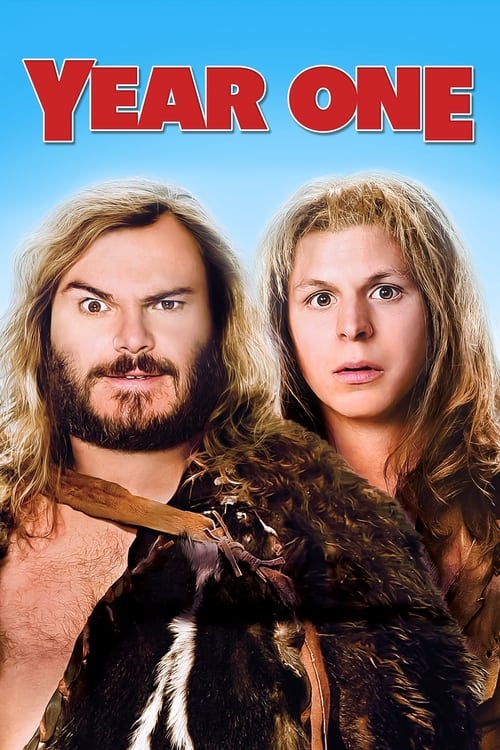
Year One
When a couple of lazy hunter-gatherers are banished from their primitive village, they set off on an epic journey through the ancient world.
Working with a respectable budget of $60.0M, the film achieved a steady performer with $62.4M in global revenue (+4% profit margin).


Plot Structure
Story beats plotted across runtime


Narrative Arc
Emotional journey through the story's key moments
Story Circle
Blueprint 15-beat structure
Arcplot Score Breakdown
Weighted: Precision (70%) + Arc (15%) + Theme (15%)
Year One (2009) exhibits strategically placed dramatic framework, characteristic of Harold Ramis's storytelling approach. This structural analysis examines how the film's 15-point plot structure maps to proven narrative frameworks across 1 hour and 37 minutes. With an Arcplot score of 7.0, the film balances conventional beats with creative variation.
Structural Analysis
The Status Quo at 1 minutes (1% through the runtime) establishes Zed, a lazy hunter, and Oh, a meek gatherer, live in their primitive village. Zed fails at hunting while Oh pines for Maya from afar, both outcasts in their own tribe.. Structural examination shows that this early placement immediately immerses viewers in the story world.
The inciting incident occurs at 12 minutes when Zed eats the forbidden fruit from the Tree of Knowledge and is subsequently banished from the village, with Oh reluctantly following him into exile after accidentally setting fire to the village.. At 12% through the film, this Disruption aligns precisely with traditional story structure. This beat shifts the emotional landscape, launching the protagonist into the central conflict.
The First Threshold at 24 minutes marks the transition into Act II, occurring at 25% of the runtime. This indicates the protagonist's commitment to Zed and Oh actively choose to follow Cain rather than return to their village, stepping into the wider Biblical world and beginning their epic journey through ancient history., moving from reaction to action.
At 49 minutes, the Midpoint arrives at 50% of the runtime—precisely centered, creating perfect narrative symmetry. The analysis reveals that this crucial beat Zed and Oh arrive at the great city of Sodom, a false victory where Zed's delusions of grandeur seem validated by the opulence around them while Maya and Eema are discovered to be slaves within the city., fundamentally raising what's at risk. The emotional intensity shifts, dividing the narrative into clear before-and-after phases.
The Collapse moment at 73 minutes (75% through) represents the emotional nadir. Here, Zed and Oh are captured and sentenced to death. Maya, Eema, and the other slaves are to be sacrificed to appease the gods. All hope seems lost as the High Priest prepares the execution., shows the protagonist at their lowest point. This beat's placement in the final quarter sets up the climactic reversal.
The Second Threshold at 78 minutes initiates the final act resolution at 80% of the runtime. Zed realizes that being the "Chosen One" means choosing to help others, not being served. He decides to sacrifice himself to save Maya and the slaves, finally understanding true courage., demonstrating the transformation achieved throughout the journey.
Emotional Journey
Year One's emotional architecture traces a deliberate progression across 15 carefully calibrated beats.
Narrative Framework
This structural analysis employs a 15-point narrative structure framework that maps key story moments. By mapping Year One against these established plot points, we can identify how Harold Ramis utilizes or subverts traditional narrative conventions. The plot point approach reveals not only adherence to structural principles but also creative choices that distinguish Year One within the comedy genre.
Harold Ramis's Structural Approach
Among the 10 Harold Ramis films analyzed on Arcplot, the average structural score is 6.9, demonstrating varied approaches to story architecture. Year One represents one of the director's most structurally precise works. For comparative analysis, explore the complete Harold Ramis filmography.
Comparative Analysis
Additional comedy films include The Bad Guys, Ella Enchanted and The Evening Star. For more Harold Ramis analyses, see The Ice Harvest, National Lampoon's Vacation and Groundhog Day.
Plot Points by Act
Act I
SetupStatus Quo
Zed, a lazy hunter, and Oh, a meek gatherer, live in their primitive village. Zed fails at hunting while Oh pines for Maya from afar, both outcasts in their own tribe.
Theme
The village shaman warns that eating from the forbidden Tree of Knowledge brings death, foreshadowing the theme: true knowledge and growth come from leaving comfort zones and facing the unknown.
Worldbuilding
The prehistoric village is established with its social hierarchy: hunters are respected, gatherers are not. Zed's unrequited pursuit of Maya, Oh's crush on Eema, and the superstitious nature of the tribe are shown.
Disruption
Zed eats the forbidden fruit from the Tree of Knowledge and is subsequently banished from the village, with Oh reluctantly following him into exile after accidentally setting fire to the village.
Resistance
Zed and Oh wander through the wilderness, encountering Cain murdering Abel. They debate whether to return home or continue forward, with Zed convincing Oh they are destined for greatness.
Act II
ConfrontationFirst Threshold
Zed and Oh actively choose to follow Cain rather than return to their village, stepping into the wider Biblical world and beginning their epic journey through ancient history.
Mirror World
The pair encounter Abraham and Isaac, introducing the subplot of faith versus reason. Abraham's willingness to sacrifice his son mirrors Zed's journey toward understanding what truly matters.
Premise
Zed and Oh travel through Biblical times, meeting Abraham and Isaac, narrowly escaping sacrifice, encountering various characters, and eventually learning that Maya and Eema have been taken as slaves to Sodom.
Midpoint
Zed and Oh arrive at the great city of Sodom, a false victory where Zed's delusions of grandeur seem validated by the opulence around them while Maya and Eema are discovered to be slaves within the city.
Opposition
In Sodom, Zed becomes entangled with the corrupt High Priest and Princess Inanna while Oh is forced to become a slave. Their attempts to rescue Maya and Eema repeatedly fail as they navigate the city's decadence and danger.
Collapse
Zed and Oh are captured and sentenced to death. Maya, Eema, and the other slaves are to be sacrificed to appease the gods. All hope seems lost as the High Priest prepares the execution.
Crisis
Facing execution, Zed must confront his own selfishness and false bravado while Oh accepts that his passivity has failed everyone. Both men face the consequences of their flaws.
Act III
ResolutionSecond Threshold
Zed realizes that being the "Chosen One" means choosing to help others, not being served. He decides to sacrifice himself to save Maya and the slaves, finally understanding true courage.
Synthesis
Zed confronts the High Priest and exposes his corruption to the people of Sodom. With Oh's help and the slaves' uprising, they defeat the villains. Fire and brimstone rain down, and they escape the doomed city.
Transformation
Zed and Oh lead the freed slaves to a new land where they'll build a new community. Zed is finally with Maya, Oh with Eema—no longer outcasts but leaders who earned respect through selfless action.