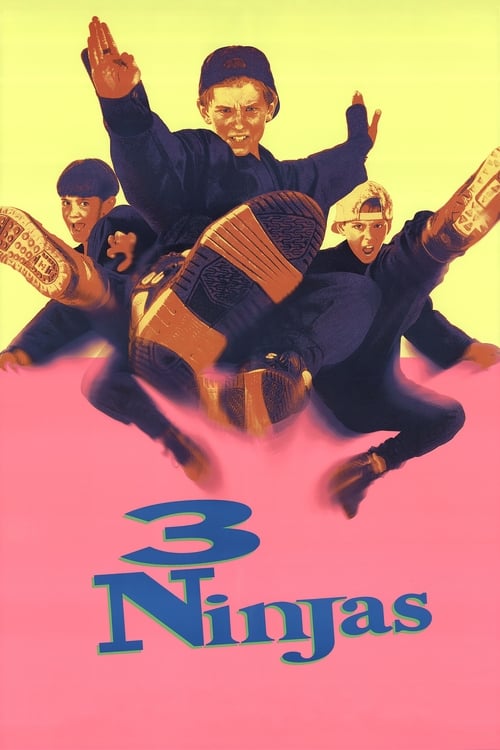
3 Ninjas
Each year, three brothers Samuel, Jeffrey and Michael Douglas visits their Japanese grandfather, Mori Shintaro whom the boys affectionately refer to as Grandpa, for the summer. Mori is a highly skilled in the fields of Martial arts and Ninjutsu, and for years he has trained the boys in his techniques. After an organized crime ring proves to be too much for the FBI, it's time for the 3 brother NINJAS! To use their martial arts skills, they team up to battle the crime ring and outwit some very persistent kidnappers!
Despite its small-scale budget of $6.5M, 3 Ninjas became a commercial success, earning $29.0M worldwide—a 346% return. The film's compelling narrative resonated with audiences, illustrating how strong storytelling can transcend budget limitations.


Plot Structure
Story beats plotted across runtime


Narrative Arc
Emotional journey through the story's key moments
Story Circle
Blueprint 15-beat structure
Arcplot Score Breakdown
Weighted: Precision (70%) + Arc (15%) + Theme (15%)
3 Ninjas (1992) exhibits meticulously timed dramatic framework, characteristic of Jon Turteltaub's storytelling approach. This structural analysis examines how the film's 15-point plot structure maps to proven narrative frameworks across 1 hour and 36 minutes. With an Arcplot score of 7.8, the film showcases strong structural fundamentals.
Characters
Cast & narrative archetypes

Rocky Douglas
Colt Douglas
Tum Tum Douglas
Grandpa Mori Tanaka
Hugo Snyder
Sam Douglas
Main Cast & Characters
Rocky Douglas
Played by Michael Treanor
The eldest Douglas brother, responsible and serious about ninja training, struggles with balancing popularity and tradition.
Colt Douglas
Played by Max Elliott Slade
The middle brother, confident and athletic, fully embraces ninja culture and serves as the energetic heart of the trio.
Tum Tum Douglas
Played by Chad Power
The youngest brother, food-loving and comedic, who uses his small size and enthusiasm to his advantage in combat.
Grandpa Mori Tanaka
Played by Victor Wong
The wise martial arts master who trains his three grandsons in ninja techniques and philosophy during summer visits.
Hugo Snyder
Played by Rand Kingsley
A ruthless arms dealer and former student of Grandpa, now turned criminal who seeks to eliminate his old master.
Sam Douglas
Played by Alan McRae
The boys' father and Mori's son, an FBI agent investigating Hugo Snyder's criminal operations.
Structural Analysis
The Status Quo at 1 minutes (1% through the runtime) establishes Three brothers - Rocky, Colt, and Tum Tum - train in martial arts with their grandfather Mori Tanaka at his secluded cabin during summer vacation, showing their ordinary life balancing being kids with ninja training.. The analysis reveals that this early placement immediately immerses viewers in the story world.
The inciting incident occurs at 12 minutes when Hugo Snyder discovers that Sam Douglas is the FBI agent blocking his arms deals. Snyder, who has history with Grandpa Mori (his former student turned criminal), decides to kidnap the boys to use as leverage against both their father and grandfather.. At 13% through the film, this Disruption is delayed, allowing extended setup of the story world. This beat shifts the emotional landscape, launching the protagonist into the central conflict.
The First Threshold at 24 minutes marks the transition into Act II, occurring at 25% of the runtime. This illustrates the protagonist's commitment to Snyder's men attempt the first kidnapping at the boys' home while their parents are away. The boys actively choose to use their ninja training to defend themselves rather than hide or call for help, entering the world of real danger., moving from reaction to action.
At 49 minutes, the Midpoint arrives at 51% of the runtime—precisely centered, creating perfect narrative symmetry. Of particular interest, this crucial beat False defeat: Snyder's men finally succeed in kidnapping the boys by exploiting their overconfidence. The stakes raise dramatically as the boys are taken to Snyder's compound, and both their father and grandfather realize the danger is real., fundamentally raising what's at risk. The emotional intensity shifts, dividing the narrative into clear before-and-after phases.
The Collapse moment at 72 minutes (75% through) represents the emotional nadir. Here, The boys' escape attempt fails and they are separated into different rooms. Their unity broken, each boy faces his fears alone. Grandpa Mori is captured trying to rescue them. All seems lost with both the boys and their grandfather now prisoners., reveals the protagonist at their lowest point. This beat's placement in the final quarter sets up the climactic reversal.
The Second Threshold at 77 minutes initiates the final act resolution at 80% of the runtime. The boys manage to communicate between rooms and reconcile, recommitting to work as a team. They devise a coordinated escape plan combining their individual strengths into unified action. Their father arrives with FBI backup, and family unity becomes complete., demonstrating the transformation achieved throughout the journey.
Emotional Journey
3 Ninjas's emotional architecture traces a deliberate progression across 15 carefully calibrated beats.
Narrative Framework
This structural analysis employs proven narrative structure principles that track dramatic progression. By mapping 3 Ninjas against these established plot points, we can identify how Jon Turteltaub utilizes or subverts traditional narrative conventions. The plot point approach reveals not only adherence to structural principles but also creative choices that distinguish 3 Ninjas within the family genre.
Jon Turteltaub's Structural Approach
Among the 9 Jon Turteltaub films analyzed on Arcplot, the average structural score is 7.1, reflecting strong command of classical structure. 3 Ninjas represents one of the director's most structurally precise works. For comparative analysis, explore the complete Jon Turteltaub filmography.
Comparative Analysis
Additional family films include The Black Stallion, The Bad Guys and Ella Enchanted. For more Jon Turteltaub analyses, see The Meg, National Treasure and Cool Runnings.
Plot Points by Act
Act I
SetupStatus Quo
Three brothers - Rocky, Colt, and Tum Tum - train in martial arts with their grandfather Mori Tanaka at his secluded cabin during summer vacation, showing their ordinary life balancing being kids with ninja training.
Theme
Grandpa Mori teaches the boys that true ninja strength comes from within and from family unity: "You must learn to work together as one." The theme of teamwork and family bonds over individual glory is established.
Worldbuilding
Setup of the boys' dual lives: training with Grandpa, their strained relationship with their FBI agent father Sam who doesn't respect martial arts, their suburban home life, and introduction of Hugo Snyder, the arms dealer their father is investigating.
Disruption
Hugo Snyder discovers that Sam Douglas is the FBI agent blocking his arms deals. Snyder, who has history with Grandpa Mori (his former student turned criminal), decides to kidnap the boys to use as leverage against both their father and grandfather.
Resistance
The boys return to normal suburban life - school, bullies, and typical kid problems. Their father remains skeptical of martial arts while working the Snyder case. Snyder's bumbling henchmen begin surveillance, and the boys remain unaware of the growing danger.
Act II
ConfrontationFirst Threshold
Snyder's men attempt the first kidnapping at the boys' home while their parents are away. The boys actively choose to use their ninja training to defend themselves rather than hide or call for help, entering the world of real danger.
Mirror World
The relationship between the boys and Grandpa Mori deepens as they realize his teachings weren't just games. Their bond as brothers is tested and strengthened, representing the thematic heart: family unity is their true power.
Premise
The fun and games of kids using ninja skills against bumbling criminals. Multiple attempts to capture the boys fail comically as they use creative traps, martial arts, and teamwork. The boys enjoy outsmarting the bad guys while bonding as a team.
Midpoint
False defeat: Snyder's men finally succeed in kidnapping the boys by exploiting their overconfidence. The stakes raise dramatically as the boys are taken to Snyder's compound, and both their father and grandfather realize the danger is real.
Opposition
The boys are held captive at Snyder's compound. Their earlier cockiness fades as danger intensifies. Meanwhile, Sam and Grandpa Mori must overcome their differences to mount a rescue. The brothers begin to fracture under pressure, arguing about their situation.
Collapse
The boys' escape attempt fails and they are separated into different rooms. Their unity broken, each boy faces his fears alone. Grandpa Mori is captured trying to rescue them. All seems lost with both the boys and their grandfather now prisoners.
Crisis
The boys sit in darkness, separated and defeated. Each reflects on Grandpa's lessons about working together. They realize their mistake was trying to be individual heroes instead of functioning as one unit, as Grandpa taught.
Act III
ResolutionSecond Threshold
The boys manage to communicate between rooms and reconcile, recommitting to work as a team. They devise a coordinated escape plan combining their individual strengths into unified action. Their father arrives with FBI backup, and family unity becomes complete.
Synthesis
The finale battle at Snyder's compound. The boys execute their escape using perfect teamwork, free Grandpa, and help their father take down Snyder. Sam finally respects his sons' training. The family works together to defeat the villain and his henchmen.
Transformation
The boys train together with both Grandpa and their father at the cabin. Sam has learned to respect martial arts and his father's wisdom. The family is united, mirroring the opening but now with complete harmony and mutual respect.