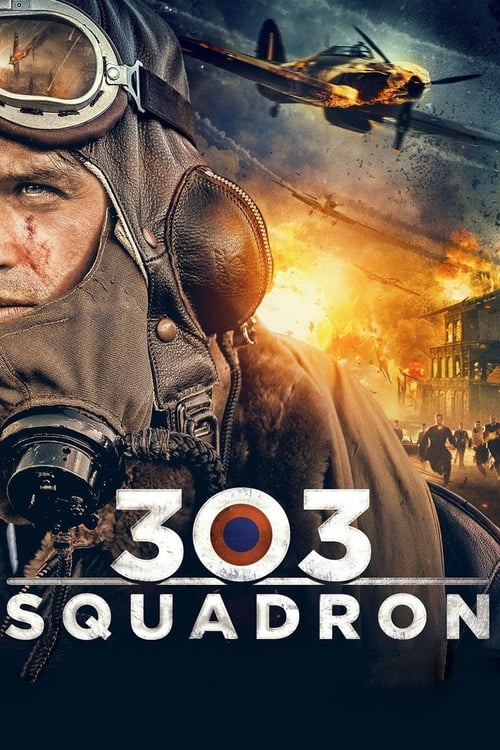
303 Squadron
After the fall of the September Campaign of 1939, two Polish pilots are forced to fight for their nation in foreign battlefronts.
Despite its small-scale budget of $3.7M, 303 Squadron became a solid performer, earning $7.7M worldwide—a 108% return.


Plot Structure
Story beats plotted across runtime


Narrative Arc
Emotional journey through the story's key moments
Story Circle
Blueprint 15-beat structure
Arcplot Score Breakdown
Weighted: Precision (70%) + Arc (15%) + Theme (15%)
303 Squadron (2018) demonstrates carefully calibrated plot construction, characteristic of Denis Delić's storytelling approach. This structural analysis examines how the film's 15-point plot structure maps to proven narrative frameworks across 1 hour and 35 minutes. With an Arcplot score of 7.4, the film balances conventional beats with creative variation.
Characters
Cast & narrative archetypes

Jan Zumbach
Witold Urbanowicz
John Kent
Phyllis Lambert
Miroslaw Feric
Squadron Leader Ronald Kellett
Zdzislaw Henneberg
Main Cast & Characters
Jan Zumbach
Played by Maciej Zakoscielny
Swiss-born Polish fighter pilot and one of the top aces of 303 Squadron, known for his skill and rebellious nature.
Witold Urbanowicz
Played by Piotr Adamczyk
Commanding officer of 303 Squadron, disciplined leader struggling to prove Polish pilots to skeptical British command.
John Kent
Played by Marcin Dorocinski
Canadian RAF officer who serves as liaison and squadron leader, bridging Polish pilots and British command.
Phyllis Lambert
Played by Stefanie Martini
British intelligence officer and romantic interest who develops relationship with Jan Zumbach.
Miroslaw Feric
Played by Krzysztof Kwiatkowski
Polish pilot and close friend of Zumbach, loyal wingman who shares combat experiences.
Squadron Leader Ronald Kellett
Played by Alistair Petrie
British RAF officer initially skeptical of Polish pilots but grows to respect their abilities.
Zdzislaw Henneberg
Played by Maciej Musialowski
Polish pilot known for his determination and combat effectiveness despite initial discrimination.
Structural Analysis
The Status Quo at 1 minutes (1% through the runtime) establishes Polish pilots in their homeland, celebrating their flying prowess and camaraderie. Jan Zumbach and fellow pilots enjoy their status as heroes, confident and proud of defending Poland.. Significantly, this early placement immediately immerses viewers in the story world.
The inciting incident occurs at 12 minutes when Poland falls to Nazi invasion. The pilots are forced to flee their homeland, losing everything. Their world is shattered and they must escape to continue the fight.. At 12% through the film, this Disruption aligns precisely with traditional story structure. This beat shifts the emotional landscape, launching the protagonist into the central conflict.
The First Threshold at 24 minutes marks the transition into Act II, occurring at 26% of the runtime. This demonstrates the protagonist's commitment to The Polish pilots are officially formed into 303 Squadron and given a chance to fly combat missions. They actively choose to prove their worth to the skeptical RAF command, crossing into the world of the Battle of Britain., moving from reaction to action.
At 48 minutes, the Midpoint arrives at 50% of the runtime—precisely centered, creating perfect narrative symmetry. Of particular interest, this crucial beat 303 Squadron becomes the highest-scoring RAF squadron in the Battle of Britain. Public recognition and RAF acknowledgment of their valor. False victory: they've proven their skill but the cost and prejudice haven't fully been addressed. Stakes raise as combat intensifies., fundamentally raising what's at risk. The emotional intensity shifts, dividing the narrative into clear before-and-after phases.
The Collapse moment at 72 minutes (76% through) represents the emotional nadir. Here, A beloved squadron member is killed in combat. The whiff of death is literal. Jan and the survivors face the devastating loss, questioning whether their sacrifice will ever truly be recognized or if they're just expendable foreign pilots., indicates the protagonist at their lowest point. This beat's placement in the final quarter sets up the climactic reversal.
The Second Threshold at 77 minutes initiates the final act resolution at 81% of the runtime. The pilots realize that their fight transcends personal recognition—they're defending freedom itself and honoring their fallen homeland and comrades. They synthesize their Polish pride with their role in Britain's defense, finding renewed purpose., demonstrating the transformation achieved throughout the journey.
Emotional Journey
303 Squadron's emotional architecture traces a deliberate progression across 15 carefully calibrated beats.
Narrative Framework
This structural analysis employs systematic plot point analysis that identifies crucial turning points. By mapping 303 Squadron against these established plot points, we can identify how Denis Delić utilizes or subverts traditional narrative conventions. The plot point approach reveals not only adherence to structural principles but also creative choices that distinguish 303 Squadron within the war genre.
Comparative Analysis
Additional war films include Fury, Shenandoah and More American Graffiti.
Plot Points by Act
Act I
SetupStatus Quo
Polish pilots in their homeland, celebrating their flying prowess and camaraderie. Jan Zumbach and fellow pilots enjoy their status as heroes, confident and proud of defending Poland.
Theme
A senior officer tells the Polish pilots that courage without recognition means nothing, foreshadowing their struggle for respect and acknowledgment in Britain despite their skill and sacrifice.
Worldbuilding
Establishing the Polish pilots' expertise, their relationships, and the invasion of Poland. Shows their desperation as they escape to France and then Britain, carrying their pride and determination to keep fighting.
Disruption
Poland falls to Nazi invasion. The pilots are forced to flee their homeland, losing everything. Their world is shattered and they must escape to continue the fight.
Resistance
The Polish pilots arrive in Britain and face prejudice and dismissal from RAF command. They are relegated to non-combat roles despite their experience. John Kent becomes their reluctant British liaison and advocate, debating whether they can prove themselves.
Act II
ConfrontationFirst Threshold
The Polish pilots are officially formed into 303 Squadron and given a chance to fly combat missions. They actively choose to prove their worth to the skeptical RAF command, crossing into the world of the Battle of Britain.
Mirror World
Jan forms a connection with a British woman who sees beyond national prejudice. This relationship represents the theme of recognition and respect transcending borders, showing what the pilots are truly fighting for.
Premise
The promise of the premise: Polish pilots prove their exceptional skill in aerial combat. They rack up impressive kill counts, earn grudging respect, and experience the intensity of the Battle of Britain. The squadron bonds and their reputation grows.
Midpoint
303 Squadron becomes the highest-scoring RAF squadron in the Battle of Britain. Public recognition and RAF acknowledgment of their valor. False victory: they've proven their skill but the cost and prejudice haven't fully been addressed. Stakes raise as combat intensifies.
Opposition
The Luftwaffe intensifies bombing campaigns. Casualties mount on both sides. The pilots face exhaustion, trauma, and losses. Internal tensions emerge as the squadron pays the price for their aggressive tactics. The reality of war closes in.
Collapse
A beloved squadron member is killed in combat. The whiff of death is literal. Jan and the survivors face the devastating loss, questioning whether their sacrifice will ever truly be recognized or if they're just expendable foreign pilots.
Crisis
Dark night of the soul. The surviving pilots grieve and confront their mortality. They process the loss and question the meaning of their fight. Jan reflects on what they've sacrificed and what they're still fighting for.
Act III
ResolutionSecond Threshold
The pilots realize that their fight transcends personal recognition—they're defending freedom itself and honoring their fallen homeland and comrades. They synthesize their Polish pride with their role in Britain's defense, finding renewed purpose.
Synthesis
The final missions of the Battle of Britain. The squadron flies with renewed determination, honoring their fallen. They execute their finest combat flying, helping turn the tide of the battle. Resolution of their arc as recognized heroes.
Transformation
Closing image shows the 303 Squadron memorial or the surviving pilots honored, their contribution finally recognized by history. Contrast to opening: they began as dismissed foreigners, end as legendary defenders of Britain. Their sacrifice has meaning.