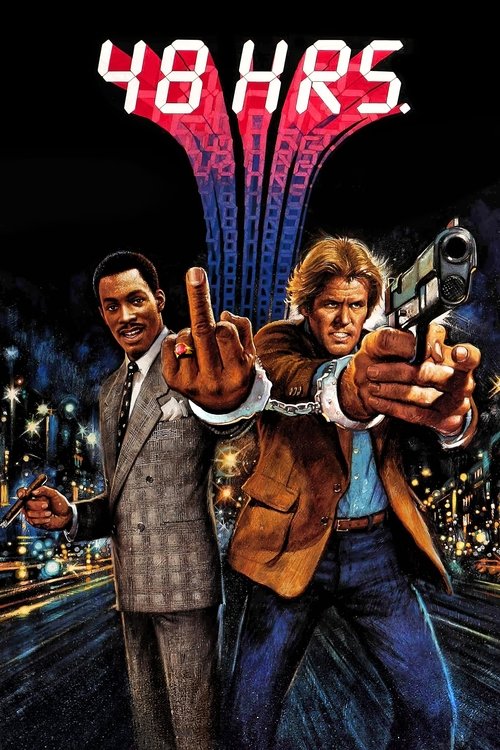
48 Hrs.
A hard-nosed cop reluctantly teams up with a wise-cracking criminal temporarily paroled to him, in order to track down a killer.
Despite its small-scale budget of $12.0M, 48 Hrs. became a box office phenomenon, earning $78.9M worldwide—a remarkable 557% return. The film's unique voice engaged audiences, demonstrating that strong storytelling can transcend budget limitations.
3 wins & 2 nominations


Plot Structure
Story beats plotted across runtime


Narrative Arc
Emotional journey through the story's key moments
Story Circle
Blueprint 15-beat structure
Arcplot Score Breakdown
Weighted: Precision (70%) + Arc (15%) + Theme (15%)
48 Hrs. (1982) demonstrates precise story structure, characteristic of Walter Hill's storytelling approach. This structural analysis examines how the film's 15-point plot structure maps to proven narrative frameworks across 1 hour and 36 minutes. With an Arcplot score of 7.1, the film balances conventional beats with creative variation.
Characters
Cast & narrative archetypes
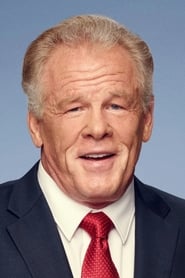
Jack Cates
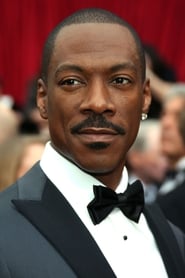
Reggie Hammond

Albert Ganz

Elaine Marshall
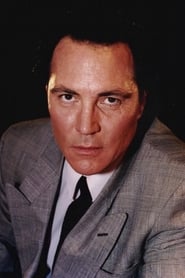
Billy Bear
Main Cast & Characters
Jack Cates
Played by Nick Nolte
A tough, by-the-book San Francisco cop forced to team up with a convict to catch killers.
Reggie Hammond
Played by Eddie Murphy
A wise-cracking convict temporarily released from prison to help catch his former criminal associates.
Albert Ganz
Played by James Remar
A ruthless escaped convict and cop killer on a violent rampage through San Francisco.
Elaine Marshall
Played by Annette O'Toole
Jack Cates' girlfriend who struggles with his dangerous lifestyle and obsessive work habits.
Billy Bear
Played by Sonny Landham
Ganz's psychotic partner and fellow escaped convict who aids in the killing spree.
Structural Analysis
The Status Quo at 1 minutes (1% through the runtime) establishes Jack Cates walks alone through San Francisco streets, a solitary cop disconnected from others. His world is one of isolation, control, and casual racism.. Notably, this early placement immediately immerses viewers in the story world.
The inciting incident occurs at 11 minutes when Jack's partner is killed by Ganz during the prison break. This personal loss drives Jack to hunt Ganz obsessively, but he has no leads.. At 12% through the film, this Disruption aligns precisely with traditional story structure. This beat shifts the emotional landscape, launching the protagonist into the central conflict.
The First Threshold at 24 minutes marks the transition into Act II, occurring at 25% of the runtime. This illustrates the protagonist's commitment to Jack makes the active choice to spring Reggie from prison for 48 hours. This decision forces him into an unlikely partnership that will challenge everything he believes., moving from reaction to action.
At 47 minutes, the Midpoint arrives at 49% of the runtime—precisely centered, creating perfect narrative symmetry. Significantly, this crucial beat Jack and Reggie have a breakthrough in their investigation, getting closer to Ganz. They experience a false victory - thinking they're gaining ground - but also begin to trust each other for the first time., fundamentally raising what's at risk. The emotional intensity shifts, dividing the narrative into clear before-and-after phases.
The Collapse moment at 71 minutes (74% through) represents the emotional nadir. Here, Reggie's time is up and he must return to prison. Their partnership appears over. Jack faces the loss of both his original partner (dead) and his new one (back to jail). The mission seems impossible alone., illustrates the protagonist at their lowest point. This beat's placement in the final quarter sets up the climactic reversal.
The Second Threshold at 76 minutes initiates the final act resolution at 80% of the runtime. Jack gets new information on Ganz's location and breaks Reggie out (or delays his return) to finish the job together. Jack chooses partnership over rules, showing his transformation., demonstrating the transformation achieved throughout the journey.
Emotional Journey
48 Hrs.'s emotional architecture traces a deliberate progression across 15 carefully calibrated beats.
Narrative Framework
This structural analysis employs a 15-point narrative structure framework that maps key story moments. By mapping 48 Hrs. against these established plot points, we can identify how Walter Hill utilizes or subverts traditional narrative conventions. The plot point approach reveals not only adherence to structural principles but also creative choices that distinguish 48 Hrs. within the crime genre.
Walter Hill's Structural Approach
Among the 14 Walter Hill films analyzed on Arcplot, the average structural score is 7.1, reflecting strong command of classical structure. 48 Hrs. takes a more unconventional approach compared to the director's typical style. For comparative analysis, explore the complete Walter Hill filmography.
Comparative Analysis
Additional crime films include The Bad Guys, Rustom and The Whole Ten Yards. For more Walter Hill analyses, see The Warriors, Johnny Handsome and The Driver.
Plot Points by Act
Act I
SetupStatus Quo
Jack Cates walks alone through San Francisco streets, a solitary cop disconnected from others. His world is one of isolation, control, and casual racism.
Theme
Jack's partner comments on his inability to work with others, foreshadowing the lesson Jack must learn about partnership and trust across racial divides.
Worldbuilding
Establish Jack's world as a lone-wolf cop and Albert Ganz's prison break. Jack's methods are brutal and solitary. Ganz murders Jack's partner and another cop, setting up the manhunt.
Disruption
Jack's partner is killed by Ganz during the prison break. This personal loss drives Jack to hunt Ganz obsessively, but he has no leads.
Resistance
Jack investigates Ganz's connections and discovers Reggie Hammond, a convict who knows Ganz. Jack resists partnering with a criminal, especially a Black man, but realizes Reggie is his only lead.
Act II
ConfrontationFirst Threshold
Jack makes the active choice to spring Reggie from prison for 48 hours. This decision forces him into an unlikely partnership that will challenge everything he believes.
Mirror World
Reggie and Jack begin their partnership. Reggie's smooth-talking, street-smart persona contrasts sharply with Jack's rigid, brutal methods. Their conflict embodies the film's theme of overcoming prejudice.
Premise
The "buddy cop" premise plays out: Jack and Reggie clash, investigate leads, and engage in comedic confrontations. The famous country bar scene showcases their dynamic. They begin to grudgingly respect each other's skills.
Midpoint
Jack and Reggie have a breakthrough in their investigation, getting closer to Ganz. They experience a false victory - thinking they're gaining ground - but also begin to trust each other for the first time.
Opposition
Ganz stays ahead of them. Jack's superiors pressure him about the unorthodox partnership. Time runs out on the 48-hour deadline. The partnership itself becomes strained as old prejudices resurface under pressure.
Collapse
Reggie's time is up and he must return to prison. Their partnership appears over. Jack faces the loss of both his original partner (dead) and his new one (back to jail). The mission seems impossible alone.
Crisis
Jack processes the failure and realizes he can't do this alone - he's learned that partnership matters more than pride. He recognizes that his prejudice was wrong and that Reggie is a true partner.
Act III
ResolutionSecond Threshold
Jack gets new information on Ganz's location and breaks Reggie out (or delays his return) to finish the job together. Jack chooses partnership over rules, showing his transformation.
Synthesis
The final confrontation with Ganz. Jack and Reggie work as true partners, combining Jack's street toughness with Reggie's cunning. They defeat Ganz through teamwork, not individual heroics.
Transformation
Jack and Reggie part as genuine friends and partners, mutual respect replacing prejudice. Jack is no longer the isolated lone wolf - he's learned to trust and value partnership across racial lines.