
A Chorus Line
A director is casting dancers for a large production. Large numbers of hopefulls audition, hoping to be selected. Throughout the day, more and more people are eliminated, and the competition gets harder. Eventually, approximately a dozen dancers must compete for a few spots, each hoping to impress the director with their dancing skill. But, is this really what the director is looking for?
The film disappointed at the box office against its moderate budget of $25.0M, earning $14.2M globally (-43% loss). While initial box office returns were modest, the film has gained appreciation for its innovative storytelling within the drama genre.
Nominated for 3 Oscars. 8 nominations


Plot Structure
Story beats plotted across runtime


Narrative Arc
Emotional journey through the story's key moments
Story Circle
Blueprint 15-beat structure
Arcplot Score Breakdown
Weighted: Precision (70%) + Arc (15%) + Theme (15%)
A Chorus Line (1985) exhibits deliberately positioned story structure, characteristic of Richard Attenborough's storytelling approach. This structural analysis examines how the film's 15-point plot structure maps to proven narrative frameworks across 1 hour and 57 minutes. With an Arcplot score of 7.0, the film balances conventional beats with creative variation.
Characters
Cast & narrative archetypes

Zach
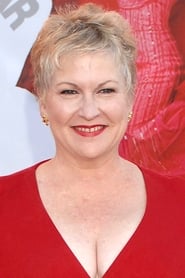
Cassie

Diana Morales
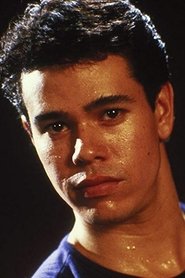
Paul San Marco
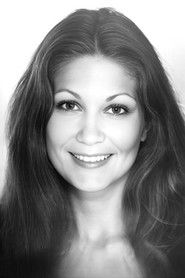
Sheila Bryant
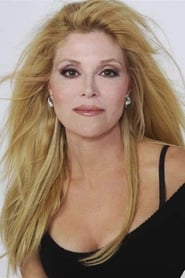
Val Clark
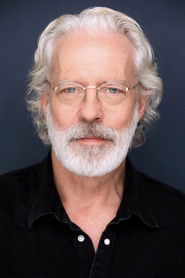
Mike Costa
Greg Gardner

Judy Turner
Richie Walters
Connie Wong
Main Cast & Characters
Zach
Played by Michael Douglas
The demanding director holding auditions, pushing dancers to reveal their deepest truths.
Cassie
Played by Alyson Reed
A former star dancer desperate for a comeback, confronting her past relationship with Zach.
Diana Morales
Played by Yamil Borges
A Puerto Rican dancer who found her voice through performing, sharing her struggle with acting class.
Paul San Marco
Played by Cameron English
A vulnerable young gay dancer who shares his painful coming-out story and family rejection.
Sheila Bryant
Played by Vicki Frederick
A veteran dancer in her thirties, cynical and protective, fearing age will end her career.
Val Clark
Played by Audrey Landers
A confident dancer who enhanced her appearance through plastic surgery to succeed in show business.
Mike Costa
Played by Terrence Mann
An athletic, charismatic dancer who learned to perform from his street-smart childhood.
Greg Gardner
Played by Justin Ross
A gay dancer in a committed relationship, representing stability and partnership.
Judy Turner
Played by Janet Jones
An insecure dancer who has always felt inadequate and invisible despite her talent.
Richie Walters
Played by Blane Savage
A charismatic performer who uses humor to deflect from his struggles with identity and expectations.
Connie Wong
Played by Jan Gan Boyd
A petite Asian-American dancer battling insecurities about her height and appearance.
Structural Analysis
The Status Quo at 1 minutes (1% through the runtime) establishes Dancers arrive at the theater for an audition, stretching and warming up. The opening shows the ordinary world of Broadway hopefuls—competitive, anonymous, replaceable.. Of particular interest, this early placement immediately immerses viewers in the story world.
The inciting incident occurs at 14 minutes when Zach announces the unconventional audition format: dancers must stand on the line and reveal their personal stories, exposing their vulnerabilities. This disrupts the usual anonymous audition process.. At 12% through the film, this Disruption aligns precisely with traditional story structure. This beat shifts the emotional landscape, launching the protagonist into the central conflict.
The First Threshold at 28 minutes marks the transition into Act II, occurring at 24% of the runtime. This demonstrates the protagonist's commitment to The dancers commit to opening up. One by one, they begin sharing their stories—their childhoods, their struggles, what brought them to dance. They cross into vulnerability and authenticity., moving from reaction to action.
At 59 minutes, the Midpoint arrives at 50% of the runtime—precisely centered, creating perfect narrative symmetry. The analysis reveals that this crucial beat Paul shares his deeply personal story about his parents discovering him performing in drag, a moment of profound vulnerability that raises the stakes. The audition has become about more than just a job., fundamentally raising what's at risk. The emotional intensity shifts, dividing the narrative into clear before-and-after phases.
The Collapse moment at 87 minutes (75% through) represents the emotional nadir. Here, Paul suffers a devastating knee injury during the dance combination, collapsing in agony. His dream dies in an instant—a literal representation of every dancer's nightmare and mortality., demonstrates the protagonist at their lowest point. This beat's placement in the final quarter sets up the climactic reversal.
The Second Threshold at 93 minutes initiates the final act resolution at 79% of the runtime. Zach makes his final decisions, recognizing that he must balance artistic vision with human compassion. He chooses the dancers who will be in the chorus line, including Cassie, accepting their shared past., demonstrating the transformation achieved throughout the journey.
Emotional Journey
A Chorus Line's emotional architecture traces a deliberate progression across 15 carefully calibrated beats.
Narrative Framework
This structural analysis employs proven narrative structure principles that track dramatic progression. By mapping A Chorus Line against these established plot points, we can identify how Richard Attenborough utilizes or subverts traditional narrative conventions. The plot point approach reveals not only adherence to structural principles but also creative choices that distinguish A Chorus Line within the drama genre.
Richard Attenborough's Structural Approach
Among the 8 Richard Attenborough films analyzed on Arcplot, the average structural score is 7.0, demonstrating varied approaches to story architecture. A Chorus Line represents one of the director's most structurally precise works. For comparative analysis, explore the complete Richard Attenborough filmography.
Comparative Analysis
Additional drama films include After Thomas, South Pacific and Dirty Dancing: Havana Nights. For more Richard Attenborough analyses, see Gandhi, In Love and War and Magic.
Plot Points by Act
Act I
SetupStatus Quo
Dancers arrive at the theater for an audition, stretching and warming up. The opening shows the ordinary world of Broadway hopefuls—competitive, anonymous, replaceable.
Theme
Zach, the director, tells the dancers he wants to know who they are, not just what they can do: "I want to know what makes you tick." The theme of identity versus performance is established.
Worldbuilding
The brutal audition process begins. Hundreds are cut down to a final group. We meet the key dancers: Cassie (the ex-girlfriend), Paul, Diana, Sheila, Mike, and others. The stakes are clear—this is their last chance.
Disruption
Zach announces the unconventional audition format: dancers must stand on the line and reveal their personal stories, exposing their vulnerabilities. This disrupts the usual anonymous audition process.
Resistance
Dancers debate whether to participate in this invasive process. Some resist revealing personal details. Zach pushes them to be honest. Cassie's presence complicates things—she and Zach share a difficult past.
Act II
ConfrontationFirst Threshold
The dancers commit to opening up. One by one, they begin sharing their stories—their childhoods, their struggles, what brought them to dance. They cross into vulnerability and authenticity.
Mirror World
Cassie and Zach's relationship becomes the emotional B-story. Her willingness to audition for the chorus despite being a former star challenges both his authority and their shared past.
Premise
The heart of the film: dancers share intimate stories through monologues and songs. "At the Ballet," "Sing!," "Hello Twelve, Hello Thirteen," and "Nothing" reveal their humanity, dreams, and pain.
Midpoint
Paul shares his deeply personal story about his parents discovering him performing in drag, a moment of profound vulnerability that raises the stakes. The audition has become about more than just a job.
Opposition
Tensions rise as Zach presses harder, making cuts and demanding more. Cassie confronts Zach about their relationship during "The Music and the Mirror." The dancers face their deepest fears about inadequacy and rejection.
Collapse
Paul suffers a devastating knee injury during the dance combination, collapsing in agony. His dream dies in an instant—a literal representation of every dancer's nightmare and mortality.
Crisis
The group processes the reality of Paul's injury and what it means. Zach is shaken, forced to confront the human cost of his demanding standards. The remaining dancers face their own fragility.
Act III
ResolutionSecond Threshold
Zach makes his final decisions, recognizing that he must balance artistic vision with human compassion. He chooses the dancers who will be in the chorus line, including Cassie, accepting their shared past.
Synthesis
The finale: "One (Singular Sensation)" brings the selected dancers together in full costume and makeup. Individuality merges into unified spectacle—the transformation from vulnerable people to polished performers.
Transformation
The dancers take their final bows in golden costumes, anonymous yet triumphant. They've achieved their goal while maintaining their dignity—no longer just replaceable bodies, but artists who've been truly seen.