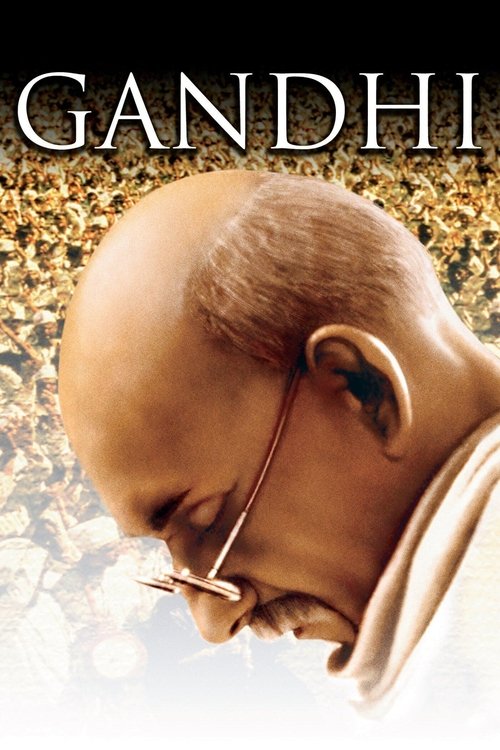
Gandhi
In the early years of the 20th century, Mohandas K. Gandhi, a British-trained lawyer, forsakes all worldly possessions to take up the cause of Indian independence. Faced with armed resistance from the British government, Gandhi adopts a policy of 'passive resistance', endeavouring to win freedom for his people without resorting to bloodshed.
Despite a mid-range budget of $22.0M, Gandhi became a financial success, earning $77.7M worldwide—a 253% return.
8 Oscars. 35 wins & 23 nominations


Plot Structure
Story beats plotted across runtime


Narrative Arc
Emotional journey through the story's key moments
Story Circle
Blueprint 15-beat structure
Arcplot Score Breakdown
Weighted: Precision (70%) + Arc (15%) + Theme (15%)
Gandhi (1982) showcases meticulously timed narrative architecture, characteristic of Richard Attenborough's storytelling approach. This structural analysis examines how the film's 15-point plot structure maps to proven narrative frameworks across 3 hours and 11 minutes. With an Arcplot score of 5.7, the film takes an unconventional approach to traditional narrative frameworks.
Characters
Cast & narrative archetypes

Mohandas K. Gandhi
Kasturba Gandhi
Jawaharlal Nehru
Margaret Bourke-White
Reverend Charlie Andrews
Muhammad Ali Jinnah
Mirabehn
General Smuts
Main Cast & Characters
Mohandas K. Gandhi
Played by Ben Kingsley
Indian lawyer who becomes the leader of India's nonviolent independence movement against British rule
Kasturba Gandhi
Played by Rohini Hattangadi
Gandhi's devoted wife who supports his mission despite personal hardship
Jawaharlal Nehru
Played by Roshan Seth
Gandhi's protégé and political ally who becomes India's first Prime Minister
Margaret Bourke-White
Played by Candice Bergen
American photojournalist who documents Gandhi's final days
Reverend Charlie Andrews
Played by Ian Charleson
British minister and close friend who becomes an advocate for Indian independence
Muhammad Ali Jinnah
Played by Alyque Padamsee
Muslim League leader who advocates for partition and creation of Pakistan
Mirabehn
Played by Geraldine James
British admiral's daughter who becomes Gandhi's devoted disciple
General Smuts
Played by Athol Fugard
South African administrator who opposes Gandhi's early civil rights campaigns
Structural Analysis
The Status Quo at 2 minutes (1% through the runtime) establishes Gandhi's assassination on January 30, 1948, followed by massive funeral procession. Opening image establishes his martyrdom and global impact before flashing back to his origin story.. Of particular interest, this early placement immediately immerses viewers in the story world.
The inciting incident occurs at 20 minutes when Gandhi is forcibly thrown off the first-class train compartment at Pietermaritzburg station despite having a valid ticket. This personal humiliation becomes the catalyst for his transformation from lawyer to activist.. At 11% through the film, this Disruption aligns precisely with traditional story structure. This beat shifts the emotional landscape, launching the protagonist into the central conflict.
The First Threshold at 30 minutes marks the transition into Act II, occurring at 16% of the runtime. This indicates the protagonist's commitment to Gandhi makes the active choice to stay in South Africa and lead the fight against discriminatory laws. Organizes the burning of registration cards in first major act of civil disobedience, fully committing to non-violent resistance., moving from reaction to action.
At 116 minutes, the Midpoint arrives at 61% of the runtime—notably delayed, an unconventional structural choice. Significantly, this crucial beat The Salt March to Dandi in March 1930. Gandhi walks 240 miles to the sea to make salt, defying British monopoly. False victory - gains global attention and moral high ground, but brutal police violence at Dharasana shows the terrible cost ahead. Stakes are raised permanently., fundamentally raising what's at risk. The emotional intensity shifts, dividing the narrative into clear before-and-after phases.
The Collapse moment at 147 minutes (77% through) represents the emotional nadir. Here, Kasturba dies in Gandhi's arms while both are imprisoned. The whiff of death - his life partner and spiritual anchor is gone. Gandhi faces his darkest isolation, having sacrificed his family for the movement., shows the protagonist at their lowest point. This beat's placement in the final quarter sets up the climactic reversal.
The Second Threshold at 162 minutes initiates the final act resolution at 85% of the runtime. August 15, 1947 - Independence is achieved, but Gandhi refuses to celebrate. New synthesis: he accepts the political compromise of partition while maintaining moral witness against it. Chooses to fast unto death to stop communal violence in Calcutta rather than attend independence celebrations., demonstrating the transformation achieved throughout the journey.
Emotional Journey
Gandhi's emotional architecture traces a deliberate progression across 15 carefully calibrated beats.
Narrative Framework
This structural analysis employs systematic plot point analysis that identifies crucial turning points. By mapping Gandhi against these established plot points, we can identify how Richard Attenborough utilizes or subverts traditional narrative conventions. The plot point approach reveals not only adherence to structural principles but also creative choices that distinguish Gandhi within the drama genre.
Richard Attenborough's Structural Approach
Among the 8 Richard Attenborough films analyzed on Arcplot, the average structural score is 7.0, demonstrating varied approaches to story architecture. Gandhi takes a more unconventional approach compared to the director's typical style. For comparative analysis, explore the complete Richard Attenborough filmography.
Comparative Analysis
Additional drama films include After Thomas, South Pacific and Dirty Dancing: Havana Nights. For more Richard Attenborough analyses, see In Love and War, Magic and Cry Freedom.
Plot Points by Act
Act I
SetupStatus Quo
Gandhi's assassination on January 30, 1948, followed by massive funeral procession. Opening image establishes his martyrdom and global impact before flashing back to his origin story.
Theme
After being thrown from the train, a fellow passenger tells Gandhi: "You'll be throwing the rest of us out too." The theme of collective resistance over individual grievance is stated - one person's dignity is everyone's fight.
Worldbuilding
Establishes 1893 South Africa, young lawyer Gandhi in Western dress, the system of racial discrimination, the Indian community's acceptance of second-class status, and Gandhi's initial belief in British justice.
Disruption
Gandhi is forcibly thrown off the first-class train compartment at Pietermaritzburg station despite having a valid ticket. This personal humiliation becomes the catalyst for his transformation from lawyer to activist.
Resistance
Gandhi debates whether to return to India or stay and fight. He organizes the Indian community, learns about systematic oppression, develops early resistance strategies, and begins experimenting with non-violent protest.
Act II
ConfrontationFirst Threshold
Gandhi makes the active choice to stay in South Africa and lead the fight against discriminatory laws. Organizes the burning of registration cards in first major act of civil disobedience, fully committing to non-violent resistance.
Mirror World
Introduction of Charlie Andrews, the sympathetic British priest who becomes ally and friend. Represents the possibility of cross-cultural understanding and moral solidarity, embodying the theme that truth transcends nationality.
Premise
Gandhi develops Satyagraha philosophy, builds the movement in South Africa, gains international attention, and returns to India in 1915 as a celebrated figure. Explores the promise: non-violence as revolutionary force.
Midpoint
The Salt March to Dandi in March 1930. Gandhi walks 240 miles to the sea to make salt, defying British monopoly. False victory - gains global attention and moral high ground, but brutal police violence at Dharasana shows the terrible cost ahead. Stakes are raised permanently.
Opposition
British crack down harder with imprisonments. Hindu-Muslim tensions rise. Gandhi's fasts become more frequent and dangerous. Personal costs mount - Kasturba dies in prison (1944). Internal divisions within independence movement grow as World War II complicates everything.
Collapse
Kasturba dies in Gandhi's arms while both are imprisoned. The whiff of death - his life partner and spiritual anchor is gone. Gandhi faces his darkest isolation, having sacrificed his family for the movement.
Crisis
Gandhi processes the loss and grapples with the reality that independence will come with partition. The dark night as he realizes political victory may mean spiritual defeat - the nation will be divided along religious lines he fought to unite.
Act III
ResolutionSecond Threshold
August 15, 1947 - Independence is achieved, but Gandhi refuses to celebrate. New synthesis: he accepts the political compromise of partition while maintaining moral witness against it. Chooses to fast unto death to stop communal violence in Calcutta rather than attend independence celebrations.
Synthesis
Gandhi's fast stops riots in Calcutta - moral authority at its peak. But Hindu extremists see him as traitor for protecting Muslims. Final confrontation is not with British Empire but with communal hatred. Gandhi walks to prayer meeting on January 30, 1948, embodying peace until his final breath.
Transformation
Gandhi is assassinated by Nathuram Godse, a Hindu nationalist. His last words are "Hey, Ram" (Oh God). The closing image mirrors the opening funeral but now we understand the full tragedy and triumph - he transformed from lawyer to Mahatma, achieving political independence but dying for the principle of religious unity.