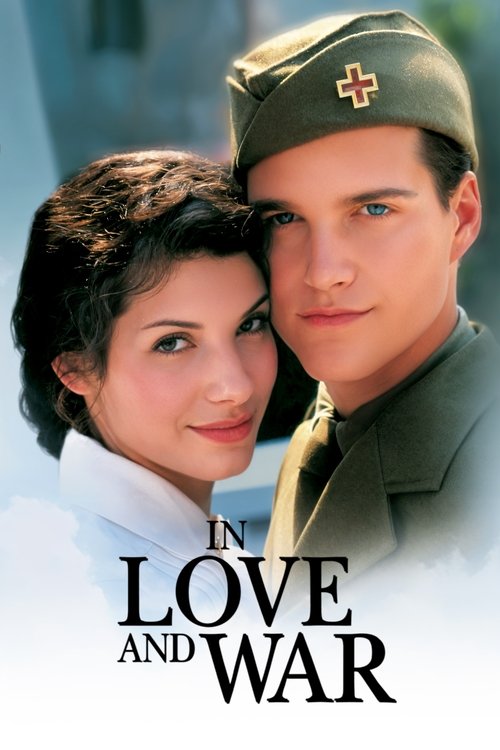
In Love and War
After teenage ambulance driver Ernest Hemingway takes shrapnel in the leg during World War I, he falls in love with Agnes von Kurowsky, a beautiful older nurse at the hospital where he's sent to recover. Their affair slowly blossoms, until Hemingway boldly asks Agnes to be his wife and journey to America with him.
The film earned $25.4M at the global box office.


Plot Structure
Story beats plotted across runtime


Narrative Arc
Emotional journey through the story's key moments
Story Circle
Blueprint 15-beat structure
Arcplot Score Breakdown
Weighted: Precision (70%) + Arc (15%) + Theme (15%)
In Love and War (1996) demonstrates meticulously timed story structure, characteristic of Richard Attenborough's storytelling approach. This structural analysis examines how the film's 15-point plot structure maps to proven narrative frameworks across 1 hour and 53 minutes. With an Arcplot score of 7.1, the film balances conventional beats with creative variation.
Characters
Cast & narrative archetypes

Ernest Hemingway
Agnes von Kurowsky
Henry Villard
Elsie 'Mac' Macdonald
Main Cast & Characters
Ernest Hemingway
Played by Chris O'Donnell
A young ambulance driver in WWI Italy who dreams of becoming a great writer and falls in love with his nurse.
Agnes von Kurowsky
Played by Sandra Bullock
An experienced Red Cross nurse who enters a passionate romance with Hemingway despite their age difference and uncertain future.
Henry Villard
Played by Mackenzie Astin
Hemingway's friend and fellow ambulance driver who provides comic relief and camaraderie.
Elsie 'Mac' Macdonald
Played by Margot Steinberg
A fellow nurse and Agnes's close friend who offers support and wisdom about the realities of wartime romance.
Structural Analysis
The Status Quo at 2 minutes (2% through the runtime) establishes Young Ernest Hemingway at home in Oak Park, Illinois, restless and eager to escape his conventional life and join the war effort despite his father's concerns.. Significantly, this early placement immediately immerses viewers in the story world.
The inciting incident occurs at 13 minutes when Ernest arrives at the Italian front-line hospital and encounters the beautiful, sophisticated nurse Agnes von Kurowsky, who immediately captivates him.. At 12% through the film, this Disruption aligns precisely with traditional story structure. This beat shifts the emotional landscape, launching the protagonist into the central conflict.
The First Threshold at 28 minutes marks the transition into Act II, occurring at 25% of the runtime. This demonstrates the protagonist's commitment to Ernest is severely wounded by mortar fire while delivering supplies to soldiers at the front, nearly dies, and is hospitalized with serious leg injuries., moving from reaction to action.
At 56 minutes, the Midpoint arrives at 50% of the runtime—precisely centered, creating perfect narrative symmetry. Significantly, this crucial beat Ernest and Agnes consummate their relationship and declare their love. They make plans to marry after the war, believing their love can overcome any obstacle., fundamentally raising what's at risk. The emotional intensity shifts, dividing the narrative into clear before-and-after phases.
The Collapse moment at 83 minutes (73% through) represents the emotional nadir. Here, Ernest receives a letter from Agnes breaking off their engagement. She explains she has fallen in love with an older, more established Italian officer and cannot marry him., demonstrates the protagonist at their lowest point. This beat's placement in the final quarter sets up the climactic reversal.
The Second Threshold at 90 minutes initiates the final act resolution at 80% of the runtime. Ernest begins to write, channeling his pain and experience into his craft. He realizes the depth of emotion and loss has given him the material and perspective to become a true writer., demonstrating the transformation achieved throughout the journey.
Emotional Journey
In Love and War's emotional architecture traces a deliberate progression across 15 carefully calibrated beats.
Narrative Framework
This structural analysis employs structural analysis methodology used to understand storytelling architecture. By mapping In Love and War against these established plot points, we can identify how Richard Attenborough utilizes or subverts traditional narrative conventions. The plot point approach reveals not only adherence to structural principles but also creative choices that distinguish In Love and War within the drama genre.
Richard Attenborough's Structural Approach
Among the 8 Richard Attenborough films analyzed on Arcplot, the average structural score is 7.0, demonstrating varied approaches to story architecture. In Love and War represents one of the director's most structurally precise works. For comparative analysis, explore the complete Richard Attenborough filmography.
Comparative Analysis
Additional drama films include After Thomas, South Pacific and Dirty Dancing: Havana Nights. For more Richard Attenborough analyses, see Gandhi, Magic and Cry Freedom.
Plot Points by Act
Act I
SetupStatus Quo
Young Ernest Hemingway at home in Oak Park, Illinois, restless and eager to escape his conventional life and join the war effort despite his father's concerns.
Theme
Discussion about love, war, and what it means to truly live - suggesting that real experience requires risk and vulnerability.
Worldbuilding
Ernest's sheltered life in Oak Park, his desire for adventure, his recruitment as a Red Cross ambulance driver, and his journey to Italy where he meets fellow volunteers.
Disruption
Ernest arrives at the Italian front-line hospital and encounters the beautiful, sophisticated nurse Agnes von Kurowsky, who immediately captivates him.
Resistance
Ernest adjusts to war, works as an ambulance driver, and pursues Agnes despite her initial resistance. He proves his courage and sincerity while she maintains professional distance.
Act II
ConfrontationFirst Threshold
Ernest is severely wounded by mortar fire while delivering supplies to soldiers at the front, nearly dies, and is hospitalized with serious leg injuries.
Mirror World
Agnes takes personal charge of Ernest's care during his recovery. Their relationship deepens as she sees his vulnerability and he experiences her compassion beyond her professional role.
Premise
Ernest and Agnes fall deeply in love during his convalescence. They share intimate moments, dreams of the future, and navigate the complications of their romance amid the war.
Midpoint
Ernest and Agnes consummate their relationship and declare their love. They make plans to marry after the war, believing their love can overcome any obstacle.
Opposition
Reality intrudes: Ernest must leave the hospital, Agnes is reassigned, and the war separates them. Age and class differences become apparent. Agnes receives attention from older, more established men.
Collapse
Ernest receives a letter from Agnes breaking off their engagement. She explains she has fallen in love with an older, more established Italian officer and cannot marry him.
Crisis
Ernest is devastated, returns home broken-hearted. He struggles with the betrayal and loss, unable to process how their love could end this way.
Act III
ResolutionSecond Threshold
Ernest begins to write, channeling his pain and experience into his craft. He realizes the depth of emotion and loss has given him the material and perspective to become a true writer.
Synthesis
Years pass. Ernest becomes a successful writer, transforming his heartbreak into art. Agnes's romance fails; she never marries. Both carry the memory of their wartime love.
Transformation
Closing image shows the older Hemingway, now a literary legend, still carrying Agnes's photograph. His heartbreak became his art - the pain that made him a writer.