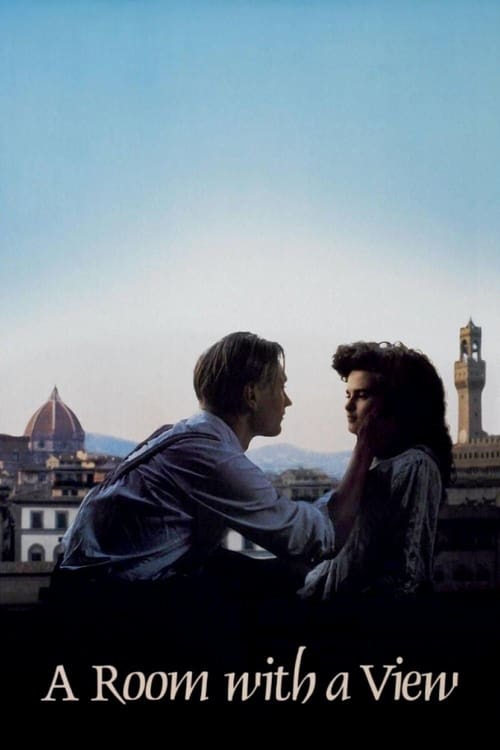
A Room with a View
When Lucy Honeychurch and chaperon Charlotte Bartlett find themselves in Florence with rooms without views, fellow guests Mr Emerson and son George step in to remedy the situation. Meeting the Emersons could change Lucy's life forever but, once back in England, how will her experiences in Tuscany affect her marriage plans?
Despite its modest budget of $3.0M, A Room with a View became a massive hit, earning $21.0M worldwide—a remarkable 599% return. The film's innovative storytelling attracted moviegoers, showing that strong storytelling can transcend budget limitations.
3 Oscars. 25 wins & 22 nominations


Plot Structure
Story beats plotted across runtime


Narrative Arc
Emotional journey through the story's key moments
Story Circle
Blueprint 15-beat structure
Arcplot Score Breakdown
Weighted: Precision (70%) + Arc (15%) + Theme (15%)
A Room with a View (1985) exemplifies deliberately positioned plot construction, characteristic of James Ivory's storytelling approach. This structural analysis examines how the film's 15-point plot structure maps to proven narrative frameworks across 1 hour and 57 minutes. With an Arcplot score of 6.6, the film balances conventional beats with creative variation.
Characters
Cast & narrative archetypes

Lucy Honeychurch
George Emerson
Cecil Vyse
Charlotte Bartlett
Mr. Emerson
Mrs. Honeychurch
Freddy Honeychurch
Reverend Beebe
Main Cast & Characters
Lucy Honeychurch
Played by Helena Bonham Carter
A young upper-class woman torn between passion and propriety, seeking authentic self-expression in Edwardian England.
George Emerson
Played by Julian Sands
A passionate, unconventional young man who believes in following authentic emotions rather than social conventions.
Cecil Vyse
Played by Daniel Day-Lewis
Lucy's pretentious, controlling fiancé who represents the stifling conventions of upper-class society.
Charlotte Bartlett
Played by Maggie Smith
Lucy's anxious, repressed spinster cousin who serves as her chaperone and conscience.
Mr. Emerson
Played by Denholm Elliott
George's wise, freethinking father who encourages Lucy to embrace truth and passion over social pretense.
Mrs. Honeychurch
Played by Rosemary Leach
Lucy's practical, good-natured mother who ultimately supports her daughter's choices.
Freddy Honeychurch
Played by Rupert Graves
Lucy's exuberant, athletic younger brother who befriends George and champions authenticity.
Reverend Beebe
Played by Simon Callow
The perceptive, liberal-minded local clergyman who subtly encourages Lucy toward genuine feeling.
Structural Analysis
The Status Quo at 1 minutes (1% through the runtime) establishes Lucy Honeychurch and her older cousin Charlotte Bartlett arrive at the Pensione Bertolini in Florence, discovering their rooms lack the promised view. Lucy is polite, constrained by Edwardian social conventions, suppressing her true desires beneath proper behavior.. The analysis reveals that this early placement immediately immerses viewers in the story world.
The inciting incident occurs at 14 minutes when Lucy witnesses a murder in the Piazza della Signoria. The shocking violence disrupts her sheltered existence. When George Emerson appears and catches her as she faints, their physical and emotional connection begins. The bloody photograph he throws into the Arno symbolizes the death of innocence.. At 12% through the film, this Disruption aligns precisely with traditional story structure. This beat shifts the emotional landscape, launching the protagonist into the central conflict.
The First Threshold at 29 minutes marks the transition into Act II, occurring at 25% of the runtime. This reveals the protagonist's commitment to George kisses Lucy in the field of violets during the Fiesole excursion. This passionate, spontaneous kiss forces Lucy to cross into a new emotional world where she must confront her true desires. Though she initially retreats, she cannot return to complete ignorance of her feelings., moving from reaction to action.
At 59 minutes, the Midpoint arrives at 51% of the runtime—precisely centered, creating perfect narrative symmetry. Significantly, this crucial beat George and his father rent a cottage in Surrey, becoming Lucy's neighbors. The Emersons' arrival raises the stakes dramatically - Lucy can no longer avoid her feelings. George kisses her again in the house. This false victory seems to clarify things, but Lucy's denial deepens, and she becomes more determined to marry Cecil., fundamentally raising what's at risk. The emotional intensity shifts, dividing the narrative into clear before-and-after phases.
The Collapse moment at 88 minutes (75% through) represents the emotional nadir. Here, Lucy tells George she doesn't love him, sending him away. This lie represents the death of her chance for authentic love and life. She retreats into plans to travel to Greece, choosing permanent escape over truth. Her denial reaches its lowest point - she seems destined to become another Charlotte, locked in propriety and regret., demonstrates the protagonist at their lowest point. This beat's placement in the final quarter sets up the climactic reversal.
The Second Threshold at 94 minutes initiates the final act resolution at 80% of the runtime. Mr. Emerson confronts Lucy at the Reverend Beebe's study, cutting through her lies with compassionate truth. He tells her she loves George and is killing something precious by denying it. This breakthrough moment gives Lucy permission to acknowledge her truth. The older man's wisdom synthesizes passion with understanding., demonstrating the transformation achieved throughout the journey.
Emotional Journey
A Room with a View's emotional architecture traces a deliberate progression across 15 carefully calibrated beats.
Narrative Framework
This structural analysis employs a 15-point narrative structure framework that maps key story moments. By mapping A Room with a View against these established plot points, we can identify how James Ivory utilizes or subverts traditional narrative conventions. The plot point approach reveals not only adherence to structural principles but also creative choices that distinguish A Room with a View within the drama genre.
James Ivory's Structural Approach
Among the 4 James Ivory films analyzed on Arcplot, the average structural score is 7.1, reflecting strong command of classical structure. A Room with a View takes a more unconventional approach compared to the director's typical style. For comparative analysis, explore the complete James Ivory filmography.
Comparative Analysis
Additional drama films include After Thomas, South Pacific and Dirty Dancing: Havana Nights. For more James Ivory analyses, see The Remains of the Day, Le Divorce and Howards End.
Plot Points by Act
Act I
SetupStatus Quo
Lucy Honeychurch and her older cousin Charlotte Bartlett arrive at the Pensione Bertolini in Florence, discovering their rooms lack the promised view. Lucy is polite, constrained by Edwardian social conventions, suppressing her true desires beneath proper behavior.
Theme
Mr. Emerson states the theme: "I have a view - and I don't care about the view." He offers to exchange rooms with Lucy and Charlotte, suggesting that true fulfillment comes from authenticity and passion, not conformity to social expectations.
Worldbuilding
Establishment of the rigid Edwardian world governing Lucy's life. The pensione guests embody various attitudes toward convention. Charlotte represents propriety and fear of passion. The Reverend Beebe and Eleanor Lavish provide comic relief while revealing the absurdity of social rules. Lucy's piano playing hints at buried emotions.
Disruption
Lucy witnesses a murder in the Piazza della Signoria. The shocking violence disrupts her sheltered existence. When George Emerson appears and catches her as she faints, their physical and emotional connection begins. The bloody photograph he throws into the Arno symbolizes the death of innocence.
Resistance
Lucy processes the murder's impact while Charlotte tries to maintain propriety. George's presence unsettles Lucy. The excursion to Fiesole creates tension as Lucy debates between safety (convention) and danger (authentic feeling). Charlotte serves as the voice of resistance, warning Lucy against improper attachments.
Act II
ConfrontationFirst Threshold
George kisses Lucy in the field of violets during the Fiesole excursion. This passionate, spontaneous kiss forces Lucy to cross into a new emotional world where she must confront her true desires. Though she initially retreats, she cannot return to complete ignorance of her feelings.
Mirror World
Back in England, Lucy becomes engaged to Cecil Vyse, a sophisticated aesthete who treats her as an art object to possess rather than a person to know. Cecil embodies the opposite of George - all refinement and social position, no genuine passion or equality. This relationship represents the thematic wrong choice.
Premise
Lucy tries to live the "proper" life as Cecil's fiancée in Surrey. The promise of the premise: watching Lucy navigate between two worlds - the passionate, authentic life George represents and the respectable, hollow life Cecil offers. Comic scenes reveal Cecil's pomposity and Lucy's growing awareness of the engagement's wrongness.
Midpoint
George and his father rent a cottage in Surrey, becoming Lucy's neighbors. The Emersons' arrival raises the stakes dramatically - Lucy can no longer avoid her feelings. George kisses her again in the house. This false victory seems to clarify things, but Lucy's denial deepens, and she becomes more determined to marry Cecil.
Opposition
Lucy's internal opposition intensifies as she cannot reconcile her passion for George with her commitment to Cecil. She breaks off her engagement to Cecil (a step forward) but then lies to George, claiming she doesn't love him. Charlotte, the voice of propriety, maintains pressure. Lucy plans to escape to Greece with the Misses Alan, running from the choice.
Collapse
Lucy tells George she doesn't love him, sending him away. This lie represents the death of her chance for authentic love and life. She retreats into plans to travel to Greece, choosing permanent escape over truth. Her denial reaches its lowest point - she seems destined to become another Charlotte, locked in propriety and regret.
Crisis
Lucy sits in darkness at home, preparing to leave for Greece. She processes her choice, feeling the emptiness of her "victory" over passion. The weight of a loveless, conventional future settles on her. She has freed herself from Cecil but not liberated herself toward authenticity.
Act III
ResolutionSecond Threshold
Mr. Emerson confronts Lucy at the Reverend Beebe's study, cutting through her lies with compassionate truth. He tells her she loves George and is killing something precious by denying it. This breakthrough moment gives Lucy permission to acknowledge her truth. The older man's wisdom synthesizes passion with understanding.
Synthesis
Lucy chooses George and authentic love over propriety. She marries him, accepting social disapproval from her family and Charlotte. The finale shows them returning to Florence for their honeymoon, coming full circle to the Pensione Bertolini where their story began, but now as equals in an authentic partnership.
Transformation
Lucy and George together in the room with a view in Florence, now married. Lucy plays piano while George embraces her from behind. Unlike the opening where she suppressed her true self, she now lives authentically. The view represents her earned perspective: choosing passion and truth over convention and appearance.