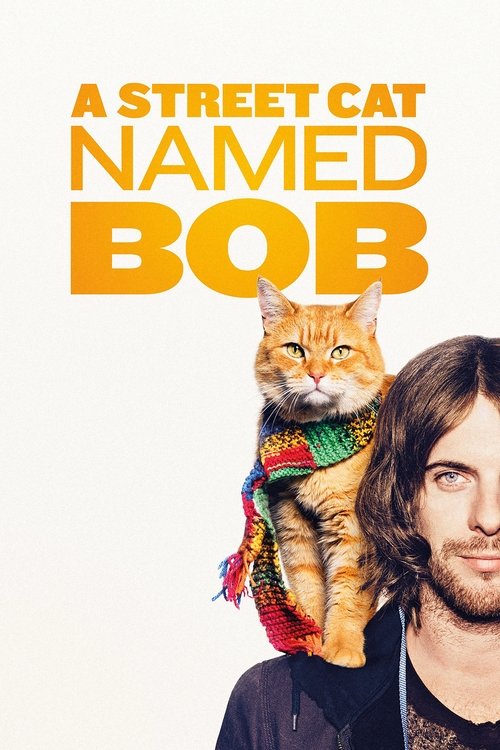
A Street Cat Named Bob
James Bowen, a homeless busker and recovering drug addict, has his life transformed when he meets a stray ginger cat.
Despite its tight budget of $8.0M, A Street Cat Named Bob became a commercial success, earning $17.9M worldwide—a 124% return.


Plot Structure
Story beats plotted across runtime


Narrative Arc
Emotional journey through the story's key moments
Story Circle
Blueprint 15-beat structure
Arcplot Score Breakdown
Weighted: Precision (70%) + Arc (15%) + Theme (15%)
A Street Cat Named Bob (2016) showcases meticulously timed plot construction, characteristic of Roger Spottiswoode's storytelling approach. This structural analysis examines how the film's 15-point plot structure maps to proven narrative frameworks across 1 hour and 43 minutes. With an Arcplot score of 7.6, the film showcases strong structural fundamentals.
Characters
Cast & narrative archetypes

James Bowen
Val
Betty
Baz
Mary
Main Cast & Characters
James Bowen
Played by Luke Treadaway
A recovering heroin addict and street busker whose life is transformed when he befriends a stray ginger cat named Bob.
Val
Played by Joanne Froggatt
James's supportive drug counselor who helps him through recovery and believes in his potential.
Betty
Played by Ruta Gedmintas
James's kind-hearted neighbor who offers him friendship and practical support during his struggles.
Baz
Played by Darren Evans
A fellow street performer and James's friend who provides camaraderie and street-level wisdom.
Mary
Played by Ruth Sheen
A compassionate Big Issue coordinator who gives James a chance to sell magazines and turn his life around.
Structural Analysis
The Status Quo at 1 minutes (1% through the runtime) establishes James Bowen sleeps rough on the streets of London, busking for change. He's homeless, addicted to heroin, and completely alone, living in a doorway with minimal possessions.. Significantly, this early placement immediately immerses viewers in the story world.
The inciting incident occurs at 12 minutes when James discovers an injured ginger cat in his flat hallway. The cat disrupts his isolated existence and presents an unexpected responsibility he didn't ask for.. At 12% through the film, this Disruption aligns precisely with traditional story structure. This beat shifts the emotional landscape, launching the protagonist into the central conflict.
The First Threshold at 25 minutes marks the transition into Act II, occurring at 24% of the runtime. This demonstrates the protagonist's commitment to James makes the active choice to keep Bob as his companion. When Bob follows him onto the bus to his busking spot, James accepts the cat into his life and they become a team., moving from reaction to action.
At 52 minutes, the Midpoint arrives at 50% of the runtime—precisely centered, creating perfect narrative symmetry. Of particular interest, this crucial beat False victory: James and Bob are thriving as Big Issue sellers, making good money and becoming local celebrities. James feels he's finally turned his life around. But stakes raise when his past and his precarious situation hint at fragility., fundamentally raising what's at risk. The emotional intensity shifts, dividing the narrative into clear before-and-after phases.
The Collapse moment at 77 minutes (75% through) represents the emotional nadir. Here, James loses his Big Issue badge after false accusations of drug dealing. Without the ability to sell, he faces losing everything—his income, his flat, and possibly Bob to animal welfare. His dream of a normal life dies., shows the protagonist at their lowest point. This beat's placement in the final quarter sets up the climactic reversal.
The Second Threshold at 81 minutes initiates the final act resolution at 79% of the runtime. James receives support from the Big Issue community who vouch for him. He realizes he's not alone anymore—people believe in him. He chooses to fight for his badge, his reputation, and his life with Bob., demonstrating the transformation achieved throughout the journey.
Emotional Journey
A Street Cat Named Bob's emotional architecture traces a deliberate progression across 15 carefully calibrated beats.
Narrative Framework
This structural analysis employs systematic plot point analysis that identifies crucial turning points. By mapping A Street Cat Named Bob against these established plot points, we can identify how Roger Spottiswoode utilizes or subverts traditional narrative conventions. The plot point approach reveals not only adherence to structural principles but also creative choices that distinguish A Street Cat Named Bob within the family genre.
Roger Spottiswoode's Structural Approach
Among the 8 Roger Spottiswoode films analyzed on Arcplot, the average structural score is 7.2, reflecting strong command of classical structure. A Street Cat Named Bob represents one of the director's most structurally precise works. For comparative analysis, explore the complete Roger Spottiswoode filmography.
Comparative Analysis
Additional family films include The Black Stallion, The Bad Guys and Ella Enchanted. For more Roger Spottiswoode analyses, see Tomorrow Never Dies, Shoot to Kill and The 6th Day.
Plot Points by Act
Act I
SetupStatus Quo
James Bowen sleeps rough on the streets of London, busking for change. He's homeless, addicted to heroin, and completely alone, living in a doorway with minimal possessions.
Theme
Val, the social worker, tells James: "You're the only one who can save yourself. I can help, but you have to want it." The theme of self-agency and taking responsibility is established.
Worldbuilding
James's desperate world is revealed: his heroin addiction, his relationship with Val who gets him into a methadone program, his assigned council flat that feels like a chance, and his attempts to make money busking on the streets while battling withdrawal.
Disruption
James discovers an injured ginger cat in his flat hallway. The cat disrupts his isolated existence and presents an unexpected responsibility he didn't ask for.
Resistance
James debates what to do with the cat. He takes Bob to the vet despite his poverty, spends his limited money on treatment, tries to find the owner, and attempts to send Bob away multiple times. Betty, his neighbor, encourages him to keep the cat.
Act II
ConfrontationFirst Threshold
James makes the active choice to keep Bob as his companion. When Bob follows him onto the bus to his busking spot, James accepts the cat into his life and they become a team.
Mirror World
James meets Belle, a fellow street performer and animal lover who is immediately charmed by Bob. She represents connection, normalcy, and the possibility of a life beyond addiction and isolation.
Premise
The promise of the premise: James and Bob become a sensation on the streets. People are drawn to the busker with the cat on his shoulder. They make more money, James stays clean, his relationship with Belle develops, and he begins selling The Big Issue magazine with Bob as his partner.
Midpoint
False victory: James and Bob are thriving as Big Issue sellers, making good money and becoming local celebrities. James feels he's finally turned his life around. But stakes raise when his past and his precarious situation hint at fragility.
Opposition
Opposition intensifies: Jealous Big Issue vendors complain about James and Bob. He's accused of exploiting the cat and faces investigation. His past addiction haunts him when old acquaintances tempt him. Bob gets injured. Belle learns about his heroin past and pulls away. Everything James built begins to crumble.
Collapse
James loses his Big Issue badge after false accusations of drug dealing. Without the ability to sell, he faces losing everything—his income, his flat, and possibly Bob to animal welfare. His dream of a normal life dies.
Crisis
James spirals into despair, considering giving up. He sits in darkness with Bob, contemplating his failures and whether he deserves any of the good things that came into his life. He must decide whether to fight or surrender.
Act III
ResolutionSecond Threshold
James receives support from the Big Issue community who vouch for him. He realizes he's not alone anymore—people believe in him. He chooses to fight for his badge, his reputation, and his life with Bob.
Synthesis
James confronts his accusers, proves his innocence, and gets his badge reinstated. He reconciles with Belle. A literary agent approaches him about writing his story. James secures his life, his home, and his future by combining his growth (staying clean, building community) with his original skills (music, storytelling).
Transformation
Final image: James performs on the street with Bob, but now surrounded by friends, community, and purpose. The book "A Street Cat Named Bob" has been published. He's no longer isolated and alone—he's connected, clean, and has a future. The transformation from the opening doorway is complete.