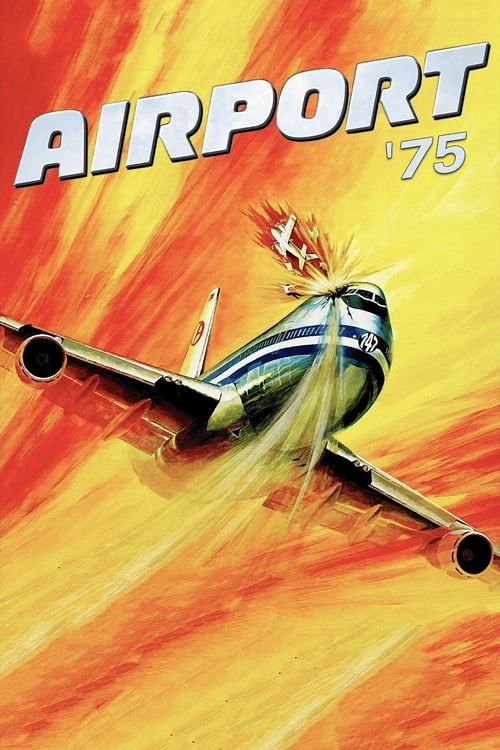
Airport 1975
When an in-flight collision incapacitates the pilots of an airplane bound for Los Angeles, stewardess Nancy Pryor is forced to take over the controls. From the ground, her boyfriend Alan Murdock, a retired test pilot, tries to talk her through piloting and landing the 747 aircraft. Worse yet, the anxious passengers — among which are a noisy nun and a cranky man — are aggravating the already tense atmosphere.
Despite its limited budget of $3.0M, Airport 1975 became a commercial juggernaut, earning $103.0M worldwide—a remarkable 3333% return. The film's innovative storytelling connected with viewers, confirming that strong storytelling can transcend budget limitations.


Plot Structure
Story beats plotted across runtime


Narrative Arc
Emotional journey through the story's key moments
Story Circle
Blueprint 15-beat structure
Arcplot Score Breakdown
Weighted: Precision (70%) + Arc (15%) + Theme (15%)
Airport 1975 (1974) showcases meticulously timed narrative design, characteristic of Jack Smight's storytelling approach. This structural analysis examines how the film's 15-point plot structure maps to proven narrative frameworks across 1 hour and 47 minutes. With an Arcplot score of 7.7, the film showcases strong structural fundamentals.
Characters
Cast & narrative archetypes

Nancy Pryor
Alan Murdock
Joe Patroni
Captain Stacy
Sister Ruth
Mrs. Patroni
Urias
Main Cast & Characters
Nancy Pryor
Played by Charlton Heston
Chief flight attendant who must take control of a crippled 747 after the crew is incapacitated. Remains calm under extreme pressure while maintaining passenger safety.
Alan Murdock
Played by Karen Black
Veteran airline pilot and Nancy's romantic interest who attempts a daring mid-air rescue. Decisive leader coordinating the ground response.
Joe Patroni
Played by George Kennedy
Airline troubleshooter and operations expert who helps coordinate the emergency rescue. Pragmatic problem-solver from the original Airport film.
Captain Stacy
Played by Efrem Zimbalist Jr.
Pilot of the 747 who is critically injured when a small plane collides with the cockpit. Professional aviator incapacitated early in the crisis.
Sister Ruth
Played by Helen Reddy
Nun and former nurse traveling to her mission who assists with medical emergencies aboard the aircraft. Compassionate caregiver under crisis.
Mrs. Patroni
Played by Susan Clark
Joe Patroni's wife, a passenger on the doomed flight who must deal with the terror of the situation. Represents the human cost of the disaster.
Urias
Played by Linda Blair
Critically ill young girl being transported for kidney treatment. Her deteriorating condition adds urgency to the rescue mission.
Structural Analysis
The Status Quo at 2 minutes (2% through the runtime) establishes Columbia Flight 409 departs Washington D.C. For Los Angeles with a full crew and passengers, including a young kidney patient. Nancy Pryor efficiently manages the cabin, establishing the routine professionalism of commercial aviation.. Significantly, this early placement immediately immerses viewers in the story world.
The inciting incident occurs at 12 minutes when Mid-air collision: the small aircraft crashes into the 747's cockpit, killing the co-pilot and flight engineer, critically injuring the captain, and leaving a gaping hole in the flight deck. The aircraft is now pilotless at 22,000 feet with 53 people aboard.. At 12% through the film, this Disruption aligns precisely with traditional story structure. This beat shifts the emotional landscape, launching the protagonist into the central conflict.
The First Threshold at 26 minutes marks the transition into Act II, occurring at 24% of the runtime. This shows the protagonist's commitment to Nancy makes the active choice to take the controls herself, despite having no pilot training. She commits to flying the aircraft under radio instruction, accepting responsibility for 53 lives. This irreversible decision transforms her from flight attendant to acting pilot., moving from reaction to action.
At 52 minutes, the Midpoint arrives at 49% of the runtime—precisely centered, creating perfect narrative symmetry. Of particular interest, this crucial beat False defeat: The first rescue attempt using a military helicopter fails disastrously when the helicopter gets caught in turbulence and nearly collides with the 747. The stakes raise—it becomes clear that a mid-air rescue may be impossible, and fuel is running low. The "easy" solution won't work., fundamentally raising what's at risk. The emotional intensity shifts, dividing the narrative into clear before-and-after phases.
The Collapse moment at 77 minutes (72% through) represents the emotional nadir. Here, The captain dies from his injuries, removing the last trained pilot aboard. Nancy breaks down emotionally, believing she cannot continue. The "whiff of death"—both literal (the captain) and metaphorical (Nancy's hope and confidence). She is utterly alone in the sky., reveals the protagonist at their lowest point. This beat's placement in the final quarter sets up the climactic reversal.
The Second Threshold at 84 minutes initiates the final act resolution at 79% of the runtime. Breakthrough: A daring plan is finalized to lower Alan from a helicopter through the hole in the cockpit while Nancy maintains stable flight. She synthesizes everything she's learned with her natural competence and courage. She's ready to trust herself and the plan., demonstrating the transformation achieved throughout the journey.
Emotional Journey
Airport 1975's emotional architecture traces a deliberate progression across 15 carefully calibrated beats.
Narrative Framework
This structural analysis employs structural analysis methodology used to understand storytelling architecture. By mapping Airport 1975 against these established plot points, we can identify how Jack Smight utilizes or subverts traditional narrative conventions. The plot point approach reveals not only adherence to structural principles but also creative choices that distinguish Airport 1975 within the drama genre.
Jack Smight's Structural Approach
Among the 4 Jack Smight films analyzed on Arcplot, the average structural score is 7.4, reflecting strong command of classical structure. Airport 1975 represents one of the director's most structurally precise works. For comparative analysis, explore the complete Jack Smight filmography.
Comparative Analysis
Additional drama films include After Thomas, South Pacific and Dirty Dancing: Havana Nights. For more Jack Smight analyses, see Damnation Alley, Midway and Harper.
Plot Points by Act
Act I
SetupStatus Quo
Columbia Flight 409 departs Washington D.C. for Los Angeles with a full crew and passengers, including a young kidney patient. Nancy Pryor efficiently manages the cabin, establishing the routine professionalism of commercial aviation.
Theme
A passenger comments on the crew's competence and how much trust we place in people we've never met when we fly—foreshadowing the extraordinary trust that will be required when ordinary people must do the impossible.
Worldbuilding
Establishment of the flight crew, passengers with various personal stories, Nancy's relationship with pilot Alan Murdock, and the VIP passengers including a nun escorting a sick child. Meanwhile, a small private plane with an ailing pilot takes off on a collision course.
Disruption
Mid-air collision: the small aircraft crashes into the 747's cockpit, killing the co-pilot and flight engineer, critically injuring the captain, and leaving a gaping hole in the flight deck. The aircraft is now pilotless at 22,000 feet with 53 people aboard.
Resistance
Nancy discovers the catastrophe and must overcome her shock. Ground control debates options while Nancy, with radio guidance from Alan Murdock, attempts to keep the damaged 747 flying. The airline, military, and FAA coordinate a rescue plan while passengers panic and crew struggle to maintain order.
Act II
ConfrontationFirst Threshold
Nancy makes the active choice to take the controls herself, despite having no pilot training. She commits to flying the aircraft under radio instruction, accepting responsibility for 53 lives. This irreversible decision transforms her from flight attendant to acting pilot.
Mirror World
Alan Murdock is introduced as Nancy's love interest and the experienced pilot who will guide her. Their relationship deepens as he becomes her lifeline—his calm voice and expertise representing the partnership and trust that embodies the film's theme.
Premise
The "promise of the premise"—watching an ordinary flight attendant pilot a jumbo jet. Nancy struggles with basic flight controls while Alan talks her through. Multiple rescue attempts are planned and abandoned. The sick child's condition worsens. Media coverage intensifies. The tension of impending disaster sustains throughout.
Midpoint
False defeat: The first rescue attempt using a military helicopter fails disastrously when the helicopter gets caught in turbulence and nearly collides with the 747. The stakes raise—it becomes clear that a mid-air rescue may be impossible, and fuel is running low. The "easy" solution won't work.
Opposition
Conditions deteriorate: weather worsens, fuel drops to critical levels, the injured captain dies, the sick child's condition becomes life-threatening, and Nancy's exhaustion mounts. The press creates external pressure. Every proposed solution has potentially fatal flaws. The clock is ticking.
Collapse
The captain dies from his injuries, removing the last trained pilot aboard. Nancy breaks down emotionally, believing she cannot continue. The "whiff of death"—both literal (the captain) and metaphorical (Nancy's hope and confidence). She is utterly alone in the sky.
Crisis
Nancy's dark night: she contemplates giving up, but Alan's voice brings her back. Passengers and crew rally around her with encouragement. She processes her fear and finds new resolve. The sick child needs her. Everyone needs her.
Act III
ResolutionSecond Threshold
Breakthrough: A daring plan is finalized to lower Alan from a helicopter through the hole in the cockpit while Nancy maintains stable flight. She synthesizes everything she's learned with her natural competence and courage. She's ready to trust herself and the plan.
Synthesis
The finale: Nancy executes precise flight maneuvers to position the aircraft for the helicopter transfer. Alan is successfully lowered into the cockpit. Together they prepare for an emergency landing. The landing is executed with the entire crew working in synthesis—Nancy, Alan, the surviving flight attendant, and passengers all contributing.
Transformation
The closing image: Nancy, exhausted but transformed, embraces Alan as emergency crews swarm the aircraft. She is no longer just a flight attendant but someone who proved capable of the impossible. The ordinary became extraordinary. Trust and courage prevailed.