
Harper
Lew Harper is a Los Angeles based private investigator whose marriage to Susan Harper, who he still loves, is ending in imminent divorce since she can't stand being second fiddle to his work, which is always taking him away at the most inopportune of times. His latest client is tough talking and physically disabled Elaine Sampson, who wants him to find her wealthy husband, Ralph Sampson, missing now for twenty-four hours, ever since he disappeared at Van Nuys Airport after having just arrived from Vegas. No one seems to like Ralph, Elaine included. She believes he is cavorting with another woman. Harper got the case on the recommendation of the Sampsons' lawyer and Harper's personal friend, milquetoast Albert Graves, who is unrequitedly in love with Sampson's seductive daughter, Miranda Sampson. Miranda, whom Harper later states throws herself at anything "pretty in pants", also has a decidedly cold relationship with her stepmother, Elaine. As Harper begins his investigation, he is often joined by one or two new sidekicks, Miranda, and/or Allan Taggert, Ralph Sampson's private pilot who was the last person to see him before his disappearance. Living on the Sampson estate, Taggert is also Miranda's casual boyfriend, although his heart lies elsewhere. (Harper nicknames Taggert "Beauty" for the latter's preppy good looks.) It is finally confirmed that Sampson has been kidnapped after a ransom note is received. As Harper follows leads, he ends up in the underbelly of Los Angeles, which includes encounters with Betty Fraley (a junkie lounge singer), Fay Estabrook (an ex-movie ingénue now an overweight alcoholic), and Claude (a religious cult leader). At each of Harper's stops, people seem to want to beat him up and/or kill him. The case takes a turn after they decide to pay the $500,000 ransom to see where it leads.
Despite its small-scale budget of $3.5M, Harper became a commercial success, earning $12.0M worldwide—a 243% return. The film's unconventional structure found its audience, showing that strong storytelling can transcend budget limitations.
1 win & 3 nominations


Plot Structure
Story beats plotted across runtime


Narrative Arc
Emotional journey through the story's key moments
Story Circle
Blueprint 15-beat structure
Arcplot Score Breakdown
Weighted: Precision (70%) + Arc (15%) + Theme (15%)
Harper (1966) reveals meticulously timed story structure, characteristic of Jack Smight's storytelling approach. This structural analysis examines how the film's 15-point plot structure maps to proven narrative frameworks across 2 hours and 1 minutes. With an Arcplot score of 7.1, the film balances conventional beats with creative variation.
Characters
Cast & narrative archetypes
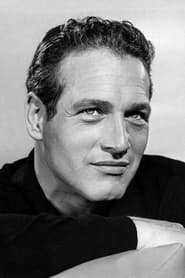
Lew Harper

Elaine Sampson
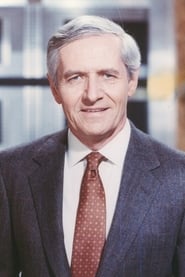
Albert Graves

Miranda Sampson

Susan Harper

Betty Fraley

Allan Taggert

Fay Estabrook
Main Cast & Characters
Lew Harper
Played by Paul Newman
A wisecracking, cynical private detective hired to find a missing millionaire in Los Angeles.
Elaine Sampson
Played by Lauren Bacall
The cold, bitter wife of missing millionaire Ralph Sampson who hires Harper.
Albert Graves
Played by Arthur Hill
The Sampson family lawyer and confidant who serves as intermediary for the case.
Miranda Sampson
Played by Pamela Tiffin
Ralph Sampson's wild, spoiled daughter who becomes involved with Harper.
Susan Harper
Played by Janet Leigh
Lew Harper's estranged wife who still cares for him despite their separation.
Betty Fraley
Played by Julie Harris
An aging, alcoholic former movie star connected to the kidnapping conspiracy.
Allan Taggert
Played by Robert Wagner
A smooth-talking nightclub owner and small-time smuggler involved in the case.
Fay Estabrook
Played by Shelley Winters
A seductive lounge singer who becomes Harper's informant and romantic interest.
Structural Analysis
The Status Quo at 1 minutes (1% through the runtime) establishes Harper wakes alone in his shabby office, reusing yesterday's coffee grounds - establishing him as a down-on-his-luck private eye, divorced and cynical, scraping by on the margins.. Of particular interest, this early placement immediately immerses viewers in the story world.
The inciting incident occurs at 15 minutes when Mrs. Sampson hires Harper to find her missing husband Ralph, who has disappeared under mysterious circumstances. Despite the difficult client, Harper takes the case, setting his investigation in motion.. At 13% through the film, this Disruption is delayed, allowing extended setup of the story world. This beat shifts the emotional landscape, launching the protagonist into the central conflict.
The First Threshold at 31 minutes marks the transition into Act II, occurring at 25% of the runtime. This illustrates the protagonist's commitment to Harper discovers that Ralph Sampson has been kidnapped when he finds evidence at Fay Estabrook's place connecting her to a criminal conspiracy. He commits fully to the investigation, knowing it has become dangerous., moving from reaction to action.
At 62 minutes, the Midpoint arrives at 51% of the runtime—precisely centered, creating perfect narrative symmetry. The analysis reveals that this crucial beat Harper locates where Sampson is being held and believes he's close to solving the case. A false victory - he thinks he understands the conspiracy, but the true depth of betrayal and the identity of the mastermind remain hidden., fundamentally raising what's at risk. The emotional intensity shifts, dividing the narrative into clear before-and-after phases.
The Collapse moment at 90 minutes (75% through) represents the emotional nadir. Here, Harper finds Ralph Sampson dead - murdered by the kidnappers despite the ransom being paid. The case he worked so hard to solve ends in failure; he couldn't save his client. The whiff of death is literal and devastating., shows the protagonist at their lowest point. This beat's placement in the final quarter sets up the climactic reversal.
The Second Threshold at 97 minutes initiates the final act resolution at 81% of the runtime. Harper pieces together the final truth: Albert Graves, the trusted family lawyer and his friend, orchestrated the kidnapping. With this devastating realization, Harper must confront Graves and decide what kind of justice to pursue., demonstrating the transformation achieved throughout the journey.
Emotional Journey
Harper's emotional architecture traces a deliberate progression across 15 carefully calibrated beats.
Narrative Framework
This structural analysis employs structural analysis methodology used to understand storytelling architecture. By mapping Harper against these established plot points, we can identify how Jack Smight utilizes or subverts traditional narrative conventions. The plot point approach reveals not only adherence to structural principles but also creative choices that distinguish Harper within the crime genre.
Jack Smight's Structural Approach
Among the 4 Jack Smight films analyzed on Arcplot, the average structural score is 7.4, reflecting strong command of classical structure. Harper takes a more unconventional approach compared to the director's typical style. For comparative analysis, explore the complete Jack Smight filmography.
Comparative Analysis
Additional crime films include The Bad Guys, Rustom and The Whole Ten Yards. For more Jack Smight analyses, see Damnation Alley, Midway and Airport 1975.
Plot Points by Act
Act I
SetupStatus Quo
Harper wakes alone in his shabby office, reusing yesterday's coffee grounds - establishing him as a down-on-his-luck private eye, divorced and cynical, scraping by on the margins.
Theme
Albert Graves tells Harper that the Sampson family is built on secrets and lies, suggesting that wealth cannot hide moral corruption - foreshadowing that the case will expose ugly truths beneath respectable surfaces.
Worldbuilding
Harper's world is established: his estranged wife Susan wants a divorce, he's broke but principled, and he navigates between the wealthy Sampson estate and his own modest existence. We meet key players including Mrs. Sampson, her stepdaughter Miranda, and family lawyer Albert Graves.
Disruption
Mrs. Sampson hires Harper to find her missing husband Ralph, who has disappeared under mysterious circumstances. Despite the difficult client, Harper takes the case, setting his investigation in motion.
Resistance
Harper debates taking the case while gathering initial information. He interviews the pilot Alan Taggert, visits faded actress Fay Estabrook who was Ralph's mistress, and begins to sense the case involves more than a simple disappearance. His ex-wife Susan provides both emotional counterpoint and practical assistance.
Act II
ConfrontationFirst Threshold
Harper discovers that Ralph Sampson has been kidnapped when he finds evidence at Fay Estabrook's place connecting her to a criminal conspiracy. He commits fully to the investigation, knowing it has become dangerous.
Mirror World
Harper reconnects with Susan, his ex-wife, who represents the life and moral center he's lost. Their scenes together reveal what Harper sacrificed for his work - she embodies the theme of whether people can change or are trapped by their nature.
Premise
Harper works the case like a classic gumshoe, following leads through L.A.'s underbelly. He infiltrates the religious cult of Claude, confronts jazz musician Betty Fraley, gets beaten up, and pieces together a kidnapping plot involving smuggling. The detective work showcases the noir atmosphere and Harper's relentless style.
Midpoint
Harper locates where Sampson is being held and believes he's close to solving the case. A false victory - he thinks he understands the conspiracy, but the true depth of betrayal and the identity of the mastermind remain hidden.
Opposition
The case becomes increasingly violent and complex. Harper is beaten, threatened, and discovers layers of betrayal. The kidnappers become more desperate, and Harper realizes people he trusted are involved. The ransom exchange is planned but complications multiply as the conspiracy unravels.
Collapse
Harper finds Ralph Sampson dead - murdered by the kidnappers despite the ransom being paid. The case he worked so hard to solve ends in failure; he couldn't save his client. The whiff of death is literal and devastating.
Crisis
Harper processes the death and the moral corruption of everyone involved. He must decide how to proceed knowing that justice through official channels may be impossible, and that someone close to the family is responsible.
Act III
ResolutionSecond Threshold
Harper pieces together the final truth: Albert Graves, the trusted family lawyer and his friend, orchestrated the kidnapping. With this devastating realization, Harper must confront Graves and decide what kind of justice to pursue.
Synthesis
Harper confronts Albert Graves with the evidence. Graves confesses, explaining his motivations - he was in love with Mrs. Sampson and thought removing Ralph would free her. Harper faces the moral dilemma of turning in his friend or letting him escape. The finale explores the cost of truth.
Transformation
Harper lets Graves begin to walk away, then turns back - he cannot abandon his principles despite the personal cost. The final image shows Harper as a man trapped by his own code, unable to escape his nature as the cynic who still believes in justice.