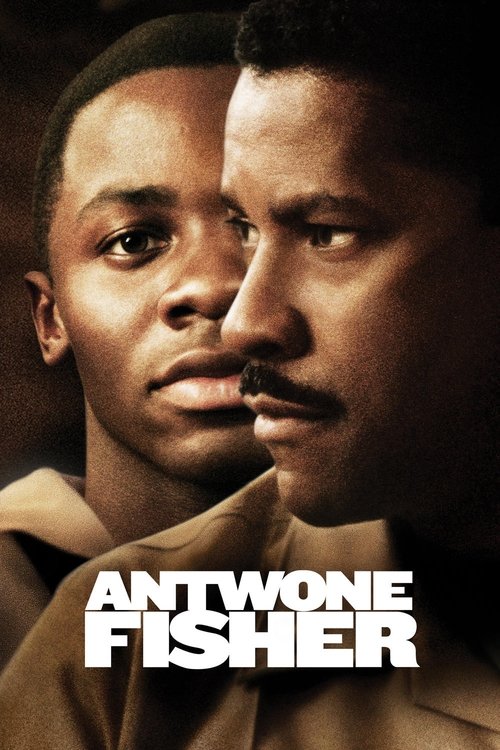
Antwone Fisher
A sailor prone to violent outbursts is sent to a naval psychiatrist for help. Refusing at first to open up, the young man eventually breaks down and reveals a horrific childhood. Through the guidance of his doctor, he confronts his painful past and begins a quest to find the family he never knew.
Working with a small-scale budget of $12.5M, the film achieved a respectable showing with $23.4M in global revenue (+87% profit margin).
19 wins & 22 nominations


Plot Structure
Story beats plotted across runtime


Narrative Arc
Emotional journey through the story's key moments
Story Circle
Blueprint 15-beat structure
Arcplot Score Breakdown
Weighted: Precision (70%) + Arc (15%) + Theme (15%)
Antwone Fisher (2002) reveals deliberately positioned narrative architecture, characteristic of Denzel Washington's storytelling approach. This structural analysis examines how the film's 15-point plot structure maps to proven narrative frameworks across 2 hours. With an Arcplot score of 7.0, the film balances conventional beats with creative variation.
Characters
Cast & narrative archetypes

Antwone Fisher
Dr. Jerome Davenport
Cheryl Smolley
Berta Davenport
Mrs. Tate
Eva Mae Fisher
Main Cast & Characters
Antwone Fisher
Played by Derek Luke
A troubled Navy sailor with a violent temper who confronts his traumatic past through therapy.
Dr. Jerome Davenport
Played by Denzel Washington
A compassionate Navy psychiatrist who helps Antwone heal while dealing with his own personal struggles.
Cheryl Smolley
Played by Joy Bryant
A fellow Navy sailor and Antwone's love interest who shows patience and understanding.
Berta Davenport
Played by Salli Richardson-Whitfield
Dr. Davenport's wife, dealing with distance in their marriage due to emotional barriers.
Mrs. Tate
Played by Novella Nelson
Antwone's abusive foster mother who subjected him to severe physical and emotional abuse.
Eva Mae Fisher
Played by Viola Davis
Antwone's birth mother who abandoned him, representing his deepest wound and ultimate confrontation.
Structural Analysis
The Status Quo at 1 minutes (1% through the runtime) establishes Antwone Fisher sits alone in the Navy mess hall, isolated and visibly troubled. His anger simmers beneath the surface as he endures the routine of military life, showing a man trapped by his past and unable to connect with others.. Structural examination shows that this early placement immediately immerses viewers in the story world.
The inciting incident occurs at 14 minutes when Dr. Davenport gives Antwone an ultimatum: open up in therapy or face discharge from the Navy. The three-session limit is established, creating urgency. Antwone's comfortable pattern of silence and avoidance is no longer sustainable.. At 11% through the film, this Disruption aligns precisely with traditional story structure. This beat shifts the emotional landscape, launching the protagonist into the central conflict.
The First Threshold at 29 minutes marks the transition into Act II, occurring at 24% of the runtime. This illustrates the protagonist's commitment to Antwone makes the active choice to continue therapy beyond the mandated sessions. He returns voluntarily to Dr. Davenport and begins to truly open up about his past, sharing the painful details of his childhood abuse by Mrs. Tate. This is his decision to pursue healing., moving from reaction to action.
At 59 minutes, the Midpoint arrives at 50% of the runtime—precisely centered, creating perfect narrative symmetry. Structural examination shows that this crucial beat False victory: Antwone experiences his first healthy sexual encounter with Cheryl, overcoming his trauma enough to be intimate without violence or fear. He feels hope that he can have a normal life. However, the stakes raise—Dr. Davenport suggests Antwone must confront his past directly by finding his real family., fundamentally raising what's at risk. The emotional intensity shifts, dividing the narrative into clear before-and-after phases.
The Collapse moment at 88 minutes (73% through) represents the emotional nadir. Here, Antwone returns to Cleveland and confronts Mrs. Tate, his abusive foster mother. She shows no remorse, denying his pain and dismissing him. The hoped-for apology or acknowledgment never comes—his childhood pain cannot be retroactively healed. This rejection represents the "death" of his fantasy of closure from his abusers., illustrates the protagonist at their lowest point. This beat's placement in the final quarter sets up the climactic reversal.
The Second Threshold at 95 minutes initiates the final act resolution at 79% of the runtime. Antwone locates his mother's family and learns his father was murdered before his birth and his mother was incarcerated while pregnant. He realizes his identity isn't defined by those who hurt him, but by those who share his blood and want to know him. He synthesizes Dr. Davenport's lessons: his worth comes from within., demonstrating the transformation achieved throughout the journey.
Emotional Journey
Antwone Fisher's emotional architecture traces a deliberate progression across 15 carefully calibrated beats.
Narrative Framework
This structural analysis employs systematic plot point analysis that identifies crucial turning points. By mapping Antwone Fisher against these established plot points, we can identify how Denzel Washington utilizes or subverts traditional narrative conventions. The plot point approach reveals not only adherence to structural principles but also creative choices that distinguish Antwone Fisher within the drama genre.
Denzel Washington's Structural Approach
Among the 4 Denzel Washington films analyzed on Arcplot, the average structural score is 7.3, reflecting strong command of classical structure. Antwone Fisher takes a more unconventional approach compared to the director's typical style. For comparative analysis, explore the complete Denzel Washington filmography.
Comparative Analysis
Additional drama films include After Thomas, South Pacific and Dirty Dancing: Havana Nights. For more Denzel Washington analyses, see Fences, A Journal for Jordan and The Great Debaters.
Plot Points by Act
Act I
SetupStatus Quo
Antwone Fisher sits alone in the Navy mess hall, isolated and visibly troubled. His anger simmers beneath the surface as he endures the routine of military life, showing a man trapped by his past and unable to connect with others.
Theme
Dr. Jerome Davenport tells Antwone during their first session: "You have a choice. You can either stay angry and let it destroy you, or you can deal with it." This encapsulates the film's central theme about confronting trauma to achieve healing and self-worth.
Worldbuilding
Establishment of Antwone's troubled military life. We see his violent outburst after being provoked by a fellow sailor, his mandatory assignment to psychiatric sessions, his nightmares of childhood abuse, and his initial resistance to Dr. Davenport's help. We learn he's an orphan with no family connections.
Disruption
Dr. Davenport gives Antwone an ultimatum: open up in therapy or face discharge from the Navy. The three-session limit is established, creating urgency. Antwone's comfortable pattern of silence and avoidance is no longer sustainable.
Resistance
Antwone resists therapy, testing Dr. Davenport with silence and minimal responses. He begins to reveal fragments of his traumatic past: foster care abuse, sexual molestation, and brutal physical punishment. Cheryl, a fellow sailor, shows romantic interest, but Antwone pushes her away, unable to trust or connect intimately.
Act II
ConfrontationFirst Threshold
Antwone makes the active choice to continue therapy beyond the mandated sessions. He returns voluntarily to Dr. Davenport and begins to truly open up about his past, sharing the painful details of his childhood abuse by Mrs. Tate. This is his decision to pursue healing.
Mirror World
Antwone's relationship with Cheryl deepens as he takes her on a proper date. She represents healthy love, patience, and acceptance—everything he never experienced. Their relationship becomes the emotional counterpoint to his therapeutic journey, showing him what he's capable of when he opens his heart.
Premise
The promise of the premise: can therapy heal deep childhood trauma? Antwone explores his capacity for emotional intimacy with Cheryl while excavating painful memories with Dr. Davenport. We see flashbacks of his abuse juxtaposed with tentative steps toward vulnerability. Dr. Davenport becomes a father figure, modeling healthy masculinity.
Midpoint
False victory: Antwone experiences his first healthy sexual encounter with Cheryl, overcoming his trauma enough to be intimate without violence or fear. He feels hope that he can have a normal life. However, the stakes raise—Dr. Davenport suggests Antwone must confront his past directly by finding his real family.
Opposition
Antwone resists the idea of finding his family, fearing rejection. Dr. Davenport pushes harder, revealing his own marital struggles (modeling vulnerability). The therapy intensifies as Antwone must decide whether to remain a victim of his past or actively reclaim his identity. Tension builds as the Navy deployment looms.
Collapse
Antwone returns to Cleveland and confronts Mrs. Tate, his abusive foster mother. She shows no remorse, denying his pain and dismissing him. The hoped-for apology or acknowledgment never comes—his childhood pain cannot be retroactively healed. This rejection represents the "death" of his fantasy of closure from his abusers.
Crisis
Antwone processes the pain of Mrs. Tate's rejection. He sits alone, devastated, questioning whether the journey was worth it. The emotional wound feels as raw as ever. He must find meaning in his quest beyond receiving an apology that will never come.
Act III
ResolutionSecond Threshold
Antwone locates his mother's family and learns his father was murdered before his birth and his mother was incarcerated while pregnant. He realizes his identity isn't defined by those who hurt him, but by those who share his blood and want to know him. He synthesizes Dr. Davenport's lessons: his worth comes from within.
Synthesis
Antwone meets his extended family—aunts, uncles, cousins who welcome him with open arms and a massive feast. He meets his imprisoned mother, offering forgiveness she never asked for, freeing himself from hatred. He returns to say goodbye to Dr. Davenport, now as an equal, a whole person. The finale resolves all relationships.
Transformation
Antwone walks confidently with Cheryl, smiling genuinely. He is no longer the isolated, angry man from the opening. He has found family, love, and self-worth. The final image mirrors the opening isolation with connection, anger with peace, and victimhood with agency. He is transformed.