Attack on Titan
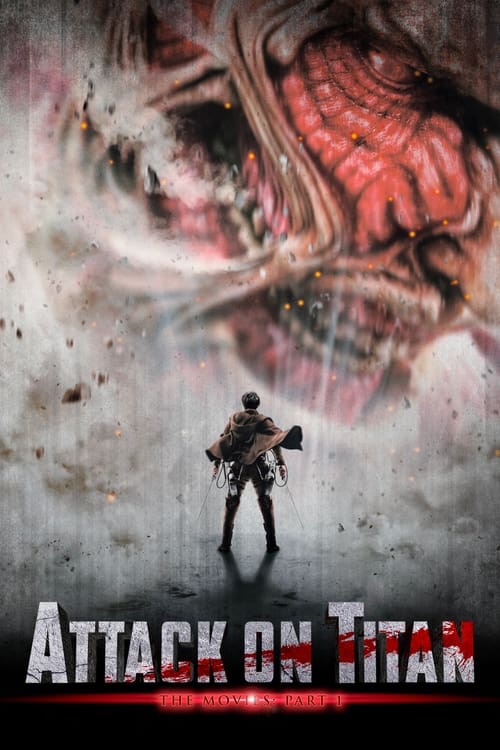
100 years ago, titans suddenly appeared on Earth. Soon, human civilization veered on collapse due to the titans. Humans then built a giant wall to defend themselves. Within the giant walls, humans lived in peace, but, 100 years later, the giant wall is broken.
The film earned $30.8M at the global box office.


Plot Structure
Story beats plotted across runtime


Narrative Arc
Emotional journey through the story's key moments
Story Circle
Blueprint 15-beat structure
Arcplot Score Breakdown
Weighted: Precision (70%) + Arc (15%) + Theme (15%)
Attack on Titan (2015) exhibits strategically placed plot construction, characteristic of Shinji Higuchi's storytelling approach. This structural analysis examines how the film's 15-point plot structure maps to proven narrative frameworks across 1 hour and 38 minutes. With an Arcplot score of 7.4, the film balances conventional beats with creative variation.
Characters
Cast & narrative archetypes

Eren Yeager
Mikasa Ackerman
Armin Arlert
Shikishima
Hange Zoe
Sasha Blouse
Jean Kirstein
Main Cast & Characters
Eren Yeager
Played by Haruma Miura
Determined young man seeking revenge against the Titans who destroyed his world and dreams of seeing the world beyond the walls.
Mikasa Ackerman
Played by Kiko Mizuhara
Skilled fighter and Eren's close companion, fiercely protective and one of humanity's strongest soldiers.
Armin Arlert
Played by Kanata Hongo
Strategic thinker and Eren's childhood friend who relies on intelligence over physical strength.
Shikishima
Played by Hiroki Hasegawa
Elite soldier and humanity's strongest fighter who serves as a mentor and rival to Eren.
Hange Zoe
Played by Satomi Ishihara
Eccentric scientist obsessed with studying Titans and developing weapons to fight them.
Sasha Blouse
Played by Nanami Sakuraba
Soldier known for her combat skills and surprising bravery despite humble origins.
Jean Kirstein
Played by Takahiro Miura
Pragmatic soldier who initially clashes with Eren but shows leadership potential.
Structural Analysis
The Status Quo at 1 minutes (1% through the runtime) establishes Humanity lives behind massive walls in a post-apocalyptic world. Eren and his friends live peaceful lives within the protected district, dreaming of exploring the world beyond the walls.. Of particular interest, this early placement immediately immerses viewers in the story world.
The inciting incident occurs at 11 minutes when The Colossal Titan breaches the outer wall. Titans flood into the district, destroying the status quo and massacring civilians. Eren witnesses Mikasa apparently being killed, shattering his world.. At 12% through the film, this Disruption aligns precisely with traditional story structure. This beat shifts the emotional landscape, launching the protagonist into the central conflict.
The First Threshold at 24 minutes marks the transition into Act II, occurring at 24% of the runtime. This reveals the protagonist's commitment to Eren and the Scout Regiment embark on the dangerous mission beyond the walls into Titan territory. This active choice to leave safety represents commitment to fight rather than hide., moving from reaction to action.
At 50 minutes, the Midpoint arrives at 51% of the runtime—precisely centered, creating perfect narrative symmetry. The analysis reveals that this crucial beat Eren is seemingly killed and devoured by a Titan during a battle, devastating the survivors. The mission appears doomed without their emotional core, and Mikasa begins to shut down emotionally (false defeat)., fundamentally raising what's at risk. The emotional intensity shifts, dividing the narrative into clear before-and-after phases.
The Collapse moment at 72 minutes (74% through) represents the emotional nadir. Here, The Rogue Titan is revealed to be Eren, who has transformed. However, military leadership brands him a threat to humanity. Facing execution by his own people, Eren confronts the loss of his identity and purpose - the "death" of who he thought he was., indicates the protagonist at their lowest point. This beat's placement in the final quarter sets up the climactic reversal.
The Second Threshold at 78 minutes initiates the final act resolution at 80% of the runtime. Eren accepts his Titan power as a tool rather than a curse. His friends, led by Mikasa and Armin, choose to trust him. Leadership reluctantly agrees to let Eren attempt to use his ability to seal the wall breach and complete the mission., demonstrating the transformation achieved throughout the journey.
Emotional Journey
Attack on Titan's emotional architecture traces a deliberate progression across 15 carefully calibrated beats.
Narrative Framework
This structural analysis employs a 15-point narrative structure framework that maps key story moments. By mapping Attack on Titan against these established plot points, we can identify how Shinji Higuchi utilizes or subverts traditional narrative conventions. The plot point approach reveals not only adherence to structural principles but also creative choices that distinguish Attack on Titan within the horror genre.
Shinji Higuchi's Structural Approach
Among the 5 Shinji Higuchi films analyzed on Arcplot, the average structural score is 7.1, reflecting strong command of classical structure. Attack on Titan represents one of the director's most structurally precise works. For comparative analysis, explore the complete Shinji Higuchi filmography.
Comparative Analysis
Additional horror films include Thinner, A Nightmare on Elm Street and Mary Reilly. For more Shinji Higuchi analyses, see Shin Godzilla, Lorelei: The Witch of the Pacific Ocean and Japan Sinks.
Plot Points by Act
Act I
SetupStatus Quo
Humanity lives behind massive walls in a post-apocalyptic world. Eren and his friends live peaceful lives within the protected district, dreaming of exploring the world beyond the walls.
Theme
A character states that those who don't fight can't survive, and true freedom requires breaking through barriers - establishing the theme of courage versus complacency and the cost of safety over freedom.
Worldbuilding
Establishment of the walled city, the 100-year peace since the Titans appeared, Eren's relationship with Mikasa and Armin, and the society's fear-based stagnation. The younger generation questions why humanity has stopped trying to reclaim the world.
Disruption
The Colossal Titan breaches the outer wall. Titans flood into the district, destroying the status quo and massacring civilians. Eren witnesses Mikasa apparently being killed, shattering his world.
Resistance
Two years later. Eren has joined the Scout Regiment tasked with venturing outside the walls. He struggles with trauma and survivor's guilt. Military commanders debate strategy for the expedition to reclaim territory and seal the wall breach.
Act II
ConfrontationFirst Threshold
Eren and the Scout Regiment embark on the dangerous mission beyond the walls into Titan territory. This active choice to leave safety represents commitment to fight rather than hide.
Mirror World
Eren discovers Mikasa is alive, having survived the initial attack. Their reunion introduces the emotional subplot exploring themes of protection, attachment, and what we fight for beyond mere survival.
Premise
The Scout Regiment navigates Titan-infested territory, using their Vertical Maneuvering Equipment in intense action sequences. Team members are picked off one by one. The group seeks to reach the breach and plant explosives to seal it.
Midpoint
Eren is seemingly killed and devoured by a Titan during a battle, devastating the survivors. The mission appears doomed without their emotional core, and Mikasa begins to shut down emotionally (false defeat).
Opposition
The surviving scouts face overwhelming Titan attacks with dwindling supplies and hope. Internal conflicts emerge about leadership and the mission's futility. A mysterious Rogue Titan appears fighting other Titans, creating confusion about friend versus foe.
Collapse
The Rogue Titan is revealed to be Eren, who has transformed. However, military leadership brands him a threat to humanity. Facing execution by his own people, Eren confronts the loss of his identity and purpose - the "death" of who he thought he was.
Crisis
Eren grapples with what he has become and whether he's human or monster. His comrades debate whether to trust him or kill him. The emotional darkness of uncertain identity and being rejected by those he sought to protect.
Act III
ResolutionSecond Threshold
Eren accepts his Titan power as a tool rather than a curse. His friends, led by Mikasa and Armin, choose to trust him. Leadership reluctantly agrees to let Eren attempt to use his ability to seal the wall breach and complete the mission.
Synthesis
Eren in Titan form carries the boulder to seal the wall breach while his comrades defend him from other Titans. Massive battle combining human ingenuity with Eren's brute strength. The team works together to achieve what seemed impossible.
Transformation
The wall is sealed. Eren emerges from his Titan form, accepted by his comrades as both human and weapon. Where he once dreamed passively of the outside world, he now actively fights to reclaim it, embodying the courage the theme demanded.