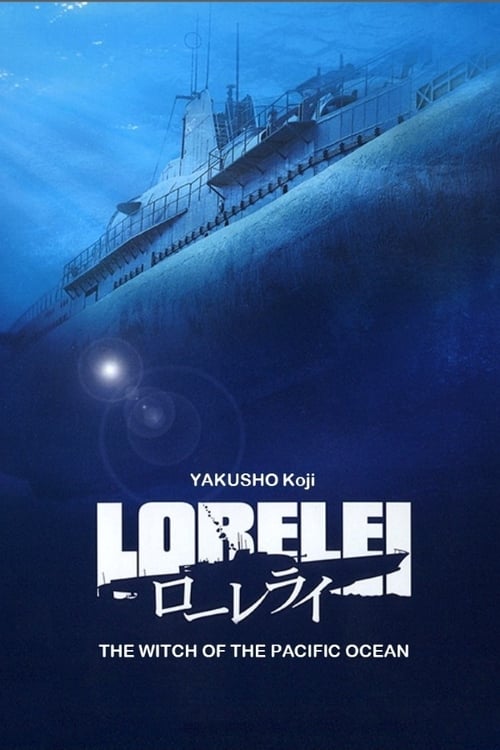
Lorelei: The Witch of the Pacific Ocean
A drama set during World War II where a submarine carrying a secret weapon attempts to stop a planned third atomic bombing of Japan. Based on Harutoshi Fukui's novel Shuusen no Lorelei.
Despite its limited budget of $9.5M, Lorelei: The Witch of the Pacific Ocean became a box office success, earning $19.8M worldwide—a 108% return.
Plot Structure
Story beats plotted across runtime


Narrative Arc
Emotional journey through the story's key moments
Story Circle
Blueprint 15-beat structure
Arcplot Score Breakdown
Weighted: Precision (70%) + Arc (15%) + Theme (15%)
Lorelei: The Witch of the Pacific Ocean (2005) demonstrates meticulously timed story structure, characteristic of Shinji Higuchi's storytelling approach. This structural analysis examines how the film's 15-point plot structure maps to proven narrative frameworks across 2 hours and 8 minutes. With an Arcplot score of 6.7, the film balances conventional beats with creative variation.
Characters
Cast & narrative archetypes

Masami Shin'ichi
Paula Atsuko
Takasu Yukito
Origasa Yutaka
Admiral Asakura
Narumi Takasu
Main Cast & Characters
Masami Shin'ichi
Played by Koji Yakusho
Commander of the I-507 submarine who leads a desperate mission to prevent nuclear attack on Japan. A principled officer torn between duty and the moral weight of preventing catastrophe.
Paula Atsuko
Played by Satoshi Tsumabuki
The mysterious woman with psychic abilities who operates the Lorelei system. Her supernatural connection to the submarine becomes crucial to the mission.
Takasu Yukito
Played by Toshiro Yanagiba
First officer and loyal second-in-command who supports Masami throughout the impossible mission. A steadfast ally who embodies military discipline.
Origasa Yutaka
Played by Ken Ishiguro
Chief engineer aboard the I-507 who keeps the advanced submarine operational. Technical expert essential to the mission's success.
Admiral Asakura
Played by Shinichi Tsutsumi
High-ranking naval officer who provides strategic guidance and authorizes the secret mission. A mentor figure from the old Imperial Navy.
Narumi Takasu
Played by Yu Kashii
Young sonar operator whose skills are vital for navigating and combat. Represents the new generation of naval officers.
Structural Analysis
The Status Quo at 2 minutes (1% through the runtime) establishes August 1945: Japan faces imminent defeat as Commander Masami Asakura lives in disgrace after his submarine was sunk, now working a menial shore assignment as the war reaches its final days.. Significantly, this early placement immediately immerses viewers in the story world.
The inciting incident occurs at 15 minutes when Asakura is unexpectedly summoned and offered command of the I-507 submarine with the Lorelei system for a top-secret mission that could prevent the atomic bombing of Japan and save millions of lives.. At 12% through the film, this Disruption aligns precisely with traditional story structure. This beat shifts the emotional landscape, launching the protagonist into the central conflict.
The First Threshold at 33 minutes marks the transition into Act II, occurring at 26% of the runtime. This reveals the protagonist's commitment to Asakura makes the definitive choice to accept command and boards the I-507, committing himself and his crew to the mission. The submarine departs on its dangerous voyage into enemy waters., moving from reaction to action.
At 65 minutes, the Midpoint arrives at 50% of the runtime—precisely centered, creating perfect narrative symmetry. Significantly, this crucial beat False victory: The I-507 successfully intercepts critical intelligence about the planned atomic bombing mission, confirming the target and timing. The crew believes they can prevent the bombing and change history - but they're now deep in enemy territory with the entire U.S. Navy hunting them., fundamentally raising what's at risk. The emotional intensity shifts, dividing the narrative into clear before-and-after phases.
The Collapse moment at 96 minutes (75% through) represents the emotional nadir. Here, The I-507 suffers catastrophic damage from a coordinated enemy attack. Paula collapses from the strain of the Lorelei system. Asakura receives word that the atomic bomb has already been dropped on Hiroshima - they failed to prevent it. The mission, and all their sacrifices, seem to have been for nothing., indicates the protagonist at their lowest point. This beat's placement in the final quarter sets up the climactic reversal.
The Second Threshold at 102 minutes initiates the final act resolution at 80% of the runtime. Asakura realizes that while they couldn't prevent Hiroshima, they can still prevent the second bomb on Nagasaki and save countless lives. He synthesizes his duty as a commander with his newfound understanding of fighting for life, not just honor. The crew rallies for one final mission., demonstrating the transformation achieved throughout the journey.
Emotional Journey
Lorelei: The Witch of the Pacific Ocean's emotional architecture traces a deliberate progression across 15 carefully calibrated beats.
Narrative Framework
This structural analysis employs systematic plot point analysis that identifies crucial turning points. By mapping Lorelei: The Witch of the Pacific Ocean against these established plot points, we can identify how Shinji Higuchi utilizes or subverts traditional narrative conventions. The plot point approach reveals not only adherence to structural principles but also creative choices that distinguish Lorelei: The Witch of the Pacific Ocean within the drama genre.
Shinji Higuchi's Structural Approach
Among the 5 Shinji Higuchi films analyzed on Arcplot, the average structural score is 7.1, reflecting strong command of classical structure. Lorelei: The Witch of the Pacific Ocean takes a more unconventional approach compared to the director's typical style. For comparative analysis, explore the complete Shinji Higuchi filmography.
Comparative Analysis
Additional drama films include After Thomas, South Pacific and Dirty Dancing: Havana Nights. For more Shinji Higuchi analyses, see Shin Godzilla, Attack on Titan and Japan Sinks.
Plot Points by Act
Act I
SetupStatus Quo
August 1945: Japan faces imminent defeat as Commander Masami Asakura lives in disgrace after his submarine was sunk, now working a menial shore assignment as the war reaches its final days.
Theme
A superior officer tells Asakura: "Sometimes a man must sacrifice everything for a cause greater than himself." This establishes the film's exploration of duty, sacrifice, and redemption.
Worldbuilding
Introduction to Japan's desperate final days of WWII, Asakura's disgraced status, the military hierarchy, and the reveal of the secret I-507 submarine equipped with the mysterious Lorelei system - a sonar weapon that could change the war's outcome.
Disruption
Asakura is unexpectedly summoned and offered command of the I-507 submarine with the Lorelei system for a top-secret mission that could prevent the atomic bombing of Japan and save millions of lives.
Resistance
Asakura debates accepting the dangerous mission, learns about the Lorelei system from the mysterious Paula Atsuko, meets his ragtag crew, and grapples with doubts about whether this mission is suicide or redemption. He studies the submarine's capabilities and the mission parameters.
Act II
ConfrontationFirst Threshold
Asakura makes the definitive choice to accept command and boards the I-507, committing himself and his crew to the mission. The submarine departs on its dangerous voyage into enemy waters.
Mirror World
Asakura begins developing a relationship with Paula, the German-Japanese woman who operates the Lorelei system. She represents hope, humanity, and a future beyond war - teaching him that there's more to fight for than just duty.
Premise
The crew masters the Lorelei system through tense submarine warfare encounters. They evade American destroyers using the advanced sonar, bond as a crew, and make progress toward their objective while experiencing the "fun" of being the hunters with superior technology.
Midpoint
False victory: The I-507 successfully intercepts critical intelligence about the planned atomic bombing mission, confirming the target and timing. The crew believes they can prevent the bombing and change history - but they're now deep in enemy territory with the entire U.S. Navy hunting them.
Opposition
American forces intensify their hunt for the I-507. The submarine endures depth charge attacks, mechanical failures, and dwindling supplies. Internal conflicts arise as crew members question the mission. Asakura learns the full truth about Japan's situation and realizes the mission may be futile. Paula's health deteriorates from operating the Lorelei system.
Collapse
The I-507 suffers catastrophic damage from a coordinated enemy attack. Paula collapses from the strain of the Lorelei system. Asakura receives word that the atomic bomb has already been dropped on Hiroshima - they failed to prevent it. The mission, and all their sacrifices, seem to have been for nothing.
Crisis
Asakura faces despair as crew members die, the submarine is crippled, and Japan's defeat is certain. He confronts the meaning of their sacrifice and whether to continue or surrender. The crew mourns their losses in the darkness of the damaged submarine.
Act III
ResolutionSecond Threshold
Asakura realizes that while they couldn't prevent Hiroshima, they can still prevent the second bomb on Nagasaki and save countless lives. He synthesizes his duty as a commander with his newfound understanding of fighting for life, not just honor. The crew rallies for one final mission.
Synthesis
The crippled I-507 makes a desperate final run to intercept the second bombing mission. Asakura uses everything he's learned, combining traditional tactics with the Lorelei system. The crew executes a sacrificial plan to transmit false information and force the cancellation of the Nagasaki mission, knowing it will likely mean their deaths.
Transformation
The I-507's sacrifice succeeds - the second bombing is prevented. Asakura, having found redemption not in military glory but in saving lives, makes peace with his fate. The final image shows hope emerging from sacrifice, transformed from a disgraced officer seeking death to a hero who chose life.