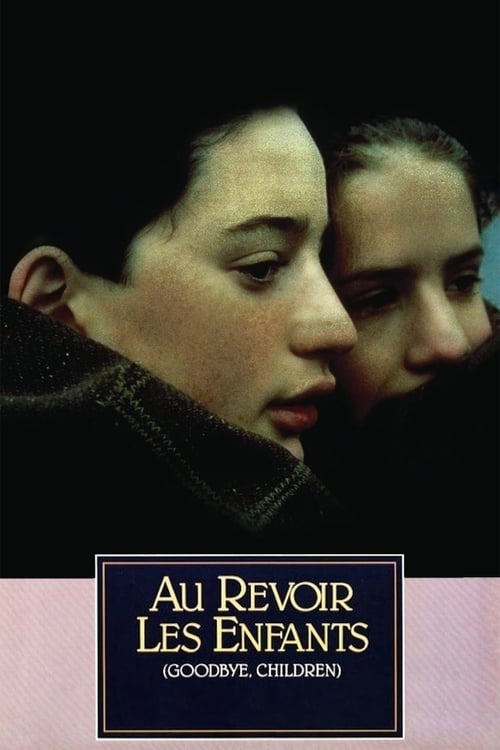
Au Revoir les Enfants
Au revoir les enfants tells a heartbreaking story of friendship and devastating loss concerning two boys living in Nazi-occupied France. At a provincial Catholic boarding school, the precocious youths enjoy true camaraderie—until a secret is revealed. Based on events from writer-director Malle’s own childhood, the film is a subtle, precisely observed tale of courage, cowardice, and tragic awakening.
Working with a limited budget of $3.0M, the film achieved a steady performer with $4.5M in global revenue (+51% profit margin).
Nominated for 2 Oscars. 28 wins & 12 nominations


Plot Structure
Story beats plotted across runtime


Narrative Arc
Emotional journey through the story's key moments
Story Circle
Blueprint 15-beat structure
Arcplot Score Breakdown
Weighted: Precision (70%) + Arc (15%) + Theme (15%)
Au Revoir les Enfants (1987) demonstrates deliberately positioned narrative architecture, characteristic of Louis Malle's storytelling approach. This structural analysis examines how the film's 15-point plot structure maps to proven narrative frameworks across 1 hour and 45 minutes. With an Arcplot score of 6.9, the film balances conventional beats with creative variation.
Characters
Cast & narrative archetypes

Julien Quentin

Jean Bonnet (Jean Kippelstein)

Père Jean

François Quentin

Madame Quentin

Joseph

Müller
Main Cast & Characters
Julien Quentin
Played by Gaspard Manesse
An intelligent, wealthy Catholic boarding school student who befriends Jean Bonnet and gradually discovers his secret.
Jean Bonnet (Jean Kippelstein)
Played by Raphaël Fejtö
A Jewish boy hiding under a false identity at the boarding school, sensitive and intellectually gifted.
Père Jean
Played by Philippe Morier-Genoud
The compassionate headmaster of the school who risks his life to shelter Jewish children from the Nazis.
François Quentin
Played by Stanislas Carré de Malberg
Julien's older brother, more worldly and sophisticated, studying at the same boarding school.
Madame Quentin
Played by Francine Racette
Julien and François's mother, an elegant upper-class woman who visits her sons at school.
Joseph
Played by François Berléand
The kitchen worker at the school who is fired for theft and later collaborates with the Gestapo.
Müller
Played by Peter Fitz
The Gestapo officer who arrests Père Jean and the Jewish students after Joseph's betrayal.
Structural Analysis
The Status Quo at 1 minutes (1% through the runtime) establishes At a Paris train station, young Julien Quentin clings to his mother, crying as he must return to boarding school. His emotional farewell reveals his privileged but sheltered world and deep attachment to family.. Significantly, this early placement immediately immerses viewers in the story world.
The inciting incident occurs at 13 minutes when Father Jean introduces three new students to the class, including Jean Bonnet, who takes the desk next to Julien. The arrival of these mysterious newcomers disrupts the established order of school life.. At 12% through the film, this Disruption aligns precisely with traditional story structure. This beat shifts the emotional landscape, launching the protagonist into the central conflict.
The First Threshold at 27 minutes marks the transition into Act II, occurring at 25% of the runtime. This shows the protagonist's commitment to Julien discovers Jean's hidden belongings and realizes Jean Bonnet is actually Jean Kippelstein, a Jewish boy being hidden by the priests. Rather than expose him, Julien chooses to keep the secret, crossing into complicity and friendship., moving from reaction to action.
At 53 minutes, the Midpoint arrives at 50% of the runtime—precisely centered, creating perfect narrative symmetry. The analysis reveals that this crucial beat During a treasure hunt in the forest, Julien and Jean become lost and are found by German soldiers who return them to school. The encounter is benign but serves as a false defeat—a chilling reminder that the Nazi threat surrounds them constantly., fundamentally raising what's at risk. The emotional intensity shifts, dividing the narrative into clear before-and-after phases.
The Collapse moment at 80 minutes (76% through) represents the emotional nadir. Here, The Gestapo arrives at the school. Joseph, seeking revenge for his dismissal, has informed on Father Jean and the hidden Jewish children. The moment of betrayal represents the death of innocence and safety., demonstrates the protagonist at their lowest point. This beat's placement in the final quarter sets up the climactic reversal.
The Second Threshold at 85 minutes initiates the final act resolution at 81% of the runtime. Jean is identified and ordered to pack his things. Julien realizes his involuntary glance may have betrayed his friend. The threshold into the final act is marked not by hope but by the crushing weight of complicity and helplessness., demonstrating the transformation achieved throughout the journey.
Emotional Journey
Au Revoir les Enfants's emotional architecture traces a deliberate progression across 15 carefully calibrated beats.
Narrative Framework
This structural analysis employs proven narrative structure principles that track dramatic progression. By mapping Au Revoir les Enfants against these established plot points, we can identify how Louis Malle utilizes or subverts traditional narrative conventions. The plot point approach reveals not only adherence to structural principles but also creative choices that distinguish Au Revoir les Enfants within the drama genre.
Louis Malle's Structural Approach
Among the 5 Louis Malle films analyzed on Arcplot, the average structural score is 7.0, demonstrating varied approaches to story architecture. Au Revoir les Enfants takes a more unconventional approach compared to the director's typical style. For comparative analysis, explore the complete Louis Malle filmography.
Comparative Analysis
Additional drama films include After Thomas, South Pacific and Dirty Dancing: Havana Nights. For more Louis Malle analyses, see Pretty Baby, Atlantic City and Damage.
Plot Points by Act
Act I
SetupStatus Quo
At a Paris train station, young Julien Quentin clings to his mother, crying as he must return to boarding school. His emotional farewell reveals his privileged but sheltered world and deep attachment to family.
Theme
Julien's mother tells him to be brave and that they must make sacrifices during these difficult times. The theme of innocence confronting the moral complexities of wartime France is established.
Worldbuilding
The Catholic boarding school environment is established: strict priests, cold dormitories, food rationing, air raid drills, and the hierarchies among the boys. Julien is intelligent but aloof, more interested in books than friendships.
Disruption
Father Jean introduces three new students to the class, including Jean Bonnet, who takes the desk next to Julien. The arrival of these mysterious newcomers disrupts the established order of school life.
Resistance
Julien observes Jean with curiosity and suspicion. Jean is brilliant but secretive, prays differently, and receives no letters. Father Jean serves as moral guide, protecting the boys while teaching compassion for the vulnerable.
Act II
ConfrontationFirst Threshold
Julien discovers Jean's hidden belongings and realizes Jean Bonnet is actually Jean Kippelstein, a Jewish boy being hidden by the priests. Rather than expose him, Julien chooses to keep the secret, crossing into complicity and friendship.
Mirror World
Julien and Jean begin to bond over their shared love of books and music. Jean represents everything Julien lacks—courage, resilience, and a profound understanding of life's fragility. Their friendship becomes the emotional heart of the film.
Premise
The boys navigate school life together: competing academically, playing music, sharing books like The Three Musketeers. Their friendship deepens despite—and because of—the dangerous secret between them. Moments of normalcy amid wartime.
Midpoint
During a treasure hunt in the forest, Julien and Jean become lost and are found by German soldiers who return them to school. The encounter is benign but serves as a false defeat—a chilling reminder that the Nazi threat surrounds them constantly.
Opposition
Danger intensifies: Joseph the kitchen helper is caught in black market trading and fired. A restaurant scene exposes casual antisemitism when collaborators harass an elderly Jewish diner. The walls close in as the Occupation's brutality becomes undeniable.
Collapse
The Gestapo arrives at the school. Joseph, seeking revenge for his dismissal, has informed on Father Jean and the hidden Jewish children. The moment of betrayal represents the death of innocence and safety.
Crisis
The Gestapo systematically searches the school. Julien sits frozen in class as the officer asks which boy is Jean Kippelstein. In a moment of terrible inadvertence, Julien glances toward Jean, and the officer follows his gaze.
Act III
ResolutionSecond Threshold
Jean is identified and ordered to pack his things. Julien realizes his involuntary glance may have betrayed his friend. The threshold into the final act is marked not by hope but by the crushing weight of complicity and helplessness.
Synthesis
The Jewish boys and Father Jean are led away. The entire school assembles in the courtyard. Father Jean turns to address his students one final time, saying "Au revoir les enfants. À bientôt." The boys can only watch in silence.
Transformation
Adult Julien's voiceover reveals that Jean, the other Jewish boys, and Father Jean died at Auschwitz. He states: "More than forty years have passed, but I'll remember every second of that January morning until the day I die." Innocence is irrevocably lost.