
Back to the Future
Marty McFly, a typical American teenager of the Eighties, is accidentally sent back to 1955 in a plutonium-powered DeLorean "time machine" invented by a slightly mad scientist. During his often hysterical, always amazing trip back in time, Marty must make certain his teenage parents-to-be meet and fall in love - so he can get back to the future.
Despite a mid-range budget of $19.0M, Back to the Future became a runaway success, earning $381.1M worldwide—a remarkable 1906% return.
1 Oscar. 27 wins & 25 nominations


Plot Structure
Story beats plotted across runtime


Narrative Arc
Emotional journey through the story's key moments
Story Circle
Blueprint 15-beat structure
Arcplot Score Breakdown
Weighted: Precision (70%) + Arc (15%) + Theme (15%)
Back to the Future (1985) exhibits precise dramatic framework, characteristic of Robert Zemeckis's storytelling approach. This structural analysis examines how the film's 12-point plot structure maps to proven narrative frameworks across 1 hour and 56 minutes. With an Arcplot score of 4.8, the film takes an unconventional approach to traditional narrative frameworks.
Characters
Cast & narrative archetypes
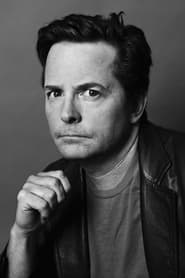
Marty McFly

Dr. Emmett Brown

Lorraine Baines

George McFly

Biff Tannen

Jennifer Parker
Main Cast & Characters
Marty McFly
Played by Michael J. Fox
A teenage rock guitarist who accidentally travels back to 1955 and must ensure his parents fall in love to secure his own existence.
Dr. Emmett Brown
Played by Christopher Lloyd
An eccentric inventor who creates a time machine from a DeLorean and becomes Marty's mentor and unlikely friend.
Lorraine Baines
Played by Lea Thompson
Marty's mother who in 1955 is a shy teenager who accidentally falls for Marty instead of his father George.
George McFly
Played by Crispin Glover
Marty's father, a timid sci-fi enthusiast who must find courage to stand up to Biff and win Lorraine's heart.
Biff Tannen
Played by Thomas F. Wilson
The aggressive school bully who terrorizes George in 1955 and continues to dominate him as an adult in 1985.
Jennifer Parker
Played by Claudia Wells
Marty's supportive girlfriend who worries about his tendency to back down from challenges.
Structural Analysis
The Status Quo at 1 minutes (1% through the runtime) establishes Marty arrives at Doc's lab surrounded by clocks and inventions. He's late for school, plays guitar through a massive amplifier that blows him across the room - establishing him as a dreamer stuck in a life of mediocrity.. Of particular interest, this early placement immediately immerses viewers in the story world.
The inciting incident occurs at 12 minutes when At the Twin Pines Mall parking lot, Doc Brown reveals the DeLorean time machine powered by stolen plutonium. Libyan terrorists arrive and gun down Doc. Marty flees in the DeLorean and accidentally triggers the time circuits.. At 11% through the film, this Disruption aligns precisely with traditional story structure. This beat shifts the emotional landscape, launching the protagonist into the central conflict.
The First Threshold at 26 minutes marks the transition into Act II, occurring at 22% of the runtime. This demonstrates the protagonist's commitment to Doc Brown finally believes Marty after seeing the flux capacitor. Marty commits to the mission: he must get his parents to fall in love at the Enchantment Under the Sea dance, or he'll be erased from existence. The photograph of his siblings begins to fade., moving from reaction to action.
At 52 minutes, the Midpoint arrives at 45% of the runtime—arriving early, accelerating into Act IIb complications. Notably, this crucial beat Biff and his gang confront Marty at the diner. Despite Marty's skateboard escape and seeming victory, Lorraine becomes even more attracted to Marty's bravery rather than George. The stakes raise: false victory turns to deeper problem. Marty's hand begins fading in the photograph., fundamentally raising what's at risk. The emotional intensity shifts, dividing the narrative into clear before-and-after phases.
The Collapse moment at 78 minutes (67% through) represents the emotional nadir. Here, The plan goes catastrophically wrong. Biff pulls Marty from the car and his gang locks him in a trunk. Biff begins actually assaulting Lorraine. Marty's hand becomes transparent - he is literally dying, fading from existence. All seems lost., demonstrates the protagonist at their lowest point. This beat's placement in the final quarter sets up the climactic reversal.
The Synthesis at 81 minutes initiates the final act resolution at 70% of the runtime. George and Lorraine share their first kiss on the dance floor as Marty plays guitar, solidifying his existence. Marty races to the clock tower where Doc has rigged the lightning rod. Despite setbacks - a fallen tree branch, a disconnected cable - Doc successfully channels the lightning bolt and sends Marty back to 1985., demonstrating the transformation achieved throughout the journey.
Emotional Journey
Back to the Future's emotional architecture traces a deliberate progression across 12 carefully calibrated beats.
Narrative Framework
This structural analysis employs structural analysis methodology used to understand storytelling architecture. By mapping Back to the Future against these established plot points, we can identify how Robert Zemeckis utilizes or subverts traditional narrative conventions. The plot point approach reveals not only adherence to structural principles but also creative choices that distinguish Back to the Future within the adventure genre.
Robert Zemeckis's Structural Approach
Among the 20 Robert Zemeckis films analyzed on Arcplot, the average structural score is 6.9, demonstrating varied approaches to story architecture. Back to the Future takes a more unconventional approach compared to the director's typical style. For comparative analysis, explore the complete Robert Zemeckis filmography.
Comparative Analysis
Additional adventure films include The Black Stallion, The Bad Guys and Puss in Boots. For more Robert Zemeckis analyses, see Who Framed Roger Rabbit, Beowulf and Welcome to Marwen.
Plot Points by Act
Act I
SetupStatus Quo
Marty arrives at Doc's lab surrounded by clocks and inventions. He's late for school, plays guitar through a massive amplifier that blows him across the room - establishing him as a dreamer stuck in a life of mediocrity.
Theme
Mr. Strickland tells Marty: "No McFly ever amounted to anything in the history of Hill Valley." The theme is stated - are we destined to repeat our family's failures, or can we change our fate?
Worldbuilding
We meet the dysfunctional McFly family: George is a spineless pushover still bullied by Biff after 30 years, Lorraine is an overweight alcoholic, and Marty fears he'll become just like them. His band audition fails. Doc Brown calls about a secret experiment.
Disruption
At the Twin Pines Mall parking lot, Doc Brown reveals the DeLorean time machine powered by stolen plutonium. Libyan terrorists arrive and gun down Doc. Marty flees in the DeLorean and accidentally triggers the time circuits.
Resistance
Marty arrives in 1955 Hill Valley, disoriented and desperate. He accidentally prevents his parents' first meeting when George falls from the tree and Marty gets hit by the car instead. Lorraine becomes infatuated with Marty. He finds young Doc Brown and must convince him the time machine is real.
Act II
ConfrontationFirst Threshold
Doc Brown finally believes Marty after seeing the flux capacitor. Marty commits to the mission: he must get his parents to fall in love at the Enchantment Under the Sea dance, or he'll be erased from existence. The photograph of his siblings begins to fade.
Premise
Marty attempts to play matchmaker between his parents. He uses knowledge of the future to impress 1955 residents, tries to teach George confidence, and navigates the uncomfortable situation of his own mother being attracted to him. Doc works on harnessing lightning to power the DeLorean.
Midpoint
Biff and his gang confront Marty at the diner. Despite Marty's skateboard escape and seeming victory, Lorraine becomes even more attracted to Marty's bravery rather than George. The stakes raise: false victory turns to deeper problem. Marty's hand begins fading in the photograph.
Opposition
Every attempt to unite George and Lorraine fails. Biff's interference grows more aggressive. Marty's siblings disappear from the photo entirely. The plan for the dance becomes increasingly desperate - Marty will pretend to assault Lorraine so George can rescue her.
Collapse
The plan goes catastrophically wrong. Biff pulls Marty from the car and his gang locks him in a trunk. Biff begins actually assaulting Lorraine. Marty's hand becomes transparent - he is literally dying, fading from existence. All seems lost.
Crisis
Marty is trapped, helpless, watching himself disappear. The band members who locked him in the trunk realize something is wrong. Everything Marty has worked for is about to fail - his parents won't unite, and he'll cease to exist.
Act III
ResolutionSynthesis
George and Lorraine share their first kiss on the dance floor as Marty plays guitar, solidifying his existence. Marty races to the clock tower where Doc has rigged the lightning rod. Despite setbacks - a fallen tree branch, a disconnected cable - Doc successfully channels the lightning bolt and sends Marty back to 1985.