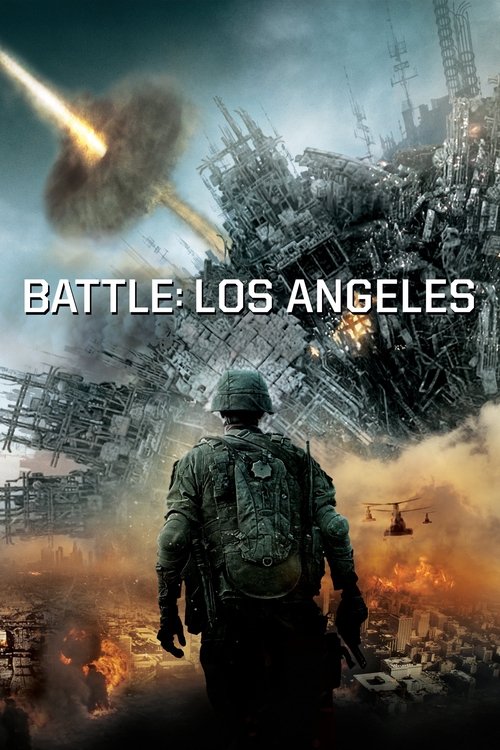
Battle: Los Angeles
When once distant UFOs become a terrifying threat and an alien invasion force begins attacking Earths major costal and riverside cities, a U.S Marine staff sergeant and his team are sent into battle only to find they must take it upon themselves to defeat an unknown enemy and protect what remains of Los Angeles.
Despite a mid-range budget of $70.0M, Battle: Los Angeles became a commercial success, earning $211.8M worldwide—a 203% return.
1 win & 4 nominations


Plot Structure
Story beats plotted across runtime


Narrative Arc
Emotional journey through the story's key moments
Story Circle
Blueprint 15-beat structure
Arcplot Score Breakdown
Weighted: Precision (70%) + Arc (15%) + Theme (15%)
Battle: Los Angeles (2011) demonstrates carefully calibrated dramatic framework, characteristic of Jonathan Liebesman's storytelling approach. This structural analysis examines how the film's 15-point plot structure maps to proven narrative frameworks across 1 hour and 56 minutes. With an Arcplot score of 7.0, the film balances conventional beats with creative variation.
Structural Analysis
The Status Quo at 1 minutes (1% through the runtime) establishes Staff Sergeant Michael Nantz signs retirement papers at Camp Pendleton, ending his Marine career after a failed mission in which men under his command died. He's leaving the warrior life behind.. Notably, this early placement immediately immerses viewers in the story world.
The inciting incident occurs at 15 minutes when Meteors are confirmed as hostile alien craft emerging from the ocean. Worldwide attacks begin. Marines are recalled to base and all leaves are cancelled. The ordinary world is shattered by extraterrestrial invasion.. At 13% through the film, this Disruption is delayed, allowing extended setup of the story world. This beat shifts the emotional landscape, launching the protagonist into the central conflict.
The First Threshold at 29 minutes marks the transition into Act II, occurring at 25% of the runtime. This illustrates the protagonist's commitment to The helicopters cross into the combat zone and immediately come under heavy alien fire. The marines witness the devastation of Los Angeles and enter the alien-occupied mirror world of urban warfare against an unknown enemy., moving from reaction to action.
At 58 minutes, the Midpoint arrives at 50% of the runtime—precisely centered, creating perfect narrative symmetry. Significantly, this crucial beat The platoon discovers the aliens are extracting Earth's water - this is a resource war. They successfully capture a living alien and radio intelligence to command. A false victory: they have valuable intel, but Martinez is killed by alien fire. Nantz must take command., fundamentally raising what's at risk. The emotional intensity shifts, dividing the narrative into clear before-and-after phases.
The Collapse moment at 86 minutes (75% through) represents the emotional nadir. Here, Multiple marines are killed or critically wounded. The squad is pinned down and out of ammunition with no clear escape. The Air Force bombing is imminent and will kill them all. Death surrounds them and survival seems impossible., shows the protagonist at their lowest point. This beat's placement in the final quarter sets up the climactic reversal.
The Second Threshold at 93 minutes initiates the final act resolution at 80% of the runtime. The squad realizes the alien drones are controlled by a central command center. Nantz formulates a plan: instead of running, they'll attack the command center and destroy it, potentially saving the bombing mission and turning the tide. They choose offense over retreat., demonstrating the transformation achieved throughout the journey.
Emotional Journey
Battle: Los Angeles's emotional architecture traces a deliberate progression across 15 carefully calibrated beats.
Narrative Framework
This structural analysis employs systematic plot point analysis that identifies crucial turning points. By mapping Battle: Los Angeles against these established plot points, we can identify how Jonathan Liebesman utilizes or subverts traditional narrative conventions. The plot point approach reveals not only adherence to structural principles but also creative choices that distinguish Battle: Los Angeles within the science fiction genre.
Jonathan Liebesman's Structural Approach
Among the 4 Jonathan Liebesman films analyzed on Arcplot, the average structural score is 7.3, reflecting strong command of classical structure. Battle: Los Angeles takes a more unconventional approach compared to the director's typical style. For comparative analysis, explore the complete Jonathan Liebesman filmography.
Comparative Analysis
Additional science fiction films include The Postman, Mad Max 2 and AVP: Alien vs. Predator. For more Jonathan Liebesman analyses, see Wrath of the Titans, Teenage Mutant Ninja Turtles and The Texas Chainsaw Massacre: The Beginning.
Plot Points by Act
Act I
SetupStatus Quo
Staff Sergeant Michael Nantz signs retirement papers at Camp Pendleton, ending his Marine career after a failed mission in which men under his command died. He's leaving the warrior life behind.
Theme
Lieutenant Martinez tells his men, "We're Marines. We'll adapt, we'll improvise, and we'll overcome." The theme of redemption through sacrifice and leadership under impossible odds is established.
Worldbuilding
Introduction of Second Platoon members: Martinez (new lieutenant with no combat experience), Lockett (virgin marine), Imlay (expecting a baby), and others. Tension exists around Nantz's past failure. Meteors fall worldwide, revealed to be alien invasion craft.
Disruption
Meteors are confirmed as hostile alien craft emerging from the ocean. Worldwide attacks begin. Marines are recalled to base and all leaves are cancelled. The ordinary world is shattered by extraterrestrial invasion.
Resistance
Briefing and preparation for combat. The platoon learns their mission: rescue civilians from a police station in Santa Monica before the Air Force bombs the area. Martinez must rely on Nantz despite their mutual distrust. Tension builds as they prepare to enter the war zone.
Act II
ConfrontationFirst Threshold
The helicopters cross into the combat zone and immediately come under heavy alien fire. The marines witness the devastation of Los Angeles and enter the alien-occupied mirror world of urban warfare against an unknown enemy.
Mirror World
The platoon encounters civilian survivors including Michele (veterinarian) and her father. These civilians represent what the marines are fighting for - innocent lives depending on warriors to protect them. Michele becomes a key ally and witness to their sacrifice.
Premise
The promise of the premise: Marines versus aliens in brutal urban combat. The platoon fights through Santa Monica, rescues civilians, loses men, and struggles to survive against technologically superior forces. They discover alien weaknesses and adapt tactics.
Midpoint
The platoon discovers the aliens are extracting Earth's water - this is a resource war. They successfully capture a living alien and radio intelligence to command. A false victory: they have valuable intel, but Martinez is killed by alien fire. Nantz must take command.
Opposition
Under Nantz's leadership, the squad faces increasingly desperate situations. They learn the truth about Nantz's past mission. Tensions rise as men question his leadership. The aliens close in, casualties mount, and the bombing deadline approaches.
Collapse
Multiple marines are killed or critically wounded. The squad is pinned down and out of ammunition with no clear escape. The Air Force bombing is imminent and will kill them all. Death surrounds them and survival seems impossible.
Crisis
Nantz gives an emotional speech revealing the names of the men who died under his command, confronting his guilt. The squad chooses to follow him. They make peace with likely death but commit to fighting to the end.
Act III
ResolutionSecond Threshold
The squad realizes the alien drones are controlled by a central command center. Nantz formulates a plan: instead of running, they'll attack the command center and destroy it, potentially saving the bombing mission and turning the tide. They choose offense over retreat.
Synthesis
The squad launches a suicide assault on the alien command center, using improvised tactics and their captured intel. Nantz leads from the front, combining his experience with the squad's trust. They destroy the command center, causing alien drones to crash. The civilians are evacuated safely.
Transformation
Instead of retiring in shame, Nantz and his surviving marines volunteer for immediate redeployment. Where he once walked away from service haunted by failure, he now runs toward it with purpose, redeemed as a leader who brought his people home.