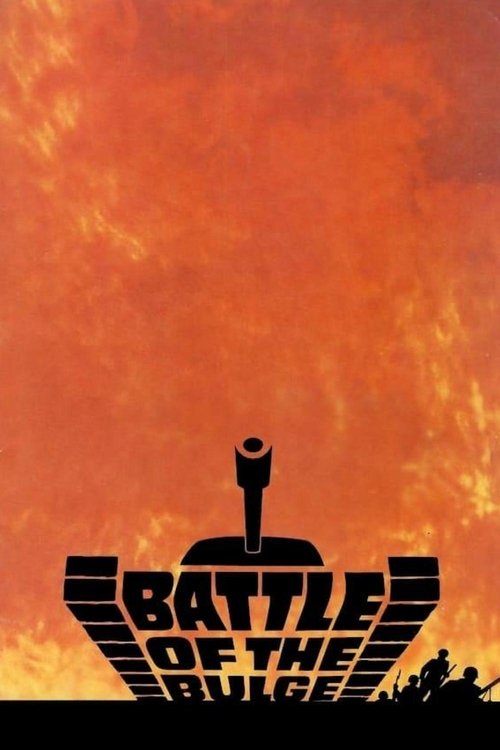
Battle of the Bulge
In the winter of 1944, the Allied Armies stand ready to invade Germany at the coming of a New Year. To prevent it, Hitler orders an all-out offensive to re-take French territory and capture the major port city of Antwerp.
Working with a limited budget of $6.5M, the film achieved a respectable showing with $11.1M in global revenue (+71% profit margin).


Plot Structure
Story beats plotted across runtime


Narrative Arc
Emotional journey through the story's key moments
Story Circle
Blueprint 15-beat structure
Arcplot Score Breakdown
Weighted: Precision (70%) + Arc (15%) + Theme (15%)
Battle of the Bulge (1965) showcases carefully calibrated narrative architecture, characteristic of Ken Annakin's storytelling approach. This structural analysis examines how the film's 15-point plot structure maps to proven narrative frameworks across 2 hours and 49 minutes. With an Arcplot score of 7.2, the film balances conventional beats with creative variation.
Characters
Cast & narrative archetypes
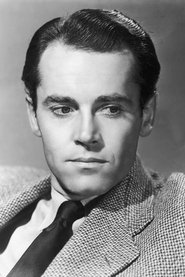
Lt. Col. Daniel Kiley
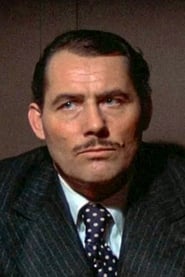
Col. Martin Hessler
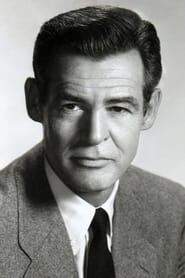
Sgt. Guffy
Lt. Weaver
Louise

Gen. Grey

Conrad
Main Cast & Characters
Lt. Col. Daniel Kiley
Played by Henry Fonda
Intelligence officer who discovers the German offensive but struggles to convince his superiors of the imminent threat.
Col. Martin Hessler
Played by Robert Shaw
Fanatical German Panzer commander leading the armored offensive, ruthlessly devoted to Hitler and the mission despite dwindling resources.
Sgt. Guffy
Played by Robert Ryan
Tank sergeant and Kiley's right-hand man, practical and experienced combat soldier who supports his commander's warnings.
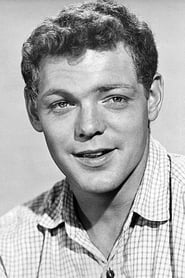
Lt. Weaver
Played by James MacArthur
Young American tank commander who must lead his inexperienced crew against overwhelming German armor in desperate defensive action.
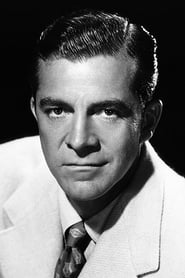
Louise
Played by Dana Andrews
Belgian woman who provides shelter and assistance to American forces while her village is caught in the crossfire of battle.
Gen. Grey
Played by Robert Woods
American general who initially dismisses Kiley's intelligence warnings about German tank buildup, representing institutional stubbornness.
Conrad
Played by Hans Christian Blech
German tank commander serving under Hessler, torn between duty and growing doubts about the war's purpose and leadership.
Structural Analysis
The Status Quo at 2 minutes (1% through the runtime) establishes December 1944: Allied forces hold positions in the Ardennes forest, confident the war is nearly won. American troops enjoy relative calm, unaware of the massive German buildup hidden in the forests across the line.. Of particular interest, this early placement immediately immerses viewers in the story world.
The inciting incident occurs at 20 minutes when Kiley's reconnaissance flight captures photographic evidence of massive German tank movements in the Ardennes. His warnings are dismissed by command, but the disruption is clear: the Germans are planning something enormous that will shatter the Allied complacency.. At 12% through the film, this Disruption aligns precisely with traditional story structure. This beat shifts the emotional landscape, launching the protagonist into the central conflict.
The First Threshold at 42 minutes marks the transition into Act II, occurring at 25% of the runtime. This shows the protagonist's commitment to The German offensive begins with a massive artillery barrage and Panzer assault through the Ardennes. The Battle of the Bulge erupts, forcing all characters into the crucible of combat. There is no going back to the comfortable assumptions of the status quo., moving from reaction to action.
At 85 minutes, the Midpoint arrives at 50% of the runtime—precisely centered, creating perfect narrative symmetry. The analysis reveals that this crucial beat The Malmedy massacre occurs as German forces execute American POWs. This false defeat marks the darkest revelation of enemy brutality and raises the stakes from military strategy to moral imperative. The nature of the conflict transforms from tactical to existential., fundamentally raising what's at risk. The emotional intensity shifts, dividing the narrative into clear before-and-after phases.
The Collapse moment at 127 minutes (75% through) represents the emotional nadir. Here, The German tanks reach the outskirts of the fuel depot at Amblève. American defenses have crumbled, reinforcements haven't arrived, and Hessler appears poised for total victory. The whiff of death hangs over the Allied cause as defeat seems imminent., demonstrates the protagonist at their lowest point. This beat's placement in the final quarter sets up the climactic reversal.
The Second Threshold at 135 minutes initiates the final act resolution at 80% of the runtime. Kiley realizes they cannot hold the fuel depot but can deny it to the Germans. The desperate plan emerges: destroy the fuel depot rather than let it fall into enemy hands. This synthesis of tactical necessity and moral courage enables the final stand., demonstrating the transformation achieved throughout the journey.
Emotional Journey
Battle of the Bulge's emotional architecture traces a deliberate progression across 15 carefully calibrated beats.
Narrative Framework
This structural analysis employs proven narrative structure principles that track dramatic progression. By mapping Battle of the Bulge against these established plot points, we can identify how Ken Annakin utilizes or subverts traditional narrative conventions. The plot point approach reveals not only adherence to structural principles but also creative choices that distinguish Battle of the Bulge within the drama genre.
Ken Annakin's Structural Approach
Among the 5 Ken Annakin films analyzed on Arcplot, the average structural score is 7.2, reflecting strong command of classical structure. Battle of the Bulge exemplifies the director's characteristic narrative technique. For comparative analysis, explore the complete Ken Annakin filmography.
Comparative Analysis
Additional drama films include After Thomas, South Pacific and Dirty Dancing: Havana Nights. For more Ken Annakin analyses, see Swiss Family Robinson, The Longest Day and The Pirate Movie.
Plot Points by Act
Act I
SetupStatus Quo
December 1944: Allied forces hold positions in the Ardennes forest, confident the war is nearly won. American troops enjoy relative calm, unaware of the massive German buildup hidden in the forests across the line.
Theme
General Grey dismisses Kiley's concerns about German activity, stating that the enemy is finished. This embodies the theme: complacency and overconfidence can blind people to danger, and one vigilant voice may see what institutions cannot.
Worldbuilding
The Allied command structure is established: overconfident generals, weary troops celebrating early Christmas, and the lone skeptic Kiley who suspects something is wrong. Meanwhile, the German side reveals Hessler preparing his Panzer division for a desperate final offensive.
Disruption
Kiley's reconnaissance flight captures photographic evidence of massive German tank movements in the Ardennes. His warnings are dismissed by command, but the disruption is clear: the Germans are planning something enormous that will shatter the Allied complacency.
Resistance
Kiley debates with his superiors, trying to convince them of the threat. He investigates German radio silence and troop movements. The period of resistance from command mirrors the internal debate about whether one man's instincts can override institutional certainty.
Act II
ConfrontationFirst Threshold
The German offensive begins with a massive artillery barrage and Panzer assault through the Ardennes. The Battle of the Bulge erupts, forcing all characters into the crucible of combat. There is no going back to the comfortable assumptions of the status quo.
Mirror World
The parallel narrative of Colonel Hessler and his tank crews is fully established. His relationship with his men, particularly young Lieutenant Schumacher, mirrors and contrasts with Kiley's relationships. Both commanders face the theme of individual will against overwhelming odds.
Premise
The massive battle unfolds across multiple fronts. German Panzers roll through American lines, Hessler's tanks dominate, German commandos in American uniforms cause chaos, and the desperate defense begins. This is the epic warfare spectacle the audience came to see.
Midpoint
The Malmedy massacre occurs as German forces execute American POWs. This false defeat marks the darkest revelation of enemy brutality and raises the stakes from military strategy to moral imperative. The nature of the conflict transforms from tactical to existential.
Opposition
The German offensive reaches its peak. Hessler's Panzers push toward the critical fuel depot at Amblève. American forces suffer devastating losses. The weather prevents air support. Everything that can go wrong does, as the antagonist force closes in on victory.
Collapse
The German tanks reach the outskirts of the fuel depot at Amblève. American defenses have crumbled, reinforcements haven't arrived, and Hessler appears poised for total victory. The whiff of death hangs over the Allied cause as defeat seems imminent.
Crisis
The remaining American defenders face the desperate reality of their situation. With tanks bearing down and no conventional way to stop them, they must confront the seeming hopelessness. Kiley and the surviving soldiers process what appears to be inevitable defeat.
Act III
ResolutionSecond Threshold
Kiley realizes they cannot hold the fuel depot but can deny it to the Germans. The desperate plan emerges: destroy the fuel depot rather than let it fall into enemy hands. This synthesis of tactical necessity and moral courage enables the final stand.
Synthesis
The climactic battle at Amblève. American soldiers sacrifice themselves to ignite the fuel depot, creating an inferno that engulfs the German Panzers. Hessler's tanks, desperate for fuel, are destroyed in the conflagration. The German offensive is broken.
Transformation
Hessler dies in the flames of his ambition as his tank is consumed. Kiley and the survivors emerge from the wreckage. The lone voice who warned of danger has been vindicated, but at tremendous cost. The transformation: vigilance and sacrifice have prevailed over complacency and hubris.