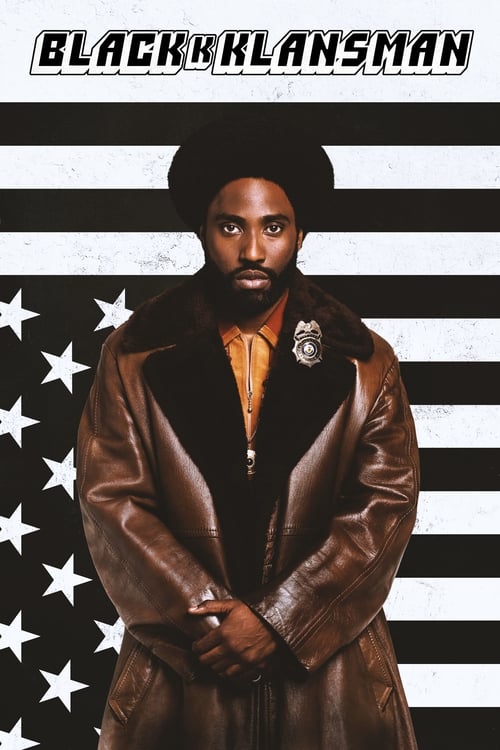
BlacKkKlansman
Colorado Springs, late 1970s. Ron Stallworth, an African American police officer, and Flip Zimmerman, his Jewish colleague, run an undercover operation to infiltrate the Ku Klux Klan.
Despite a respectable budget of $15.0M, BlacKkKlansman became a box office phenomenon, earning $93.4M worldwide—a remarkable 523% return.
1 Oscar. 46 wins & 215 nominations


Plot Structure
Story beats plotted across runtime


Narrative Arc
Emotional journey through the story's key moments
Story Circle
Blueprint 15-beat structure
Arcplot Score Breakdown
Weighted: Precision (70%) + Arc (15%) + Theme (15%)
BlacKkKlansman (2018) showcases deliberately positioned narrative architecture, characteristic of Spike Lee's storytelling approach. This structural analysis examines how the film's 15-point plot structure maps to proven narrative frameworks across 2 hours and 16 minutes. With an Arcplot score of 6.7, the film balances conventional beats with creative variation.
Characters
Cast & narrative archetypes

Ron Stallworth
Flip Zimmerman
Patrice Dumas
David Duke
Chief Bridges
Sergeant Trapp
Felix Kendrickson
Connie Kendrickson
Main Cast & Characters
Ron Stallworth
Played by John David Washington
Colorado Springs' first Black police detective who infiltrates the KKK by phone while his white partner poses as him in person.
Flip Zimmerman
Played by Adam Driver
Jewish detective who poses as Ron Stallworth in person during the KKK infiltration operation.
Patrice Dumas
Played by Laura Harrier
President of the Black Student Union at Colorado College and Ron's love interest, passionate about Black liberation.
David Duke
Played by Topher Grace
National leader of the Ku Klux Klan who unknowingly befriends Ron over the phone.
Chief Bridges
Played by Robert John Burke
Colorado Springs police chief who reluctantly approves the undercover KKK investigation.
Sergeant Trapp
Played by Ken Garito
Ron's supervisor who supports the investigation and believes in doing the right thing.
Felix Kendrickson
Played by Jasper Pääkkönen
Paranoid and suspicious KKK member who distrusts Flip and administers a lie detector test.
Connie Kendrickson
Played by Ashlie Atkinson
Felix's wife and KKK member who plans a bombing attack on Black student activists.
Structural Analysis
The Status Quo at 1 minutes (1% through the runtime) establishes Ron Stallworth works in the records room of the Colorado Springs Police Department, filing papers in a mundane clerical position, isolated from real police work and impact.. The analysis reveals that this early placement immediately immerses viewers in the story world.
The inciting incident occurs at 16 minutes when Ron sees a KKK recruitment ad in the newspaper and impulsively calls, posing as a white racist interested in joining. His passionate, improvised phone performance convinces the local organizer, opening an unexpected opportunity.. At 12% through the film, this Disruption aligns precisely with traditional story structure. This beat shifts the emotional landscape, launching the protagonist into the central conflict.
The First Threshold at 34 minutes marks the transition into Act II, occurring at 25% of the runtime. This reveals the protagonist's commitment to Flip meets the KKK members in person for the first time as "Ron Stallworth," committing fully to the undercover operation. He enters their world, crosses the line, and the investigation officially begins., moving from reaction to action.
At 68 minutes, the Midpoint arrives at 50% of the runtime—precisely centered, creating perfect narrative symmetry. Of particular interest, this crucial beat False victory: Ron is told David Duke himself is coming to Colorado Springs for his KKK induction ceremony. This seems like a major intelligence win and the peak of the operation, but it raises the stakes dramatically and puts Ron/Flip in greater danger., fundamentally raising what's at risk. The emotional intensity shifts, dividing the narrative into clear before-and-after phases.
The Collapse moment at 100 minutes (73% through) represents the emotional nadir. Here, Patrice is pulled over and brutalized by racist Officer Landers, who threatens her life. Ron watches helplessly from his car, unable to reveal his identity or protect her without blowing his cover. His dual identity paralyzes him - the "death" of his ability to protect those he loves., indicates the protagonist at their lowest point. This beat's placement in the final quarter sets up the climactic reversal.
The Second Threshold at 108 minutes initiates the final act resolution at 80% of the runtime. Ron and the team discover the KKK's bomb plot target: Patrice's Black Student Union event. Ron synthesizes his police skills with his commitment to protecting his community - he can serve justice AND his people. He chooses to act decisively., demonstrating the transformation achieved throughout the journey.
Emotional Journey
BlacKkKlansman's emotional architecture traces a deliberate progression across 15 carefully calibrated beats.
Narrative Framework
This structural analysis employs a 15-point narrative structure framework that maps key story moments. By mapping BlacKkKlansman against these established plot points, we can identify how Spike Lee utilizes or subverts traditional narrative conventions. The plot point approach reveals not only adherence to structural principles but also creative choices that distinguish BlacKkKlansman within the crime genre.
Spike Lee's Structural Approach
Among the 13 Spike Lee films analyzed on Arcplot, the average structural score is 7.0, demonstrating varied approaches to story architecture. BlacKkKlansman takes a more unconventional approach compared to the director's typical style. For comparative analysis, explore the complete Spike Lee filmography.
Comparative Analysis
Additional crime films include The Bad Guys, Rustom and The Whole Ten Yards. For more Spike Lee analyses, see Summer of Sam, Inside Man and Clockers.
Plot Points by Act
Act I
SetupStatus Quo
Ron Stallworth works in the records room of the Colorado Springs Police Department, filing papers in a mundane clerical position, isolated from real police work and impact.
Theme
Patrice at the Black Student Union rally: "The truth is we are at war for the liberation of our people" - establishing the film's exploration of identity, resistance, and what it means to fight for justice from within a system.
Worldbuilding
Ron becomes the first Black detective in Colorado Springs PD, navigates racist colleagues, attends undercover assignment at Kwame Ture speech, meets Patrice (president of Black Student Union), establishes the tension between his police role and Black identity.
Disruption
Ron sees a KKK recruitment ad in the newspaper and impulsively calls, posing as a white racist interested in joining. His passionate, improvised phone performance convinces the local organizer, opening an unexpected opportunity.
Resistance
Ron debates with Chief Bridges and Flip Zimmerman about the operation's feasibility. Flip (a white Jewish detective) reluctantly agrees to be Ron's "face" while Ron is the "voice." They prepare, rehearse, and plan the dangerous infiltration operation.
Act II
ConfrontationFirst Threshold
Flip meets the KKK members in person for the first time as "Ron Stallworth," committing fully to the undercover operation. He enters their world, crosses the line, and the investigation officially begins.
Mirror World
Ron and Patrice's relationship deepens on a personal level. She represents the Black liberation movement and challenges Ron's choice to work within the police system - the thematic counterpoint to his undercover work.
Premise
The "fun and games" of the con: Ron talks to David Duke on the phone while Flip attends KKK meetings. They navigate close calls, gather intelligence, and the operation gains momentum. Ron becomes a KKK member and even speaks with national leader David Duke.
Midpoint
False victory: Ron is told David Duke himself is coming to Colorado Springs for his KKK induction ceremony. This seems like a major intelligence win and the peak of the operation, but it raises the stakes dramatically and puts Ron/Flip in greater danger.
Opposition
Tensions escalate: Felix becomes suspicious of Flip and subjects him to hostile interrogation and a lie detector test. The KKK members plan a terrorist attack. Ron's double life becomes harder to maintain as Patrice's activist work and his police work collide.
Collapse
Patrice is pulled over and brutalized by racist Officer Landers, who threatens her life. Ron watches helplessly from his car, unable to reveal his identity or protect her without blowing his cover. His dual identity paralyzes him - the "death" of his ability to protect those he loves.
Crisis
Ron grapples with the moral cost of his choices. Patrice challenges him about being a cop. He processes the weight of his position - unable to fully belong to either world, questioning whether the investigation is worth the personal toll.
Act III
ResolutionSecond Threshold
Ron and the team discover the KKK's bomb plot target: Patrice's Black Student Union event. Ron synthesizes his police skills with his commitment to protecting his community - he can serve justice AND his people. He chooses to act decisively.
Synthesis
The finale: Ron meets David Duke face-to-face while maintaining his cover. Simultaneously, the team races to stop Felix's wife from detonating a bomb at the BSU gathering. The bomb plot is thwarted, the investigation concludes, but systemic racism persists. Ron confronts Officer Landers.
Transformation
Ron and Patrice hear a knock at the door - a burning cross on the hillside outside, planted by the KKK. The final image shows that despite Ron's successful operation, white supremacy endures. The fight continues. Cuts to modern Charlottesville footage, connecting past to present.