Summer of Sam
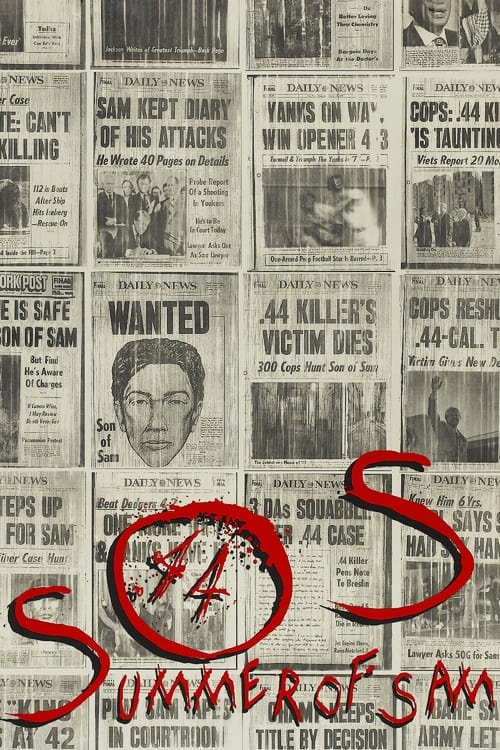
Spike Lee's take on the "Son of Sam" murders in New York City during the summer of 1977 centering on the residents of an Italian-American Northeast Bronx neighborhood who live in fear and distrust of one another.
The film struggled financially against its respectable budget of $22.0M, earning $19.3M globally (-12% loss).


Plot Structure
Story beats plotted across runtime


Narrative Arc
Emotional journey through the story's key moments
Story Circle
Blueprint 15-beat structure
Arcplot Score Breakdown
Weighted: Precision (70%) + Arc (15%) + Theme (15%)
Summer of Sam (1999) showcases meticulously timed dramatic framework, characteristic of Spike Lee's storytelling approach. This structural analysis examines how the film's 15-point plot structure maps to proven narrative frameworks across 2 hours and 22 minutes. With an Arcplot score of 7.0, the film balances conventional beats with creative variation.
Characters
Cast & narrative archetypes

Vinny
Dionna
Ritchie
Ruby
Joey T
Detective Lou Petrocelli
Brian
Luigi
Main Cast & Characters
Vinny
Played by John Leguizamo
A troubled hairdresser struggling with infidelity and paranoia during the Son of Sam killings in the Bronx
Dionna
Played by Mira Sorvino
Vinny's wife who discovers his betrayal and struggles to maintain her dignity in their volatile relationship
Ritchie
Played by Adrien Brody
A punk rocker with long hair who becomes the neighborhood scapegoat as paranoia about the killer escalates
Ruby
Played by Jennifer Esposito
A British punk rocker and Ritchie's girlfriend who encourages his alternative lifestyle
Joey T
Played by Michael Rispoli
A violent, aggressive member of the neighborhood gang who leads the witch hunt against Ritchie
Detective Lou Petrocelli
Played by Anthony LaPaglia
An NYPD detective investigating the Son of Sam murders
Brian
Played by Ben Gazzara
A member of the neighborhood crew who participates in the escalating violence and paranoia
Luigi
Played by Bebe Neuwirth
Vinny's father, a traditional Italian-American patriarch
Structural Analysis
The Status Quo at 1 minutes (1% through the runtime) establishes Summer 1977 Bronx. Disco music, hot streets, Vinny and his crew living their ordinary lives - hanging out, playing softball, pursuing women. The neighborhood is tight-knit and everyone knows everyone.. The analysis reveals that this early placement immediately immerses viewers in the story world.
The inciting incident occurs at 16 minutes when Son of Sam strikes again, killing close to the neighborhood. The fear becomes real and personal. News coverage intensifies. The paranoia begins to seep into everyday life.. At 12% through the film, this Disruption aligns precisely with traditional story structure. This beat shifts the emotional landscape, launching the protagonist into the central conflict.
The First Threshold at 35 minutes marks the transition into Act II, occurring at 25% of the runtime. This demonstrates the protagonist's commitment to Dionna discovers evidence of Vinny's infidelity. Vinny must actively choose between his two lives. Simultaneously, the neighborhood vigilance turns into active suspicion and aggression toward outsiders., moving from reaction to action.
At 72 minutes, the Midpoint arrives at 51% of the runtime—precisely centered, creating perfect narrative symmetry. Significantly, this crucial beat The NYC blackout of July 1977. Chaos and looting. A false victory for the community coming together, but actually marking the point where civility collapses. Son of Sam strikes again during this period. Stakes are raised dramatically., fundamentally raising what's at risk. The emotional intensity shifts, dividing the narrative into clear before-and-after phases.
The Collapse moment at 105 minutes (74% through) represents the emotional nadir. Here, The neighborhood mob violently attacks Ritchie, nearly beating him to death in the street. The metaphorical death of community values, tolerance, and brotherhood. Vinny participates, corrupted by the mob mentality and his own guilt., illustrates the protagonist at their lowest point. This beat's placement in the final quarter sets up the climactic reversal.
The Second Threshold at 113 minutes initiates the final act resolution at 80% of the runtime. Son of Sam's arrest. The truth is revealed - the real killer had nothing to do with their paranoid suspicions. Vinny must confront that the real enemy was within the community, within himself., demonstrating the transformation achieved throughout the journey.
Emotional Journey
Summer of Sam's emotional architecture traces a deliberate progression across 15 carefully calibrated beats.
Narrative Framework
This structural analysis employs proven narrative structure principles that track dramatic progression. By mapping Summer of Sam against these established plot points, we can identify how Spike Lee utilizes or subverts traditional narrative conventions. The plot point approach reveals not only adherence to structural principles but also creative choices that distinguish Summer of Sam within the crime genre.
Spike Lee's Structural Approach
Among the 13 Spike Lee films analyzed on Arcplot, the average structural score is 7.0, demonstrating varied approaches to story architecture. Summer of Sam represents one of the director's most structurally precise works. For comparative analysis, explore the complete Spike Lee filmography.
Comparative Analysis
Additional crime films include The Bad Guys, Rustom and The Whole Ten Yards. For more Spike Lee analyses, see Inside Man, Clockers and BlacKkKlansman.
Plot Points by Act
Act I
SetupStatus Quo
Summer 1977 Bronx. Disco music, hot streets, Vinny and his crew living their ordinary lives - hanging out, playing softball, pursuing women. The neighborhood is tight-knit and everyone knows everyone.
Theme
News reports and neighborhood gossip about the Son of Sam killings. Someone mentions "This guy is tearing the city apart" - the theme that external fear will fracture the community from within.
Worldbuilding
Establishing the Bronx Italian-American neighborhood, the characters and their relationships. Vinny's marriage to Dionna, his infidelities, the tight circle of friends, local hangouts. Ritchie returns from England as a punk rocker, immediately marked as different.
Disruption
Son of Sam strikes again, killing close to the neighborhood. The fear becomes real and personal. News coverage intensifies. The paranoia begins to seep into everyday life.
Resistance
The neighborhood debates how to respond to the threat. People change their behavior - avoiding going out, watching for suspicious cars. Vinny continues his affair with Gloria while trying to maintain his marriage. Ritchie's punk lifestyle alienates him further.
Act II
ConfrontationFirst Threshold
Dionna discovers evidence of Vinny's infidelity. Vinny must actively choose between his two lives. Simultaneously, the neighborhood vigilance turns into active suspicion and aggression toward outsiders.
Mirror World
Ritchie's storyline intensifies as he explores the punk scene and his sexuality. He represents the freedom to transform and reject conformity - the thematic opposite of the neighborhood's rigid, fear-based tribalism.
Premise
The "fun" of paranoia - everyone becomes an amateur detective. Neighborhood watch activities, wild theories, blackout parties. Vinny tries to reconcile with Dionna while maintaining his double life. The community bonds over shared fear but also fractures as suspicion grows.
Midpoint
The NYC blackout of July 1977. Chaos and looting. A false victory for the community coming together, but actually marking the point where civility collapses. Son of Sam strikes again during this period. Stakes are raised dramatically.
Opposition
Paranoia escalates into witch-hunt mentality. Ritchie becomes the neighborhood's scapegoat - his differences (punk style, possible homosexuality) make him suspect. Vinny's lies catch up to him as Dionna's trust erodes. The real killer is out there but the community turns on itself.
Collapse
The neighborhood mob violently attacks Ritchie, nearly beating him to death in the street. The metaphorical death of community values, tolerance, and brotherhood. Vinny participates, corrupted by the mob mentality and his own guilt.
Crisis
Aftermath of the attack. Ritchie hospitalized and traumatized. Vinny faces the horror of what he's done. The neighborhood sits in dark realization. News breaks that Son of Sam has been captured - David Berkowitz, nothing to do with Ritchie.
Act III
ResolutionSecond Threshold
Son of Sam's arrest. The truth is revealed - the real killer had nothing to do with their paranoid suspicions. Vinny must confront that the real enemy was within the community, within himself.
Synthesis
The neighborhood must face what they've become. Vinny confesses everything to Dionna. Ritchie leaves the neighborhood forever, unable to forgive. The community fragments, relationships destroyed not by the killer but by their own fear and hatred.
Transformation
Final image mirrors the opening but transformed by tragedy. The neighborhood is forever changed - fractured, ashamed, diminished. Vinny and Dionna's relationship damaged beyond repair. The summer that tore them apart is over, leaving only scars.