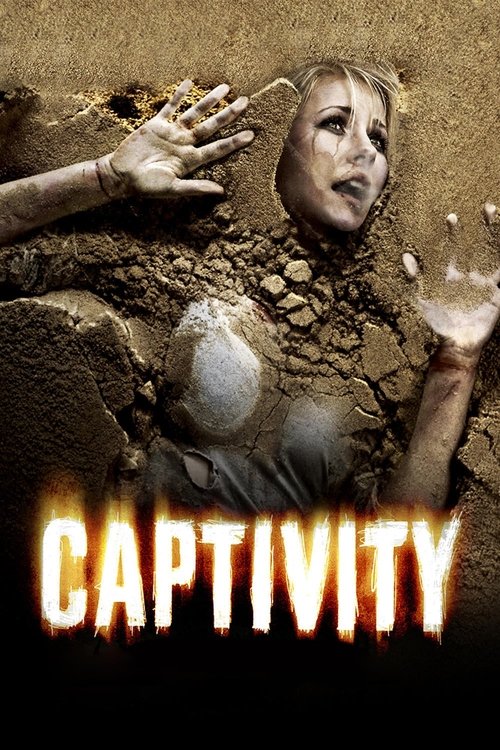
Captivity
The sought-after images of top model Jennifer adorn magazine covers and billboards worldwide. When alone at a club, she is abducted and incarcerated in a cell with another prisoner. When their captor subjects the two to torture, they commit to escaping the chamber of horrors before they're killed.
The film struggled financially against its mid-range budget of $17.0M, earning $10.9M globally (-36% loss). While initial box office returns were modest, the film has gained appreciation for its distinctive approach within the crime genre.
1 win & 4 nominations


Plot Structure
Story beats plotted across runtime


Narrative Arc
Emotional journey through the story's key moments
Story Circle
Blueprint 15-beat structure
Arcplot Score Breakdown
Weighted: Precision (70%) + Arc (15%) + Theme (15%)
Captivity (2007) showcases meticulously timed dramatic framework, characteristic of Roland Joffé's storytelling approach. This structural analysis examines how the film's 15-point plot structure maps to proven narrative frameworks across 1 hour and 25 minutes. With an Arcplot score of 6.8, the film balances conventional beats with creative variation.
Characters
Cast & narrative archetypes

Jennifer Tree
Gary
Ben Dexter
Main Cast & Characters
Jennifer Tree
Played by Elisha Cuthbert
A fashion model who is kidnapped and held captive in a torture chamber, fighting for survival.
Gary
Played by Daniel Gillies
A fellow captive who appears in the adjacent cell, providing companionship and eventual betrayal.
Ben Dexter
Played by Pruitt Taylor Vince
Jennifer's stalker and obsessive captor who orchestrates the psychological torture.
Structural Analysis
The Status Quo at 1 minutes (1% through the runtime) establishes Jennifer Tree is a glamorous fashion model living a high-profile celebrity lifestyle, attending parties and photo shoots in New York City.. Notably, this early placement immediately immerses viewers in the story world.
The inciting incident occurs at 11 minutes when Jennifer is drugged at a nightclub and wakes up imprisoned in a cell, stripped of her identity and freedom.. At 13% through the film, this Disruption is delayed, allowing extended setup of the story world. This beat shifts the emotional landscape, launching the protagonist into the central conflict.
The First Threshold at 21 minutes marks the transition into Act II, occurring at 25% of the runtime. This reveals the protagonist's commitment to Jennifer realizes she must actively fight to survive when she discovers evidence of previous victims and understands the deadly nature of her captor's intentions., moving from reaction to action.
At 43 minutes, the Midpoint arrives at 50% of the runtime—precisely centered, creating perfect narrative symmetry. Structural examination shows that this crucial beat Jennifer and Gary manage to break through the wall between their cells, physically connecting and finding hope in alliance against their captor., fundamentally raising what's at risk. The emotional intensity shifts, dividing the narrative into clear before-and-after phases.
The Collapse moment at 64 minutes (75% through) represents the emotional nadir. Here, Jennifer discovers the devastating truth: Gary is actually her captor, the alliance was a manipulation, and everything she believed was a carefully constructed lie., demonstrates the protagonist at their lowest point. This beat's placement in the final quarter sets up the climactic reversal.
The Second Threshold at 68 minutes initiates the final act resolution at 80% of the runtime. Jennifer finds inner strength and clarity, transforming from victim to survivor, and commits to using her captor's manipulation tactics against him., demonstrating the transformation achieved throughout the journey.
Emotional Journey
Captivity's emotional architecture traces a deliberate progression across 15 carefully calibrated beats.
Narrative Framework
This structural analysis employs structural analysis methodology used to understand storytelling architecture. By mapping Captivity against these established plot points, we can identify how Roland Joffé utilizes or subverts traditional narrative conventions. The plot point approach reveals not only adherence to structural principles but also creative choices that distinguish Captivity within the crime genre.
Roland Joffé's Structural Approach
Among the 4 Roland Joffé films analyzed on Arcplot, the average structural score is 6.7, demonstrating varied approaches to story architecture. Captivity represents one of the director's most structurally precise works. For comparative analysis, explore the complete Roland Joffé filmography.
Comparative Analysis
Additional crime films include The Bad Guys, Rustom and The Whole Ten Yards. For more Roland Joffé analyses, see The Scarlet Letter, City of Joy and The Mission.
Plot Points by Act
Act I
SetupStatus Quo
Jennifer Tree is a glamorous fashion model living a high-profile celebrity lifestyle, attending parties and photo shoots in New York City.
Theme
A conversation about trust and vulnerability hints at the film's exploration of control, captivity, and what it means to be truly seen versus objectified.
Worldbuilding
Establishment of Jennifer's world as a celebrity model: her fame, her loneliness despite being surrounded by people, her agent, the paparazzi, and the superficial relationships in her life.
Disruption
Jennifer is drugged at a nightclub and wakes up imprisoned in a cell, stripped of her identity and freedom.
Resistance
Jennifer attempts to understand her situation, tests the boundaries of her cell, and experiences the beginning of psychological torture through isolation and fear.
Act II
ConfrontationFirst Threshold
Jennifer realizes she must actively fight to survive when she discovers evidence of previous victims and understands the deadly nature of her captor's intentions.
Mirror World
Jennifer makes contact with Gary, a man in an adjacent cell who claims to be another victim, creating a bond born of shared trauma and desperation.
Premise
The psychological torture escalates through sadistic tests and games. Jennifer and Gary attempt to communicate, plan escape, and maintain sanity while enduring physical and mental torment.
Midpoint
Jennifer and Gary manage to break through the wall between their cells, physically connecting and finding hope in alliance against their captor.
Opposition
The captor intensifies psychological manipulation and torture. Jennifer and Gary's escape attempts are thwarted, and trust begins to fracture under extreme duress.
Collapse
Jennifer discovers the devastating truth: Gary is actually her captor, the alliance was a manipulation, and everything she believed was a carefully constructed lie.
Crisis
Jennifer confronts total betrayal and despair, her psychological state shattered by the revelation that her only source of hope was the architect of her nightmare.
Act III
ResolutionSecond Threshold
Jennifer finds inner strength and clarity, transforming from victim to survivor, and commits to using her captor's manipulation tactics against him.
Synthesis
Jennifer executes her counter-attack, using deception and the captor's own psychology against him, fighting for her life and freedom in a brutal final confrontation.
Transformation
Jennifer emerges from captivity fundamentally changed, no longer the superficial celebrity but a survivor who has faced the darkest depths of human cruelty and prevailed.