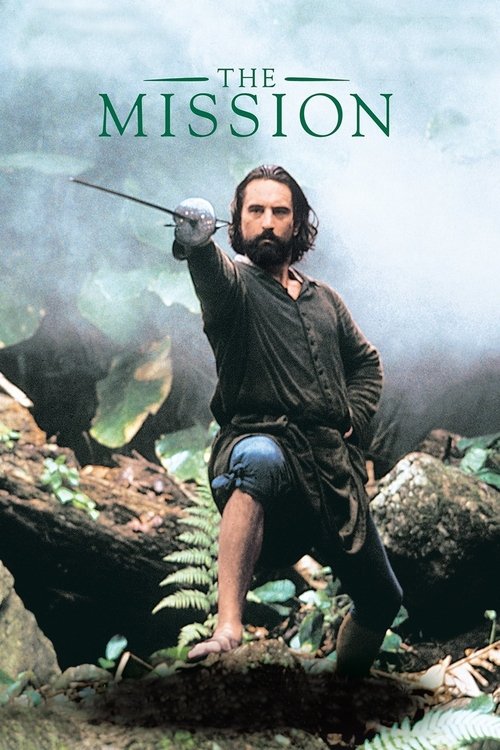
The Mission
When a Spanish Jesuit goes into the South American wilderness to build a mission in the hope of converting the Indians of the region, a slave hunter is converted and joins his mission. When Spain sells the colony to Portugal, they are forced to defend all they have built against the Portuguese aggressors.
The film underperformed commercially against its respectable budget of $24.5M, earning $17.2M globally (-30% loss). While initial box office returns were modest, the film has gained appreciation for its distinctive approach within the adventure genre.
1 Oscar. 15 wins & 27 nominations


Plot Structure
Story beats plotted across runtime


Narrative Arc
Emotional journey through the story's key moments
Story Circle
Blueprint 15-beat structure
Arcplot Score Breakdown
Weighted: Precision (70%) + Arc (15%) + Theme (15%)
The Mission (1986) showcases carefully calibrated narrative design, characteristic of Roland Joffé's storytelling approach. This structural analysis examines how the film's 15-point plot structure maps to proven narrative frameworks across 2 hours and 5 minutes. With an Arcplot score of 6.8, the film balances conventional beats with creative variation.
Structural Analysis
The Status Quo at 2 minutes (1% through the runtime) establishes A Jesuit missionary is martyred by the Guarani, tied to a cross and sent over Iguazu Falls, establishing the danger of the mission work and the violent status quo above the falls.. Structural examination shows that this early placement immediately immerses viewers in the story world.
The inciting incident occurs at 15 minutes when Mendoza kills his brother Felipe in a duel over a woman, sending him into suicidal despair and completely disrupting his identity as a man of action and violence.. At 12% through the film, this Disruption aligns precisely with traditional story structure. This beat shifts the emotional landscape, launching the protagonist into the central conflict.
The First Threshold at 32 minutes marks the transition into Act II, occurring at 25% of the runtime. This demonstrates the protagonist's commitment to Mendoza chooses to drag his armor and weapons up the falls as penance, making the active decision to seek redemption. He enters the mission world, crossing from his old life as a slaver into a new life seeking forgiveness., moving from reaction to action.
At 63 minutes, the Midpoint arrives at 50% of the runtime—precisely centered, creating perfect narrative symmetry. Notably, this crucial beat Cardinal Altamirano arrives with news that the Treaty of Madrid will transfer Jesuit territories to Portugal, and the missions must be closed. This false defeat raises the stakes - the entire world they've built is threatened by colonial politics beyond their control., fundamentally raising what's at risk. The emotional intensity shifts, dividing the narrative into clear before-and-after phases.
The Collapse moment at 95 minutes (76% through) represents the emotional nadir. Here, Cardinal Altamirano rules that the missions must be closed and the Jesuits must leave. Gabriel and the Jesuits face a choice: obey the Church or defend the Guarani. Hope dies. Mendoza renounces his vows to fight, while Gabriel chooses peaceful resistance., indicates the protagonist at their lowest point. This beat's placement in the final quarter sets up the climactic reversal.
The Second Threshold at 101 minutes initiates the final act resolution at 80% of the runtime. The Portuguese forces attack the mission. Both Gabriel and Mendoza commit fully to their chosen paths: Gabriel leads a Eucharistic procession (faith), while Mendoza leads armed resistance (sword). Each synthesizes their beliefs into final action., demonstrating the transformation achieved throughout the journey.
Emotional Journey
The Mission's emotional architecture traces a deliberate progression across 15 carefully calibrated beats.
Narrative Framework
This structural analysis employs a 15-point narrative structure framework that maps key story moments. By mapping The Mission against these established plot points, we can identify how Roland Joffé utilizes or subverts traditional narrative conventions. The plot point approach reveals not only adherence to structural principles but also creative choices that distinguish The Mission within the adventure genre.
Roland Joffé's Structural Approach
Among the 4 Roland Joffé films analyzed on Arcplot, the average structural score is 6.7, demonstrating varied approaches to story architecture. The Mission represents one of the director's most structurally precise works. For comparative analysis, explore the complete Roland Joffé filmography.
Comparative Analysis
Additional adventure films include The Black Stallion, The Bad Guys and Puss in Boots. For more Roland Joffé analyses, see The Scarlet Letter, City of Joy and Captivity.
Plot Points by Act
Act I
SetupStatus Quo
A Jesuit missionary is martyred by the Guarani, tied to a cross and sent over Iguazu Falls, establishing the danger of the mission work and the violent status quo above the falls.
Theme
Cardinal Altamirano (narrator) reflects on the dual nature of the sword and the spirit, stating "The light shines in the darkness, and the darkness has not overcome it" - the central question of whether faith can triumph over colonial violence.
Worldbuilding
Father Gabriel climbs above the falls and establishes contact with the Guarani through music (oboe). Meanwhile, Rodrigo Mendoza is introduced as a slave trader and mercenary. The colonial power structure is established: Spanish/Portuguese territories, Jesuits, and indigenous peoples.
Disruption
Mendoza kills his brother Felipe in a duel over a woman, sending him into suicidal despair and completely disrupting his identity as a man of action and violence.
Resistance
Father Gabriel visits the imprisoned, despairing Mendoza and eventually challenges him to undertake penance. Mendoza debates whether redemption is possible, resisting the call. Gabriel guides him toward the mission as a path to forgiveness.
Act II
ConfrontationFirst Threshold
Mendoza chooses to drag his armor and weapons up the falls as penance, making the active decision to seek redemption. He enters the mission world, crossing from his old life as a slaver into a new life seeking forgiveness.
Mirror World
The Guarani cut Mendoza's burden free and forgive him, showing him mercy he didn't show them. This moment introduces the thematic relationship between Mendoza and the Guarani people - they become his teachers in grace and community.
Premise
The promise of the premise: life at the mission. Mendoza trains as a Jesuit, finding peace and purpose. Gabriel's mission thrives, with the Guarani converting and building a community. We see the beauty and success of the Jesuit missions, the harmony between faith and indigenous culture.
Midpoint
Cardinal Altamirano arrives with news that the Treaty of Madrid will transfer Jesuit territories to Portugal, and the missions must be closed. This false defeat raises the stakes - the entire world they've built is threatened by colonial politics beyond their control.
Opposition
Pressure intensifies as Cardinal Altamirano investigates the missions to determine their fate. Portuguese Captain Cabeza pressures for closure. Gabriel argues for peace and faith, while Mendoza grows angry and advocates for armed resistance. The philosophical conflict between the two men deepens as the colonial forces close in.
Collapse
Cardinal Altamirano rules that the missions must be closed and the Jesuits must leave. Gabriel and the Jesuits face a choice: obey the Church or defend the Guarani. Hope dies. Mendoza renounces his vows to fight, while Gabriel chooses peaceful resistance.
Crisis
The dark night before battle. Mendoza arms the Guarani while Gabriel prepares for martyrdom. Both men struggle with their choices, representing two different responses to injustice. The mission prepares for the inevitable Portuguese attack.
Act III
ResolutionSecond Threshold
The Portuguese forces attack the mission. Both Gabriel and Mendoza commit fully to their chosen paths: Gabriel leads a Eucharistic procession (faith), while Mendoza leads armed resistance (sword). Each synthesizes their beliefs into final action.
Synthesis
The finale: the battle for the mission. Mendoza fights valiantly but is ultimately killed. Gabriel continues the procession with the Guarani, carrying the monstrance, and is shot down. The mission is burned. The Portuguese/Spanish forces destroy everything, but some Guarani children escape into the jungle with the sacred items.
Transformation
Cardinal Altamirano confronts the Portuguese governor, stating "We dare not judge. But if we are to have our own judgment, then we must live by our own decisions." The closing image shows Guarani children paddling away in a canoe, carrying what remains. The transformation is tragic: both paths failed to save the mission, but the spirit survives.