
Casualties of War
During the Vietnam war, a girl is taken from her village by five American soldiers. Four of the soldiers rape her, but the fifth refuses. The young girl is killed. The fifth soldier is determined that justice will be done. The film is more about the realities of war, rather than this single event.
The film underperformed commercially against its moderate budget of $22.5M, earning $18.7M globally (-17% loss).
1 win & 5 nominations


Plot Structure
Story beats plotted across runtime


Narrative Arc
Emotional journey through the story's key moments
Story Circle
Blueprint 15-beat structure
Arcplot Score Breakdown
Weighted: Precision (70%) + Arc (15%) + Theme (15%)
Casualties of War (1989) showcases strategically placed plot construction, characteristic of Brian De Palma's storytelling approach. This structural analysis examines how the film's 15-point plot structure maps to proven narrative frameworks across 1 hour and 53 minutes. With an Arcplot score of 7.0, the film balances conventional beats with creative variation.
Characters
Cast & narrative archetypes

Pfc. Max Eriksson
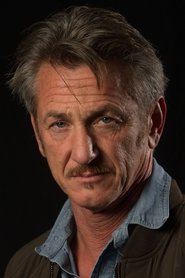
Sgt. Tony Meserve

Cpl. Thomas E. Clark

Pfc. Herbert Hatcher
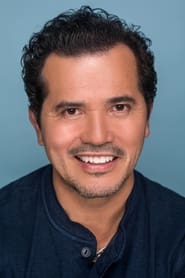
Pfc. Antonio Diaz

Pfc. Brownie

Oanh
Main Cast & Characters
Pfc. Max Eriksson
Played by Michael J. Fox
A young private who witnesses his squad kidnap and assault a Vietnamese girl, and struggles with his moral duty to report the crime.
Sgt. Tony Meserve
Played by Sean Penn
The squad leader who orchestrates the kidnapping and assault of a Vietnamese girl, believing it will boost morale.
Cpl. Thomas E. Clark
Played by Don Harvey
A conflicted soldier who initially resists but ultimately participates in the crimes under Meserve's influence.
Pfc. Herbert Hatcher
Played by John C. Reilly
A soldier who willingly participates in the assault, showing little remorse for his actions.
Pfc. Antonio Diaz
Played by John Leguizamo
The youngest member of the squad who is coerced into participating in the assault.
Pfc. Brownie
Played by Erik King
Eriksson's friend who is killed early in the film, serving as a catalyst for Meserve's subsequent actions.
Oanh
Played by Thuy Thu Le
The Vietnamese girl who is kidnapped and victimized by Meserve's squad.
Structural Analysis
The Status Quo at 1 minutes (1% through the runtime) establishes Eriksson rides a San Francisco streetcar in 1974, a civilian haunted by memories. He sees a Vietnamese woman who triggers a flashback to the war.. Notably, this early placement immediately immerses viewers in the story world.
The inciting incident occurs at 14 minutes when Brownie, a cherished squad member, is blown apart by a booby trap while on patrol. The senseless death devastates Meserve, who blames the Vietnamese villagers for collaborating with the VC.. At 13% through the film, this Disruption is delayed, allowing extended setup of the story world. This beat shifts the emotional landscape, launching the protagonist into the central conflict.
The First Threshold at 28 minutes marks the transition into Act II, occurring at 25% of the runtime. This demonstrates the protagonist's commitment to The squad enters a village and Meserve selects Oanh, a young Vietnamese woman. Despite Eriksson's protests, they abduct her at gunpoint. Eriksson follows the squad into moral darkness, unable to prevent the crime., moving from reaction to action.
At 57 minutes, the Midpoint arrives at 51% of the runtime—precisely centered, creating perfect narrative symmetry. Of particular interest, this crucial beat During a firefight with VC forces, Eriksson tries to help Oanh escape in the chaos. She runs but is hunted down by Meserve and Clark. The false hope of rescue is crushed—there will be no easy way out., fundamentally raising what's at risk. The emotional intensity shifts, dividing the narrative into clear before-and-after phases.
The Collapse moment at 84 minutes (75% through) represents the emotional nadir. Here, Oanh is stabbed and shot to death by the squad. Eriksson is forced to witness her murder, the ultimate moral collapse. Meserve threatens Eriksson: report this and you're dead. Innocence is murdered., reveals the protagonist at their lowest point. This beat's placement in the final quarter sets up the climactic reversal.
The Second Threshold at 91 minutes initiates the final act resolution at 80% of the runtime. Eriksson reports the rape and murder to his chaplain and commanding officers despite threats. He chooses conscience over survival, triggering a military investigation. The truth will come out., demonstrating the transformation achieved throughout the journey.
Emotional Journey
Casualties of War's emotional architecture traces a deliberate progression across 15 carefully calibrated beats.
Narrative Framework
This structural analysis employs proven narrative structure principles that track dramatic progression. By mapping Casualties of War against these established plot points, we can identify how Brian De Palma utilizes or subverts traditional narrative conventions. The plot point approach reveals not only adherence to structural principles but also creative choices that distinguish Casualties of War within the action genre.
Brian De Palma's Structural Approach
Among the 18 Brian De Palma films analyzed on Arcplot, the average structural score is 6.7, demonstrating varied approaches to story architecture. Casualties of War represents one of the director's most structurally precise works. For comparative analysis, explore the complete Brian De Palma filmography.
Comparative Analysis
Additional action films include The Bad Guys, Puss in Boots and Venom: The Last Dance. For more Brian De Palma analyses, see Obsession, Carrie and The Black Dahlia.
Plot Points by Act
Act I
SetupStatus Quo
Eriksson rides a San Francisco streetcar in 1974, a civilian haunted by memories. He sees a Vietnamese woman who triggers a flashback to the war.
Theme
After a mission goes wrong and Brown dies, the squad discusses whether to report what happened. The tension between duty to orders and moral responsibility is established.
Worldbuilding
Vietnam 1966: Eriksson arrives as a new soldier, meets his squad including Meserve, Clark, Hatcher, and Diaz. We see the brutal reality of patrol missions, ambushes, and the psychological toll of guerrilla warfare.
Disruption
Brownie, a cherished squad member, is blown apart by a booby trap while on patrol. The senseless death devastates Meserve, who blames the Vietnamese villagers for collaborating with the VC.
Resistance
Meserve grows increasingly vengeful. During R&R planning, he proposes kidnapping a Vietnamese girl for the squad to rape as payback. Eriksson is horrified but doesn't know how to stop it. The plan is set for the next mission.
Act II
ConfrontationFirst Threshold
The squad enters a village and Meserve selects Oanh, a young Vietnamese woman. Despite Eriksson's protests, they abduct her at gunpoint. Eriksson follows the squad into moral darkness, unable to prevent the crime.
Mirror World
Oanh becomes the conscience of the film. At the makeshift camp, she is raped by the squad members while Eriksson stands guard outside, refusing to participate but complicit through inaction.
Premise
The squad continues their mission with Oanh as prisoner. Eriksson tries to protect her, offering food and water, while the others brutalize her repeatedly. The moral divide between Eriksson and his squadmates widens as he realizes he must act.
Midpoint
During a firefight with VC forces, Eriksson tries to help Oanh escape in the chaos. She runs but is hunted down by Meserve and Clark. The false hope of rescue is crushed—there will be no easy way out.
Opposition
Meserve decides Oanh must be eliminated as a witness. Eriksson desperately tries to save her, arguing they should release her or claim she was VC. The squad debates but Meserve's authority wins. Pressure mounts on Eriksson to stay silent.
Collapse
Oanh is stabbed and shot to death by the squad. Eriksson is forced to witness her murder, the ultimate moral collapse. Meserve threatens Eriksson: report this and you're dead. Innocence is murdered.
Crisis
Back at base, Eriksson is tormented by what happened. The squad pretends nothing occurred. Eriksson wrestles with fear for his life versus the moral imperative to report the atrocity. He is isolated and broken.
Act III
ResolutionSecond Threshold
Eriksson reports the rape and murder to his chaplain and commanding officers despite threats. He chooses conscience over survival, triggering a military investigation. The truth will come out.
Synthesis
The military investigates; Oanh's body is found. Court martial proceedings begin. Meserve and Clark try to kill Eriksson in a tunnel firefight but he survives. The squad members are convicted and sentenced, though justice feels incomplete.
Transformation
Back on the 1974 streetcar, Eriksson follows the Vietnamese woman off the train. She smiles at him—a moment of human connection and forgiveness. He has carried the weight but chosen to remain human. He walks away, forever changed.