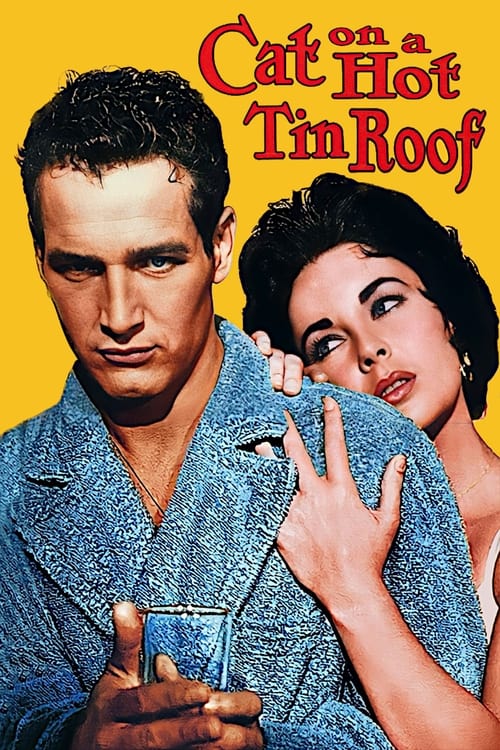
Cat on a Hot Tin Roof
An alcoholic ex-football player drinks his days away, having failed to come to terms with his sexuality and his real feelings for his football buddy who died after an ambiguous accident. His wife is crucified by her desperation to make him desire her: but he resists the affections of his wife. His reunion with his father—who is dying of cancer—jogs a host of memories and revelations for both father and son.
Despite its tight budget of $3.0M, Cat on a Hot Tin Roof became a financial success, earning $17.6M worldwide—a 486% return. The film's bold vision engaged audiences, illustrating how strong storytelling can transcend budget limitations.
Nominated for 6 Oscars. 3 wins & 16 nominations


Plot Structure
Story beats plotted across runtime


Narrative Arc
Emotional journey through the story's key moments
Story Circle
Blueprint 15-beat structure
Arcplot Score Breakdown
Weighted: Precision (70%) + Arc (15%) + Theme (15%)
Cat on a Hot Tin Roof (1958) showcases meticulously timed story structure, characteristic of Richard Brooks's storytelling approach. This structural analysis examines how the film's 15-point plot structure maps to proven narrative frameworks across 1 hour and 48 minutes. With an Arcplot score of 7.0, the film balances conventional beats with creative variation.
Characters
Cast & narrative archetypes
Maggie Pollitt
Brick Pollitt
Big Daddy Pollitt

Big Mama Pollitt

Gooper Pollitt

Mae Pollitt
Main Cast & Characters
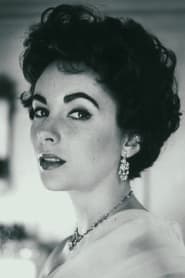
Maggie Pollitt
Played by Elizabeth Taylor
Brick's passionate wife desperate to save her marriage and secure her inheritance while surrounded by family mendacity.
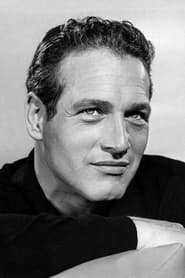
Brick Pollitt
Played by Paul Newman
An alcoholic ex-football player emotionally withdrawn from life after the death of his best friend Skipper.
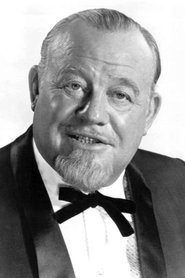
Big Daddy Pollitt
Played by Burl Ives
A wealthy plantation owner dying of cancer who seeks truth and connection with his son Brick on his 65th birthday.
Big Mama Pollitt
Played by Judith Anderson
Big Daddy's devoted wife who clings to denial about her husband's condition and family dysfunction.
Gooper Pollitt
Played by Jack Carson
Brick's scheming older brother, a lawyer maneuvering to inherit the family estate.
Mae Pollitt
Played by Madeleine Sherwood
Gooper's calculating wife who uses her five children as leverage to secure the inheritance.
Structural Analysis
The Status Quo at 1 minutes (1% through the runtime) establishes Brick Pollitt sits alone in an empty football stadium at night, drinking heavily, attempting to jump hurdles and injuring his ankle - a broken former athlete trapped in self-destruction and avoidance.. Structural examination shows that this early placement immediately immerses viewers in the story world.
The inciting incident occurs at 13 minutes when Maggie desperately confronts Brick about their loveless marriage and his drinking, revealing her frustration and need. Brick's response is cold indifference, establishing the central conflict: their broken relationship built on lies.. At 12% through the film, this Disruption aligns precisely with traditional story structure. This beat shifts the emotional landscape, launching the protagonist into the central conflict.
The First Threshold at 28 minutes marks the transition into Act II, occurring at 26% of the runtime. This reveals the protagonist's commitment to Big Daddy demands a private conversation with Brick, forcing him into direct confrontation. This marks the shift from avoidance to unavoidable reckoning - Brick can no longer hide from the truth about himself and Skipper., moving from reaction to action.
At 54 minutes, the Midpoint arrives at 50% of the runtime—precisely centered, creating perfect narrative symmetry. The analysis reveals that this crucial beat Brick reveals the devastating truth: Big Daddy is dying of cancer, the test results were lies. In exchange, Big Daddy forces Brick to confront that Skipper confessed love to him and Brick hung up, leading to Skipper's death. Both men are shattered by truth., fundamentally raising what's at risk. The emotional intensity shifts, dividing the narrative into clear before-and-after phases.
The Collapse moment at 82 minutes (76% through) represents the emotional nadir. Here, Big Daddy, confronting his mortality, delivers a devastating monologue in the basement surrounded by the material possessions of his life, realizing his entire existence has been a lie and he's dying without ever having truly lived., shows the protagonist at their lowest point. This beat's placement in the final quarter sets up the climactic reversal.
The Second Threshold at 88 minutes initiates the final act resolution at 81% of the runtime. Maggie announces she's pregnant (a lie) to secure their inheritance and future. Brick, rather than exposing the deception, subtly supports her. This marks his first active choice to engage with life and his marriage rather than retreat into alcohol., demonstrating the transformation achieved throughout the journey.
Emotional Journey
Cat on a Hot Tin Roof's emotional architecture traces a deliberate progression across 15 carefully calibrated beats.
Narrative Framework
This structural analysis employs systematic plot point analysis that identifies crucial turning points. By mapping Cat on a Hot Tin Roof against these established plot points, we can identify how Richard Brooks utilizes or subverts traditional narrative conventions. The plot point approach reveals not only adherence to structural principles but also creative choices that distinguish Cat on a Hot Tin Roof within the drama genre.
Richard Brooks's Structural Approach
Among the 4 Richard Brooks films analyzed on Arcplot, the average structural score is 6.6, demonstrating varied approaches to story architecture. Cat on a Hot Tin Roof represents one of the director's most structurally precise works. For comparative analysis, explore the complete Richard Brooks filmography.
Comparative Analysis
Additional drama films include After Thomas, South Pacific and Dirty Dancing: Havana Nights. For more Richard Brooks analyses, see Looking for Mr. Goodbar, In Cold Blood and Elmer Gantry.
Plot Points by Act
Act I
SetupStatus Quo
Brick Pollitt sits alone in an empty football stadium at night, drinking heavily, attempting to jump hurdles and injuring his ankle - a broken former athlete trapped in self-destruction and avoidance.
Theme
Big Daddy discusses "mendacity" - the lies people tell each other and themselves. This establishes the film's central theme: truth versus deception in relationships and self-knowledge.
Worldbuilding
The Pollitt family gathers at the Mississippi plantation for Big Daddy's 65th birthday. Tensions emerge: Brick's alcoholism and refusal to touch his wife Maggie, brother Gooper and sister-in-law Mae's scheming for inheritance, and the recent death of Brick's friend Skipper.
Disruption
Maggie desperately confronts Brick about their loveless marriage and his drinking, revealing her frustration and need. Brick's response is cold indifference, establishing the central conflict: their broken relationship built on lies.
Resistance
Maggie fights to save their marriage and position in the family, while Brick retreats deeper into alcohol. Big Daddy and Big Mama receive seemingly good news about his health tests. The family dynamic intensifies as Gooper and Mae position themselves as heirs.
Act II
ConfrontationFirst Threshold
Big Daddy demands a private conversation with Brick, forcing him into direct confrontation. This marks the shift from avoidance to unavoidable reckoning - Brick can no longer hide from the truth about himself and Skipper.
Mirror World
Big Daddy and Brick's relationship deepens as the father attempts to understand his son. Big Daddy represents the thematic mirror - another man facing truth and lies, both about his health and his life's meaning.
Premise
The extended confrontation between Big Daddy and Brick explores the nature of their relationship, Brick's friendship with Skipper, the concept of true friendship versus abnormal love, and both men's disgust with mendacity while living lies themselves.
Midpoint
Brick reveals the devastating truth: Big Daddy is dying of cancer, the test results were lies. In exchange, Big Daddy forces Brick to confront that Skipper confessed love to him and Brick hung up, leading to Skipper's death. Both men are shattered by truth.
Opposition
Big Daddy retreats into rage and despair over his diagnosis. The family fractures as Gooper and Mae make their move for control. Brick remains emotionally frozen. Maggie fights alone to save her marriage and secure their future against the scheming relatives.
Collapse
Big Daddy, confronting his mortality, delivers a devastating monologue in the basement surrounded by the material possessions of his life, realizing his entire existence has been a lie and he's dying without ever having truly lived.
Crisis
The family confronts the reality of Big Daddy's death. Gooper and Mae present legal documents to seize control. Big Mama breaks down. Brick remains passive and distant, seemingly unable to change or grow despite everything that's been revealed.
Act III
ResolutionSecond Threshold
Maggie announces she's pregnant (a lie) to secure their inheritance and future. Brick, rather than exposing the deception, subtly supports her. This marks his first active choice to engage with life and his marriage rather than retreat into alcohol.
Synthesis
Maggie takes control of Brick's alcohol, declaring she'll make her lie into truth. Brick must choose between his crutch and his wife. In their final confrontation, Brick shows the first signs of thawing, of choosing connection over isolation.
Transformation
Brick and Maggie stand together on the bed in an intimate moment. While ambiguous, Brick's body language and gaze suggest acceptance and possibility - a broken man taking the first steps toward choosing life, love, and truth over self-destruction.