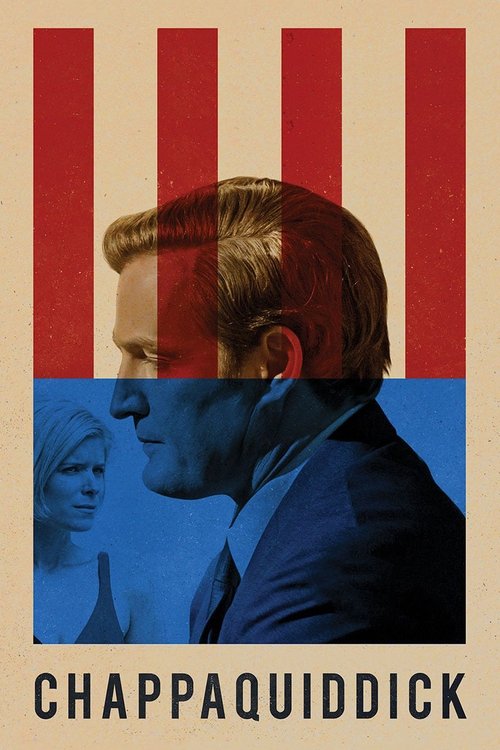
Chappaquiddick
Ted Kennedy's life and political career become derailed in the aftermath of a fatal car accident in 1969 that claims the life of a young campaign strategist, Mary Jo Kopechne.
The film underperformed commercially against its moderate budget of $34.0M, earning $17.9M globally (-47% loss). While initial box office returns were modest, the film has gained appreciation for its innovative storytelling within the history genre.


Plot Structure
Story beats plotted across runtime


Narrative Arc
Emotional journey through the story's key moments
Story Circle
Blueprint 15-beat structure
Arcplot Score Breakdown
Weighted: Precision (70%) + Arc (15%) + Theme (15%)
Chappaquiddick (2018) exemplifies precise narrative architecture, characteristic of John Curran's storytelling approach. This structural analysis examines how the film's 15-point plot structure maps to proven narrative frameworks across 1 hour and 47 minutes. With an Arcplot score of 7.1, the film balances conventional beats with creative variation.
Characters
Cast & narrative archetypes

Ted Kennedy
Joe Kennedy Sr.
Mary Jo Kopechne
Joe Gargan
Paul Markham
Robert McNamara
Joan Kennedy
Main Cast & Characters
Ted Kennedy
Played by Jason Clarke
U.S. Senator struggling with the aftermath of a fatal car accident at Chappaquiddick that killed Mary Jo Kopechne, torn between political ambition and moral responsibility.
Joe Kennedy Sr.
Played by Bruce Dern
Ted's authoritarian father and former ambassador, incapacitated by a stroke but still exerting immense psychological pressure on his son to protect the family legacy.
Mary Jo Kopechne
Played by Kate Mara
Former campaign worker for Robert F. Kennedy who drowns in Ted Kennedy's car after it goes off a bridge at Chappaquiddick.
Joe Gargan
Played by Ed Helms
Ted's loyal cousin and attorney who urges him to report the accident immediately and struggles with being drawn into the cover-up.
Paul Markham
Played by Jim Gaffigan
Former U.S. Attorney and Kennedy insider who assists in the immediate aftermath of the accident.
Robert McNamara
Played by Clancy Brown
Former Secretary of Defense and Kennedy family strategist who helps manage the political fallout and craft Ted's public response.
Joan Kennedy
Played by Andria Blackman
Ted's wife who struggles with alcoholism and the burden of being a Kennedy spouse during the scandal.
Structural Analysis
The Status Quo at 1 minutes (1% through the runtime) establishes Ted Kennedy is shown as a charismatic senator and Kennedy family member, living in the shadow of his deceased brothers JFK and Bobby, preparing for a party on Chappaquiddick Island.. The analysis reveals that this early placement immediately immerses viewers in the story world.
The inciting incident occurs at 12 minutes when Ted Kennedy offers Mary Jo Kopechne a ride back to her hotel. He drives off the Dike Bridge into Poucha Pond, escaping the submerged car but leaving Mary Jo trapped inside to drown.. At 11% through the film, this Disruption aligns precisely with traditional story structure. This beat shifts the emotional landscape, launching the protagonist into the central conflict.
The First Threshold at 25 minutes marks the transition into Act II, occurring at 23% of the runtime. This illustrates the protagonist's commitment to Ted makes the active choice to return to his hotel and establish an alibi rather than immediately reporting the accident. He crosses into the world of cover-up and deception., moving from reaction to action.
At 52 minutes, the Midpoint arrives at 48% of the runtime—precisely centered, creating perfect narrative symmetry. The analysis reveals that this crucial beat Mary Jo's body is discovered by police divers. The false hope that the incident could be quietly managed collapses. The stakes escalate from private crisis to public scandal, and the cover-up becomes exponentially more difficult., fundamentally raising what's at risk. The emotional intensity shifts, dividing the narrative into clear before-and-after phases.
The Collapse moment at 79 minutes (74% through) represents the emotional nadir. Here, Ted appears at Mary Jo's funeral, facing her grieving parents. The "whiff of death" is literal—Mary Jo is dead because of his choices. His moral bankruptcy is fully exposed when the Kopechnes' silent pain confronts his political calculation., illustrates the protagonist at their lowest point. This beat's placement in the final quarter sets up the climactic reversal.
The Second Threshold at 85 minutes initiates the final act resolution at 80% of the runtime. Ted decides to deliver a televised address to the people of Massachusetts, asking whether he should resign. Instead of accepting responsibility, he chooses to manipulate public sympathy and maintain power. He synthesizes his family training with his own weakness., demonstrating the transformation achieved throughout the journey.
Emotional Journey
Chappaquiddick's emotional architecture traces a deliberate progression across 15 carefully calibrated beats.
Narrative Framework
This structural analysis employs a 15-point narrative structure framework that maps key story moments. By mapping Chappaquiddick against these established plot points, we can identify how John Curran utilizes or subverts traditional narrative conventions. The plot point approach reveals not only adherence to structural principles but also creative choices that distinguish Chappaquiddick within the history genre.
John Curran's Structural Approach
Among the 4 John Curran films analyzed on Arcplot, the average structural score is 7.1, reflecting strong command of classical structure. Chappaquiddick takes a more unconventional approach compared to the director's typical style. For comparative analysis, explore the complete John Curran filmography.
Comparative Analysis
Additional history films include The Attacks Of 26/11, Joyeux Noel and Rob Roy. For more John Curran analyses, see Stone, Tracks and The Painted Veil.
Plot Points by Act
Act I
SetupStatus Quo
Ted Kennedy is shown as a charismatic senator and Kennedy family member, living in the shadow of his deceased brothers JFK and Bobby, preparing for a party on Chappaquiddick Island.
Theme
Joe Kennedy Sr. tells Ted, "You'll never be great," establishing the theme of legacy, inadequacy, and the burden of family expectations versus personal responsibility.
Worldbuilding
Introduction to Ted Kennedy's world of privilege and political ambition. The Boiler Room Girls arrive for a party celebrating Bobby Kennedy campaign workers. Ted's damaged relationship with his authoritarian father and the weight of Kennedy legacy is established.
Disruption
Ted Kennedy offers Mary Jo Kopechne a ride back to her hotel. He drives off the Dike Bridge into Poucha Pond, escaping the submerged car but leaving Mary Jo trapped inside to drown.
Resistance
Ted debates what to do—whether to report the accident or protect his political career. He returns to the party, enlists his cousin Joe Gargan and lawyer Paul Markham to help. They attempt to dive and rescue Mary Jo but fail. Ted resists calling authorities.
Act II
ConfrontationFirst Threshold
Ted makes the active choice to return to his hotel and establish an alibi rather than immediately reporting the accident. He crosses into the world of cover-up and deception.
Mirror World
Joe Gargan confronts Ted about doing the right thing, serving as the moral conscience and thematic counterpoint. Gargan represents integrity versus Ted's self-preservation instinct.
Premise
The "premise" of political damage control unfolds. Kennedy family fixers arrive and craft a strategy. Ted navigates police questioning, media scrutiny, and public appearances while maintaining the cover story. The machinery of Kennedy power is deployed.
Midpoint
Mary Jo's body is discovered by police divers. The false hope that the incident could be quietly managed collapses. The stakes escalate from private crisis to public scandal, and the cover-up becomes exponentially more difficult.
Opposition
Pressure intensifies from all sides: police investigation deepens, media swarms, the Kopechne family grieves, and political advisors scheme. Ted's lies multiply and trap him. Joe Gargan's moral opposition grows. Ted must decide whether to accept responsibility or continue the cover-up.
Collapse
Ted appears at Mary Jo's funeral, facing her grieving parents. The "whiff of death" is literal—Mary Jo is dead because of his choices. His moral bankruptcy is fully exposed when the Kopechnes' silent pain confronts his political calculation.
Crisis
Ted grapples with whether to resign from the Senate. He receives his father's final contemptuous dismissal. The dark night of realizing he will never escape his family's judgment or his own cowardice.
Act III
ResolutionSecond Threshold
Ted decides to deliver a televised address to the people of Massachusetts, asking whether he should resign. Instead of accepting responsibility, he chooses to manipulate public sympathy and maintain power. He synthesizes his family training with his own weakness.
Synthesis
The finale shows Ted's televised speech, the public's overwhelmingly supportive response, his pleading guilty to leaving the scene, receiving a suspended sentence, and returning to the Senate. The political machine succeeds. Justice fails.
Transformation
Ted Kennedy walks back into the Senate to applause, contrasted with Mary Jo's parents mourning alone. The transformation is tragic—Ted has become exactly what his father predicted: someone who takes the easy path, choosing power over integrity. A corruption arc completed.