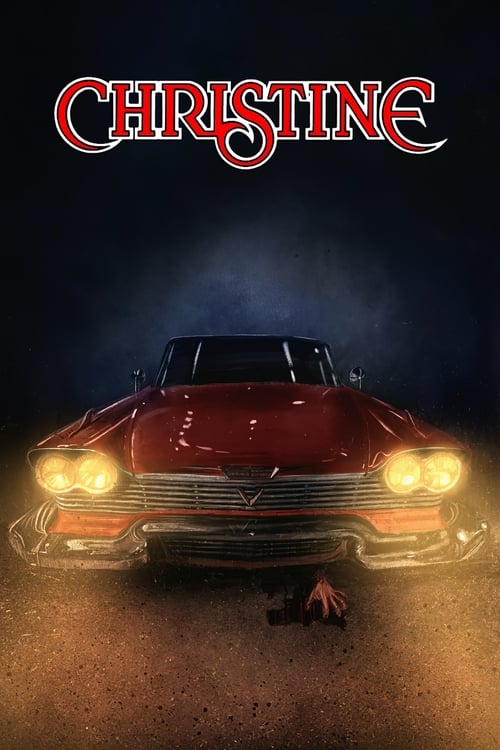
Christine
Nerdy high schooler Arnie Cunningham falls for Christine, a rusty 1958 Plymouth Fury, and becomes obsessed with restoring the classic automobile to her former glory. As the car changes, so does Arnie, whose newfound confidence turns to arrogance behind the wheel of his exotic beauty. Arnie's girlfriend Leigh and best friend Dennis reach out to him, only to be met by a Fury like no other.
Despite its tight budget of $9.7M, Christine became a box office success, earning $21.2M worldwide—a 119% return.
1 win & 3 nominations


Plot Structure
Story beats plotted across runtime


Narrative Arc
Emotional journey through the story's key moments
Story Circle
Blueprint 15-beat structure
Arcplot Score Breakdown
Weighted: Precision (70%) + Arc (15%) + Theme (15%)
Christine (1983) exhibits strategically placed narrative architecture, characteristic of John Carpenter's storytelling approach. This structural analysis examines how the film's 15-point plot structure maps to proven narrative frameworks across 1 hour and 50 minutes. With an Arcplot score of 6.5, the film balances conventional beats with creative variation.
Characters
Cast & narrative archetypes

Arnie Cunningham

Christine (The Car)
Dennis Guilder

Leigh Cabot
Roland D. LeBay

Detective Rudy Junkins

Will Darnell
Main Cast & Characters
Arnie Cunningham
Played by Keith Gordon
A nerdy, bullied high school student who becomes obsessed with a possessed 1958 Plymouth Fury named Christine, transforming into an aggressive, possessive person.
Christine (The Car)
A sentient, malevolent 1958 Plymouth Fury with supernatural powers that possesses and corrupts its owner.
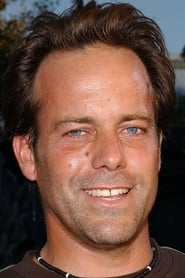
Dennis Guilder
Played by John Stockwell
Arnie's loyal best friend and football player who tries to save him from Christine's influence.
Leigh Cabot
Played by Alexandra Paul
The new girl at school who becomes Arnie's girlfriend but grows concerned about his obsession with Christine.
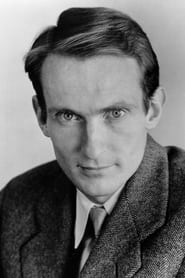
Roland D. LeBay
Played by Roberts Blossom
The elderly, malicious original owner of Christine who dies shortly after selling the car to Arnie.
Detective Rudy Junkins
Played by Harry Dean Stanton
A persistent police detective investigating the mysterious deaths connected to Christine.
Will Darnell
Played by Robert Prosky
The cynical, corrupt owner of a garage where Arnie stores and restores Christine.
Structural Analysis
The Status Quo at 1 minutes (1% through the runtime) establishes Arnie Cunningham is bullied at school, a lonely, insecure nerd dominated by his overprotective parents and tormented by classmates. He represents the powerless outcast before transformation.. The analysis reveals that this early placement immediately immerses viewers in the story world.
The inciting incident occurs at 14 minutes when Arnie sees Christine for the first time—a rusted, broken-down 1958 Plymouth Fury with a "For Sale" sign. He becomes instantly transfixed, hearing the car call to him despite its dilapidated condition.. At 13% through the film, this Disruption is delayed, allowing extended setup of the story world. This beat shifts the emotional landscape, launching the protagonist into the central conflict.
The First Threshold at 27 minutes marks the transition into Act II, occurring at 24% of the runtime. This indicates the protagonist's commitment to Arnie makes the irrevocable choice to defy his parents and buy Christine, storing her at Darnell's garage. He crosses into obsession, choosing the car over all relationships and beginning his transformation., moving from reaction to action.
At 55 minutes, the Midpoint arrives at 50% of the runtime—precisely centered, creating perfect narrative symmetry. Structural examination shows that this crucial beat Christine attempts to kill Leigh by choking her with a hamburger during their date inside the car, revealing the car's murderous jealousy. False victory of Arnie's transformation turns dark—he's no longer in control., fundamentally raising what's at risk. The emotional intensity shifts, dividing the narrative into clear before-and-after phases.
The Collapse moment at 83 minutes (75% through) represents the emotional nadir. Here, Christine kills Detective Junkins and Darnell. Arnie's parents die in a fire caused by Christine. Arnie is now completely alone, fully merged with the car's evil. The "whiff of death" consumes everyone who stood between Arnie and Christine., illustrates the protagonist at their lowest point. This beat's placement in the final quarter sets up the climactic reversal.
The Second Threshold at 89 minutes initiates the final act resolution at 81% of the runtime. Dennis and Leigh break into Darnell's garage and devise a plan to destroy Christine using a bulldozer. They synthesize their love for Arnie with the knowledge that the car must be crushed to end the evil., demonstrating the transformation achieved throughout the journey.
Emotional Journey
Christine's emotional architecture traces a deliberate progression across 15 carefully calibrated beats.
Narrative Framework
This structural analysis employs systematic plot point analysis that identifies crucial turning points. By mapping Christine against these established plot points, we can identify how John Carpenter utilizes or subverts traditional narrative conventions. The plot point approach reveals not only adherence to structural principles but also creative choices that distinguish Christine within the horror genre.
John Carpenter's Structural Approach
Among the 16 John Carpenter films analyzed on Arcplot, the average structural score is 6.9, demonstrating varied approaches to story architecture. Christine takes a more unconventional approach compared to the director's typical style. For comparative analysis, explore the complete John Carpenter filmography.
Comparative Analysis
Additional horror films include Thinner, A Nightmare on Elm Street and Mary Reilly. For more John Carpenter analyses, see Halloween, In the Mouth of Madness and Escape from L.A..
Plot Points by Act
Act I
SetupStatus Quo
Arnie Cunningham is bullied at school, a lonely, insecure nerd dominated by his overprotective parents and tormented by classmates. He represents the powerless outcast before transformation.
Theme
Dennis tells Arnie, "You can't polish a turd," referring to the decrepit 1958 Plymouth Fury. This establishes the film's theme: the danger of obsession and the impossibility of restoring corruption to purity.
Worldbuilding
Introduction to Arnie's suffocating home life with controlling parents, his friendship with football star Dennis, the school social hierarchy, and the establishment of 1978 suburban California setting.
Disruption
Arnie sees Christine for the first time—a rusted, broken-down 1958 Plymouth Fury with a "For Sale" sign. He becomes instantly transfixed, hearing the car call to him despite its dilapidated condition.
Resistance
Dennis tries to talk Arnie out of buying Christine. Arnie's parents forbid him from purchasing the car. Arnie defies everyone, buys Christine from the sinister George LeBay, and rents garage space from Darnell. First signs of personality change emerge.
Act II
ConfrontationFirst Threshold
Arnie makes the irrevocable choice to defy his parents and buy Christine, storing her at Darnell's garage. He crosses into obsession, choosing the car over all relationships and beginning his transformation.
Mirror World
Arnie meets Leigh Cavendish, the beautiful new girl at school, and asks her out. She represents normal love and human connection—the thematic opposite of Christine's possessive, corrupting influence.
Premise
Arnie restores Christine to pristine condition with supernatural speed. His confidence grows as he transforms from nerd to cool, but becomes increasingly arrogant and possessive. Romance with Leigh develops. Christine's jealous, malevolent nature emerges, killing the bullies who vandalized her.
Midpoint
Christine attempts to kill Leigh by choking her with a hamburger during their date inside the car, revealing the car's murderous jealousy. False victory of Arnie's transformation turns dark—he's no longer in control.
Opposition
Arnie becomes fully possessed, defending Christine over Leigh and Dennis. Detective Junkins investigates the deaths linked to the car. Dennis and Leigh realize Arnie is lost to Christine's influence. The car's power grows as Arnie's humanity diminishes.
Collapse
Christine kills Detective Junkins and Darnell. Arnie's parents die in a fire caused by Christine. Arnie is now completely alone, fully merged with the car's evil. The "whiff of death" consumes everyone who stood between Arnie and Christine.
Crisis
Dennis, recovering from football injury in hospital, and Leigh realize they must destroy Christine to save Arnie's soul and stop the killing. They mourn the friend they've lost and steel themselves for confrontation.
Act III
ResolutionSecond Threshold
Dennis and Leigh break into Darnell's garage and devise a plan to destroy Christine using a bulldozer. They synthesize their love for Arnie with the knowledge that the car must be crushed to end the evil.
Synthesis
Dennis uses the bulldozer to battle Christine in the garage while Leigh distracts Arnie. The car repairs itself repeatedly, but Dennis crushes it into a cube. Arnie dies trying to save Christine, finally released from possession.
Transformation
Dennis and Leigh drive away together, traumatized survivors. In the junkyard, Christine's crushed remains twitch with lingering malevolence—evil cannot be fully destroyed, only contained. The final image mirrors the opening corruption.