
Halloween
Fifteen years after murdering his sister on Halloween Night 1963, Michael Myers escapes from a mental hospital and returns to the small town of Haddonfield, Illinois to kill again.
Despite its minimal budget of $325K, Halloween became a commercial juggernaut, earning $70.3M worldwide—a remarkable 21519% return. The film's bold vision engaged audiences, showing that strong storytelling can transcend budget limitations.
9 wins & 3 nominations


Plot Structure
Story beats plotted across runtime


Narrative Arc
Emotional journey through the story's key moments
Story Circle
Blueprint 15-beat structure
Arcplot Score Breakdown
Weighted: Precision (70%) + Arc (15%) + Theme (15%)
Halloween (1978) exhibits deliberately positioned plot construction, characteristic of John Carpenter's storytelling approach. This structural analysis examines how the film's 15-point plot structure maps to proven narrative frameworks across 1 hour and 31 minutes. With an Arcplot score of 7.1, the film balances conventional beats with creative variation.
Characters
Cast & narrative archetypes

Laurie Strode

Michael Myers
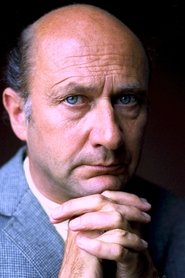
Dr. Sam Loomis

Annie Brackett

Lynda van der Klok
Main Cast & Characters
Laurie Strode
Played by Jamie Lee Curtis
A responsible high school student who becomes the primary target of Michael Myers on Halloween night.
Michael Myers
Played by Nick Castle
A masked killer who escapes from a psychiatric hospital and returns to his hometown to stalk and kill on Halloween.
Dr. Sam Loomis
Played by Donald Pleasence
Michael Myers' psychiatrist who desperately tries to stop his patient's killing spree.
Annie Brackett
Played by Nancy Kyes
Laurie's best friend and the sheriff's daughter who babysits on Halloween night.
Lynda van der Klok
Played by P.J. Soles
A carefree, boy-crazy friend of Laurie who prioritizes fun over responsibility.
Structural Analysis
The Status Quo at 1 minutes (1% through the runtime) establishes Halloween 1963: A POV shot approaches the Myers house in Haddonfield. We watch through a killer's eyes as young Judith Myers is murdered, revealed to be six-year-old Michael Myers holding a bloody knife.. Significantly, this early placement immediately immerses viewers in the story world.
The inciting incident occurs at 10 minutes when Laurie notices a strange figure in a white mask watching her from across the street. Michael has returned to Haddonfield and has chosen Laurie as his target. The Shape begins stalking her throughout the day.. At 11% through the film, this Disruption aligns precisely with traditional story structure. This beat shifts the emotional landscape, launching the protagonist into the central conflict.
The First Threshold at 22 minutes marks the transition into Act II, occurring at 24% of the runtime. This reveals the protagonist's commitment to Night falls on Halloween. Laurie commits to babysitting Tommy Doyle while her friends Annie and Lynda make their own plans. She crosses into the dangerous night, entering Michael's hunting ground as darkness descends on Haddonfield., moving from reaction to action.
At 46 minutes, the Midpoint arrives at 51% of the runtime—precisely centered, creating perfect narrative symmetry. Notably, this crucial beat Michael claims his first victim of the night: Annie is strangled and has her throat slashed in her car. The Shape has moved from stalking to killing. The false security of the quiet neighborhood is shattered - the horror has truly begun., fundamentally raising what's at risk. The emotional intensity shifts, dividing the narrative into clear before-and-after phases.
The Collapse moment at 68 minutes (75% through) represents the emotional nadir. Here, Laurie discovers the bodies of her friends arranged in the Wallace house - Annie on the bed beneath Judith's headstone, Bob in the closet, Lynda hidden. Michael emerges from the shadows and slashes her arm. She is alone, wounded, and hunted., demonstrates the protagonist at their lowest point. This beat's placement in the final quarter sets up the climactic reversal.
The Second Threshold at 73 minutes initiates the final act resolution at 80% of the runtime. Laurie breaks into the house and makes a crucial decision: instead of just hiding, she tells Tommy and Lindsey to hide and prepares to fight. She transforms from victim to protector, choosing to confront the evil rather than simply flee., demonstrating the transformation achieved throughout the journey.
Emotional Journey
Halloween's emotional architecture traces a deliberate progression across 15 carefully calibrated beats.
Narrative Framework
This structural analysis employs structural analysis methodology used to understand storytelling architecture. By mapping Halloween against these established plot points, we can identify how John Carpenter utilizes or subverts traditional narrative conventions. The plot point approach reveals not only adherence to structural principles but also creative choices that distinguish Halloween within the horror genre.
John Carpenter's Structural Approach
Among the 16 John Carpenter films analyzed on Arcplot, the average structural score is 6.9, demonstrating varied approaches to story architecture. Halloween represents one of the director's most structurally precise works. For comparative analysis, explore the complete John Carpenter filmography.
Comparative Analysis
Additional horror films include Thinner, A Nightmare on Elm Street and Mary Reilly. For more John Carpenter analyses, see In the Mouth of Madness, Escape from L.A. and They Live.
Plot Points by Act
Act I
SetupStatus Quo
Halloween 1963: A POV shot approaches the Myers house in Haddonfield. We watch through a killer's eyes as young Judith Myers is murdered, revealed to be six-year-old Michael Myers holding a bloody knife.
Theme
Dr. Loomis tells the nurse: "Don't underestimate it." He describes Michael as having "the blackest eyes, the devil's eyes" - pure evil that waited fifteen years for this moment. Evil exists without reason or mercy.
Worldbuilding
Fifteen years later, Michael escapes Smith's Grove Sanitarium. We meet Laurie Strode, a responsible, bookish teenager in Haddonfield. She drops off a key at the Myers house for her realtor father, unknowingly drawing Michael's attention.
Disruption
Laurie notices a strange figure in a white mask watching her from across the street. Michael has returned to Haddonfield and has chosen Laurie as his target. The Shape begins stalking her throughout the day.
Resistance
Dr. Loomis arrives in Haddonfield, investigating Michael's trail. He visits the cemetery, discovering Judith's headstone is missing. Laurie continues seeing the masked figure but dismisses her fears. Loomis warns Sheriff Brackett that Michael has come home.
Act II
ConfrontationFirst Threshold
Night falls on Halloween. Laurie commits to babysitting Tommy Doyle while her friends Annie and Lynda make their own plans. She crosses into the dangerous night, entering Michael's hunting ground as darkness descends on Haddonfield.
Mirror World
Dr. Loomis stakes out the Myers house, waiting for Michael to return. He represents the thematic mirror - someone who has stared into pure evil and been changed by it. His obsessive pursuit parallels Michael's obsessive stalking.
Premise
Halloween night unfolds with mounting dread. Laurie babysits Tommy while Michael watches from the shadows. Annie babysits Lindsey across the street. The teenagers go about normal activities - carving pumpkins, watching horror movies - unaware of the stalker outside.
Midpoint
Michael claims his first victim of the night: Annie is strangled and has her throat slashed in her car. The Shape has moved from stalking to killing. The false security of the quiet neighborhood is shattered - the horror has truly begun.
Opposition
Michael systematically eliminates Laurie's friends. Bob is pinned to the wall with a kitchen knife. Lynda is strangled with a phone cord while Laurie listens, thinking it's a prank. Dr. Loomis searches desperately but can't find Michael in time.
Collapse
Laurie discovers the bodies of her friends arranged in the Wallace house - Annie on the bed beneath Judith's headstone, Bob in the closet, Lynda hidden. Michael emerges from the shadows and slashes her arm. She is alone, wounded, and hunted.
Crisis
Laurie flees across the street, screaming for help, but neighbors ignore her. She's locked out of the Doyle house. Michael pursues relentlessly. The quiet suburban street offers no sanctuary - evil has invaded the ordinary world completely.
Act III
ResolutionSecond Threshold
Laurie breaks into the house and makes a crucial decision: instead of just hiding, she tells Tommy and Lindsey to hide and prepares to fight. She transforms from victim to protector, choosing to confront the evil rather than simply flee.
Synthesis
Laurie fights Michael repeatedly - stabbing him with a knitting needle, a wire hanger, his own knife. Each time he rises again. Dr. Loomis finally arrives and shoots Michael six times, sending him off the balcony. The nightmare seems over.
Transformation
Loomis looks over the balcony - Michael's body is gone. "It was the boogeyman," Laurie says. "As a matter of fact, it was," Loomis confirms. The final shots show empty locations where Michael stalked - evil has survived and could be anywhere.