
Citizen Kane
A group of reporters are trying to decipher the last word ever spoken by Charles Foster Kane, the millionaire newspaper tycoon: "Rosebud". The film begins with a news reel detailing Kane's life for the masses, and then from there, we are shown flashbacks from Kane's life. As the reporters investigate further, the viewers see a display of a fascinating man's rise to fame, and how he eventually fell off the top of the world.
Despite its extremely modest budget of $840K, Citizen Kane became a box office phenomenon, earning $23.2M worldwide—a remarkable 2665% return. The film's distinctive approach engaged audiences, confirming that strong storytelling can transcend budget limitations.
1 Oscar. 16 wins & 13 nominations


Plot Structure
Story beats plotted across runtime


Narrative Arc
Emotional journey through the story's key moments
Story Circle
Blueprint 15-beat structure
Arcplot Score Breakdown
Weighted: Precision (70%) + Arc (15%) + Theme (15%)
Citizen Kane (1941) reveals carefully calibrated dramatic framework, characteristic of Orson Welles's storytelling approach. This structural analysis examines how the film's 15-point plot structure maps to proven narrative frameworks across 1 hour and 59 minutes. With an Arcplot score of 6.0, the film takes an unconventional approach to traditional narrative frameworks.
Characters
Cast & narrative archetypes
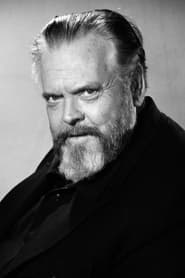
Charles Foster Kane
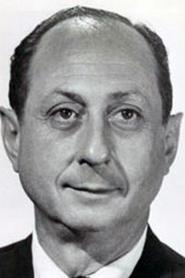
Jerry Thompson

Susan Alexander Kane
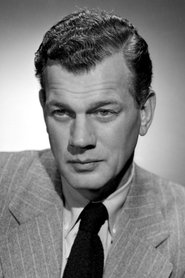
Jedediah Leland
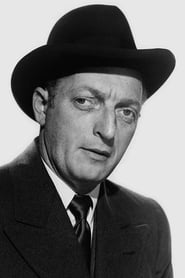
Mr. Bernstein
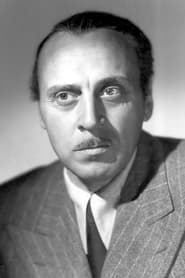
Walter Parks Thatcher

Emily Monroe Norton Kane
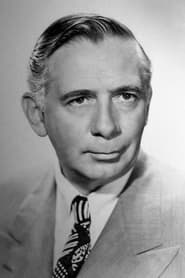
Jim W. Gettys
Main Cast & Characters
Charles Foster Kane
Played by Orson Welles
A wealthy newspaper magnate whose life is examined after his death through the memories of those who knew him
Jerry Thompson
Played by William Alland
A reporter investigating the meaning of Kane's final word "Rosebud"
Susan Alexander Kane
Played by Dorothy Comingore
Kane's second wife, a struggling singer pushed beyond her abilities
Jedediah Leland
Played by Joseph Cotten
Kane's best friend and drama critic who becomes disillusioned with Kane's betrayal of principles
Mr. Bernstein
Played by Everett Sloane
Kane's loyal business manager and lifelong supporter who remains devoted despite everything
Walter Parks Thatcher
Played by George Coulouris
Kane's guardian and banker who represents establishment power and tries to control Kane
Emily Monroe Norton Kane
Played by Ruth Warrick
Kane's first wife from a prominent political family whose marriage deteriorates into cold silence
Jim W. Gettys
Played by Ray Collins
Political boss and Kane's rival who exposes his affair and destroys his gubernatorial campaign
Structural Analysis
The Status Quo at 2 minutes (2% through the runtime) establishes Kane dies alone in Xanadu, his vast empty palace, dropping a snow globe and whispering "Rosebud." The image establishes his end state: isolated, wealthy beyond measure, yet completely alone.. The analysis reveals that this early placement immediately immerses viewers in the story world.
The inciting incident occurs at 13 minutes when Reporter Jerry Thompson is assigned to discover the meaning of Kane's final word, "Rosebud." This mystery disrupts the neat biographical narrative and launches the investigation that structures the entire film.. At 11% through the film, this Disruption aligns precisely with traditional story structure. This beat shifts the emotional landscape, launching the protagonist into the central conflict.
The First Threshold at 26 minutes marks the transition into Act II, occurring at 22% of the runtime. This reveals the protagonist's commitment to Young Kane takes control of the Inquirer newspaper, declaring his "Declaration of Principles" to speak for the people. This active choice launches Kane's public life and represents his first attempt to gain love through power and influence., moving from reaction to action.
At 54 minutes, the Midpoint arrives at 45% of the runtime—arriving early, accelerating into Act IIb complications. The analysis reveals that this crucial beat Kane's political career collapses when Boss Jim Gettys exposes his affair with Susan Alexander. Forced to choose between political ambition and Susan, Kane refuses to withdraw—a false victory that becomes devastating defeat as he loses the election and his first marriage., fundamentally raising what's at risk. The emotional intensity shifts, dividing the narrative into clear before-and-after phases.
The Collapse moment at 80 minutes (67% through) represents the emotional nadir. Here, Susan attempts suicide after Kane forces her to continue singing. This "whiff of death" represents the destruction Kane causes through his inability to love without controlling. His dream of being loved through manufactured success lies in ruins., illustrates the protagonist at their lowest point. This beat's placement in the final quarter sets up the climactic reversal.
The Second Threshold at 84 minutes initiates the final act resolution at 71% of the runtime. Susan leaves Kane despite his desperate pleas. "You don't love me—you want me to love you." Her departure forces Kane to face what he has become: a man who tried to buy love and ended up completely alone. The final act of his tragedy begins., demonstrating the transformation achieved throughout the journey.
Emotional Journey
Citizen Kane's emotional architecture traces a deliberate progression across 15 carefully calibrated beats.
Narrative Framework
This structural analysis employs a 15-point narrative structure framework that maps key story moments. By mapping Citizen Kane against these established plot points, we can identify how Orson Welles utilizes or subverts traditional narrative conventions. The plot point approach reveals not only adherence to structural principles but also creative choices that distinguish Citizen Kane within the drama genre.
Comparative Analysis
Additional drama films include After Thomas, South Pacific and Dirty Dancing: Havana Nights.
Plot Points by Act
Act I
SetupStatus Quo
Kane dies alone in Xanadu, his vast empty palace, dropping a snow globe and whispering "Rosebud." The image establishes his end state: isolated, wealthy beyond measure, yet completely alone.
Theme
Rawlston, the newsreel editor, declares "It isn't enough to tell us what a man did, you've got to tell us who he was." This establishes the film's thematic investigation: can we ever truly know another person, especially through their possessions and achievements?
Worldbuilding
The "News on the March" newsreel presents Kane's public life in documentary style—his wealth, newspaper empire, political ambitions, marriages, and death. We see the external facts of a titan's life without understanding the man himself.
Disruption
Reporter Jerry Thompson is assigned to discover the meaning of Kane's final word, "Rosebud." This mystery disrupts the neat biographical narrative and launches the investigation that structures the entire film.
Resistance
Thompson visits Susan Alexander at a nightclub, who refuses to speak, then reads Thatcher's memoirs. We learn of young Kane's childhood—taken from his mother, given a fortune, raised without love. The backstory provides context for the man Kane would become.
Act II
ConfrontationFirst Threshold
Young Kane takes control of the Inquirer newspaper, declaring his "Declaration of Principles" to speak for the people. This active choice launches Kane's public life and represents his first attempt to gain love through power and influence.
Mirror World
Through Bernstein's account, we see Kane's early idealism and friendship with Jedediah Leland. Leland represents Kane's conscience and the possibility of genuine connection—the thematic counterpoint to Kane's eventual corruption.
Premise
Kane builds his empire and lives the promise of the premise: crusading journalism, acquiring art and newspapers, marrying Emily Norton (the President's niece), running for governor. The fun of watching a man try to buy the world's love.
Midpoint
Kane's political career collapses when Boss Jim Gettys exposes his affair with Susan Alexander. Forced to choose between political ambition and Susan, Kane refuses to withdraw—a false victory that becomes devastating defeat as he loses the election and his first marriage.
Opposition
Kane marries Susan and obsessively forces her into an opera career she never wanted. His need to control intensifies. Jedediah writes a negative review; Kane finishes it and fires him. Susan's humiliation and Kane's isolation deepen as everyone who loved him leaves.
Collapse
Susan attempts suicide after Kane forces her to continue singing. This "whiff of death" represents the destruction Kane causes through his inability to love without controlling. His dream of being loved through manufactured success lies in ruins.
Crisis
In the aftermath, Kane finally allows Susan to quit singing. They retreat to Xanadu, but the damage is done. Their marriage becomes a hollow prison of jigsaw puzzles and silence—Kane's dark night of the soul stretched across years of emotional wasteland.
Act III
ResolutionSecond Threshold
Susan leaves Kane despite his desperate pleas. "You don't love me—you want me to love you." Her departure forces Kane to face what he has become: a man who tried to buy love and ended up completely alone. The final act of his tragedy begins.
Synthesis
Thompson interviews Raymond the butler, learning of Kane's final years alone in Xanadu. Kane destroys Susan's room in rage, then stops when he finds a snow globe, whispering "Rosebud." Thompson concludes no single word can explain a man's life.
Transformation
As workers burn Kane's countless possessions, the camera reveals Rosebud: his childhood sled, thrown into the flames. The answer Kane sought his whole life—simple love and innocence—was lost when he was taken from his mother. He never recovered. Smoke rises from Xanadu's chimney.