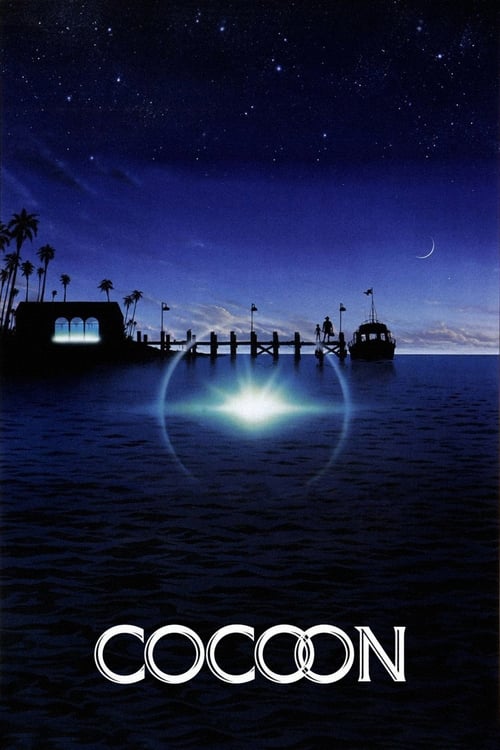
Cocoon
When a group of trespassing seniors swim in a pool containing alien cocoons, they find themselves energized with youthful vigor.
Despite a mid-range budget of $17.5M, Cocoon became a box office success, earning $85.3M worldwide—a 387% return.
2 Oscars. 7 wins & 11 nominations
Plot Structure
Story beats plotted across runtime


Narrative Arc
Emotional journey through the story's key moments
Story Circle
Blueprint 15-beat structure
Arcplot Score Breakdown
Weighted: Precision (70%) + Arc (15%) + Theme (15%)
Cocoon (1985) exhibits meticulously timed plot construction, characteristic of Ron Howard's storytelling approach. This structural analysis examines how the film's 15-point plot structure maps to proven narrative frameworks across 1 hour and 57 minutes. With an Arcplot score of 7.1, the film balances conventional beats with creative variation.
Characters
Cast & narrative archetypes

Art Selwyn
Ben Luckett
Joe Finley
Walter
Jack Bonner
Kitty
Alma Finley
Bess McCarthy
Mary Luckett
Main Cast & Characters
Art Selwyn
Played by Don Ameche
Gentle retirement home resident who discovers the alien cocoons and their rejuvenating power, becoming the heart of the group.
Ben Luckett
Played by Wilford Brimley
Pragmatic leader of the elderly trio who initially discovers the pool, wrestling with the choice between youth and family.
Joe Finley
Played by Hume Cronyn
The most reluctant of the group, devoted to his ailing wife Alma, facing the painful reality of mortality and loss.
Walter
Played by Brian Dennehy
Alien leader disguised as human, compassionate and mission-focused, trying to rescue his people while respecting humanity.
Jack Bonner
Played by Steve Guttenberg
Young boat captain who discovers Walter's secret and becomes romantically involved with the alien Kitty.
Kitty
Played by Tahnee Welch
Beautiful alien in human form who falls in love with Jack, torn between her mission and newfound human emotions.
Alma Finley
Played by Jessica Tandy
Joe's terminally ill wife, wise and accepting of death, providing emotional grounding and perspective on mortality.
Bess McCarthy
Played by Gwen Verdon
Art's wife, initially skeptical but ultimately supportive, struggling with the implications of eternal youth.
Mary Luckett
Played by Maureen Stapleton
Ben's loving wife and grandmother, torn between the gift of youth and leaving her family behind.
Structural Analysis
The Status Quo at 1 minutes (1% through the runtime) establishes Three elderly friends—Art, Ben, and Joe—living in a Florida retirement community, sneaking onto a neighboring estate to swim in a pool. They are full of life but constrained by aging bodies and the monotony of retirement.. The analysis reveals that this early placement immediately immerses viewers in the story world.
The inciting incident occurs at 13 minutes when A group of mysterious strangers led by Walter rent the neighboring estate and place large cocoons in the pool the men have been using. The men discover the pool's water has a strange, energizing effect after swimming.. At 12% through the film, this Disruption aligns precisely with traditional story structure. This beat shifts the emotional landscape, launching the protagonist into the central conflict.
The First Threshold at 29 minutes marks the transition into Act II, occurring at 25% of the runtime. This reveals the protagonist's commitment to The men make the conscious choice to keep returning to the pool despite the mystery and potential danger. Art decides to bring Bernie to show him, expanding their secret circle and committing to this new path., moving from reaction to action.
At 58 minutes, the Midpoint arrives at 50% of the runtime—precisely centered, creating perfect narrative symmetry. Of particular interest, this crucial beat Walter reveals the truth: the cocoons contain ancient Antareans (aliens) that his people are rescuing. The pool's life force is being stolen, endangering the rescue mission. The men realize their youth comes at a cost to others—a false victory turns dark., fundamentally raising what's at risk. The emotional intensity shifts, dividing the narrative into clear before-and-after phases.
The Collapse moment at 85 minutes (73% through) represents the emotional nadir. Here, Bernie dies despite his renewed youth—a whiff of death proving that their stolen vitality is temporary and false. The Antareans' cocoons are damaged, potentially dooming them. The dream of eternal youth collapses under the weight of mortality and consequence., indicates the protagonist at their lowest point. This beat's placement in the final quarter sets up the climactic reversal.
The Second Threshold at 93 minutes initiates the final act resolution at 80% of the runtime. Walter offers a profound choice: come with the Antareans to their planet where they will never grow sick, age, or die. The men must decide between earthly mortality with loved ones or eternal life elsewhere. A synthesis of youth and wisdom., demonstrating the transformation achieved throughout the journey.
Emotional Journey
Cocoon's emotional architecture traces a deliberate progression across 15 carefully calibrated beats.
Narrative Framework
This structural analysis employs systematic plot point analysis that identifies crucial turning points. By mapping Cocoon against these established plot points, we can identify how Ron Howard utilizes or subverts traditional narrative conventions. The plot point approach reveals not only adherence to structural principles but also creative choices that distinguish Cocoon within the comedy genre.
Ron Howard's Structural Approach
Among the 24 Ron Howard films analyzed on Arcplot, the average structural score is 7.0, demonstrating varied approaches to story architecture. Cocoon represents one of the director's most structurally precise works. For comparative analysis, explore the complete Ron Howard filmography.
Comparative Analysis
Additional comedy films include The Bad Guys, Ella Enchanted and The Evening Star. For more Ron Howard analyses, see Apollo 13, Solo: A Star Wars Story and Cinderella Man.
Plot Points by Act
Act I
SetupStatus Quo
Three elderly friends—Art, Ben, and Joe—living in a Florida retirement community, sneaking onto a neighboring estate to swim in a pool. They are full of life but constrained by aging bodies and the monotony of retirement.
Theme
Ben's grandson David asks about getting old. Ben reflects on mortality and the acceptance of life's natural cycle, unknowingly introducing the film's central question: What if you could reclaim youth?
Worldbuilding
Establishment of the retirement community, the men's friendships, their wives, and daily routines. Ben's loving relationship with Mary, Joe's womanizing despite his age, Art's marriage strain with Bess. Introduction of the Sunny Shores world and its limitations.
Disruption
A group of mysterious strangers led by Walter rent the neighboring estate and place large cocoons in the pool the men have been using. The men discover the pool's water has a strange, energizing effect after swimming.
Resistance
The three men debate what's happening to them as they feel increasingly youthful and energetic. They sneak back repeatedly despite uncertainty. Art's improved virility, Joe's renewed vigor, Ben's restored vitality. They grapple with whether to continue.
Act II
ConfrontationFirst Threshold
The men make the conscious choice to keep returning to the pool despite the mystery and potential danger. Art decides to bring Bernie to show him, expanding their secret circle and committing to this new path.
Mirror World
Jack, the boat captain helping the aliens, develops a romantic relationship with Kitty, one of the aliens in human form. This B-story explores the theme of connection transcending physical form and mortality.
Premise
The fun and games of renewed youth. The men experience physical vitality: Art and Bess reconnect sexually, Joe pursues women with success, the group plays energetic basketball. They feel alive again, embracing their rejuvenation without fully understanding consequences.
Midpoint
Walter reveals the truth: the cocoons contain ancient Antareans (aliens) that his people are rescuing. The pool's life force is being stolen, endangering the rescue mission. The men realize their youth comes at a cost to others—a false victory turns dark.
Opposition
The men struggle with guilt. Other residents discover the pool and rush in, draining the life force completely. Bernie has a heart attack and dies. The Antareans may not survive. The authorities and media close in. Everything spirals out of control.
Collapse
Bernie dies despite his renewed youth—a whiff of death proving that their stolen vitality is temporary and false. The Antareans' cocoons are damaged, potentially dooming them. The dream of eternal youth collapses under the weight of mortality and consequence.
Crisis
The men process Bernie's death and their guilt. Ben, Art, and Joe face their mortality again, now understanding the illusion of their fountain of youth. They reconcile with their choices and what they've lost in chasing youth.
Act III
ResolutionSecond Threshold
Walter offers a profound choice: come with the Antareans to their planet where they will never grow sick, age, or die. The men must decide between earthly mortality with loved ones or eternal life elsewhere. A synthesis of youth and wisdom.
Synthesis
The final act: the men and their wives who choose to go make their decision and journey to the spaceship. They say goodbye to those staying behind. The rescue mission succeeds. They board the vessel, leaving Earth behind for eternal life among the stars.
Transformation
The spaceship rises from the ocean into the sky. Ben looks back at Earth with peace and wonder, then forward to the stars—transformed from a man accepting death's inevitability to one embracing transcendence and eternal possibility. The closing mirrors the opening's vitality but with wisdom.