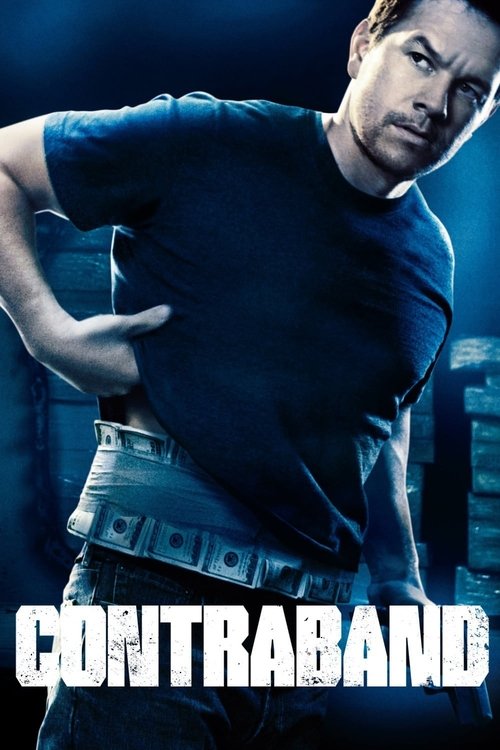
Contraband
When his brother-in-law runs afoul of a drug lord, family man Chris Farraday turns to a skill he abandoned long ago—smuggling—to repay the debt. But the job goes wrong, and Farraday finds himself wanted by cops, crooks and killers alike.
Despite a moderate budget of $25.0M, Contraband became a commercial success, earning $96.3M worldwide—a 285% return.


Plot Structure
Story beats plotted across runtime


Narrative Arc
Emotional journey through the story's key moments
Story Circle
Blueprint 15-beat structure
Arcplot Score Breakdown
Weighted: Precision (70%) + Arc (15%) + Theme (15%)
Contraband (2012) reveals strategically placed plot construction, characteristic of Baltasar Kormákur's storytelling approach. This structural analysis examines how the film's 15-point plot structure maps to proven narrative frameworks across 1 hour and 49 minutes. With an Arcplot score of 7.1, the film balances conventional beats with creative variation.
Characters
Cast & narrative archetypes

Chris Farraday
Kate Farraday
Sebastian Abney
Tim Briggs
Danny Farraday
Bud Farraday
Gonzalo
Main Cast & Characters
Chris Farraday
Played by Mark Wahlberg
Reformed smuggler forced back into the criminal world to protect his family after his brother-in-law botches a drug run.
Kate Farraday
Played by Kate Beckinsale
Chris's wife who struggles to protect their children while her husband is away on a dangerous smuggling operation.
Sebastian Abney
Played by Ben Foster
Chris's best friend who agrees to watch over Kate and the kids, but harbors hidden darker intentions.
Tim Briggs
Played by Giovanni Ribisi
Ruthless drug dealer who threatens Chris's family after a smuggling run goes wrong, forcing Chris back into crime.
Danny Farraday
Played by Caleb Landry Jones
Chris's younger brother-in-law whose failed drug smuggling operation sets the entire story in motion.
Bud Farraday
Played by William Lucking
Chris's father, a legendary smuggler still in prison, who provides advice and connections for the operation.
Gonzalo
Played by Diego Luna
Panamanian criminal contact who involves Chris in a counterfeit money scheme during the smuggling run.
Structural Analysis
The Status Quo at 1 minutes (1% through the runtime) establishes Chris Farraday works as a home security installer, living a quiet life with his wife Kate and two sons. He's left his past as a legendary smuggler behind.. The analysis reveals that this early placement immediately immerses viewers in the story world.
The inciting incident occurs at 13 minutes when Briggs' men brutally beat Andy and threaten Kate and the children. Chris realizes his family is in immediate danger unless he pays off Andy's debt.. At 12% through the film, this Disruption aligns precisely with traditional story structure. This beat shifts the emotional landscape, launching the protagonist into the central conflict.
The First Threshold at 27 minutes marks the transition into Act II, occurring at 25% of the runtime. This demonstrates the protagonist's commitment to Chris boards the cargo ship to Panama, leaving his family behind and re-entering the criminal underworld he'd sworn off. There's no turning back., moving from reaction to action.
At 55 minutes, the Midpoint arrives at 50% of the runtime—precisely centered, creating perfect narrative symmetry. Structural examination shows that this crucial beat Chris discovers that Danny has betrayed him and is working with Briggs. His family is in greater danger than ever, and he's trapped in Panama with the ship's crew suspicious of his activities., fundamentally raising what's at risk. The emotional intensity shifts, dividing the narrative into clear before-and-after phases.
The Collapse moment at 81 minutes (75% through) represents the emotional nadir. Here, Chris learns that Danny has assaulted Kate. His worst fears have come true - his attempt to protect his family has left them vulnerable to the very danger he tried to prevent., shows the protagonist at their lowest point. This beat's placement in the final quarter sets up the climactic reversal.
The Second Threshold at 87 minutes initiates the final act resolution at 80% of the runtime. Chris devises a plan to smuggle the counterfeit money onto U.S. Soil in a way that will expose Briggs and Danny, turning his smuggling expertise into a weapon against his enemies., demonstrating the transformation achieved throughout the journey.
Emotional Journey
Contraband's emotional architecture traces a deliberate progression across 15 carefully calibrated beats.
Narrative Framework
This structural analysis employs systematic plot point analysis that identifies crucial turning points. By mapping Contraband against these established plot points, we can identify how Baltasar Kormákur utilizes or subverts traditional narrative conventions. The plot point approach reveals not only adherence to structural principles but also creative choices that distinguish Contraband within the thriller genre.
Baltasar Kormákur's Structural Approach
Among the 3 Baltasar Kormákur films analyzed on Arcplot, the average structural score is 7.2, reflecting strong command of classical structure. Contraband takes a more unconventional approach compared to the director's typical style. For comparative analysis, explore the complete Baltasar Kormákur filmography.
Comparative Analysis
Additional thriller films include The Warriors, Thunderball and Rustom. For more Baltasar Kormákur analyses, see Beast, 2 Guns.
Plot Points by Act
Act I
SetupStatus Quo
Chris Farraday works as a home security installer, living a quiet life with his wife Kate and two sons. He's left his past as a legendary smuggler behind.
Theme
Kate warns Chris about the dangers of getting involved with the criminal world again, establishing the theme: you can't escape your past, but you can choose how you face it.
Worldbuilding
Establishes Chris's reformed life, his relationship with Kate and their children, his brother-in-law Andy's failed smuggling attempt, and the threat posed by drug dealer Tim Briggs who demands compensation.
Disruption
Briggs' men brutally beat Andy and threaten Kate and the children. Chris realizes his family is in immediate danger unless he pays off Andy's debt.
Resistance
Chris debates returning to smuggling, consulting with his old partner Sebastian. He plans one last run to Panama to smuggle counterfeit bills and resolve the debt, despite Kate's fears.
Act II
ConfrontationFirst Threshold
Chris boards the cargo ship to Panama, leaving his family behind and re-entering the criminal underworld he'd sworn off. There's no turning back.
Mirror World
Chris asks his friend Danny to watch over Kate and the kids while he's gone, establishing the trust and loyalty theme that will be tested.
Premise
The "one last job" unfolds: Chris and Sebastian navigate the dangerous world of Panamanian crime lords, smuggling operations, and unexpected complications when their counterfeit deal goes sideways.
Midpoint
Chris discovers that Danny has betrayed him and is working with Briggs. His family is in greater danger than ever, and he's trapped in Panama with the ship's crew suspicious of his activities.
Opposition
Pressure mounts as Chris must improvise a new smuggling plan involving stolen Jackson Pollock paintings, evade the ship's captain, deal with Panamanian gangsters, while Kate faces increasing threats at home from Danny and Briggs.
Collapse
Chris learns that Danny has assaulted Kate. His worst fears have come true - his attempt to protect his family has left them vulnerable to the very danger he tried to prevent.
Crisis
Chris faces his darkest moment, realizing he must use all his old skills and cunning not just to survive, but to turn the tables on everyone who's betrayed him.
Act III
ResolutionSecond Threshold
Chris devises a plan to smuggle the counterfeit money onto U.S. soil in a way that will expose Briggs and Danny, turning his smuggling expertise into a weapon against his enemies.
Synthesis
Chris executes his counter-plan: gets the ship through customs, orchestrates the takedown of Briggs and Danny, retrieves the money, and ensures his family's safety through careful manipulation of all parties.
Transformation
Chris reunites with Kate and his sons, having proven he can protect them. He's used his criminal skills one final time, but this time for justice rather than profit.