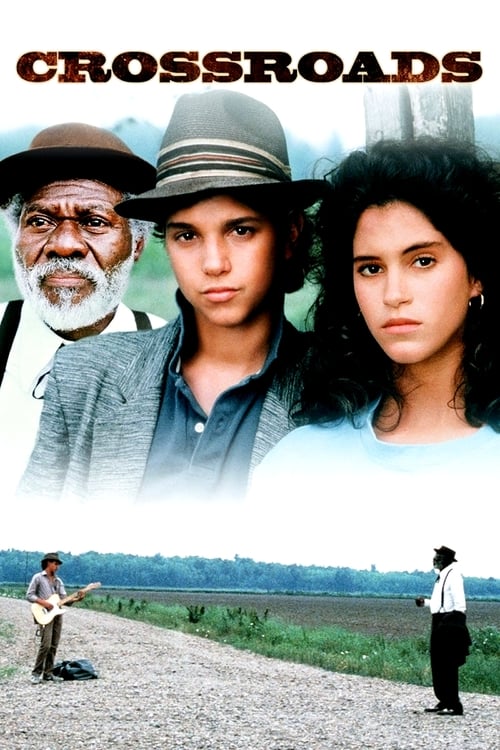
Crossroads
A wanna-be blues guitar virtuoso seeks a long-lost song by legendary musician, Robert Johnson.
The film earned $5.7M at the global box office.


Plot Structure
Story beats plotted across runtime


Narrative Arc
Emotional journey through the story's key moments
Story Circle
Blueprint 15-beat structure
Arcplot Score Breakdown
Weighted: Precision (70%) + Arc (15%) + Theme (15%)
Crossroads (1986) demonstrates carefully calibrated narrative architecture, characteristic of Walter Hill's storytelling approach. This structural analysis examines how the film's 15-point plot structure maps to proven narrative frameworks across 1 hour and 39 minutes. With an Arcplot score of 7.1, the film balances conventional beats with creative variation.
Characters
Cast & narrative archetypes

Eugene Martone
Willie Brown

Frances

Jack Butler
Scratch
Main Cast & Characters
Eugene Martone
Played by Ralph Macchio
A young classical guitar prodigy obsessed with finding a lost blues song, who embarks on a journey to the Mississippi Delta with a mysterious old bluesman.
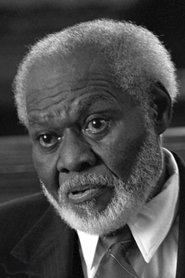
Willie Brown
Played by Joe Seneca
An elderly blues musician who claims to have known Robert Johnson and made a deal with the devil, seeking redemption for his soul.
Frances
Played by Jami Gertz
A tough, street-smart runaway who joins Eugene and Willie on their journey south, seeking escape from her troubled past.
Jack Butler
Played by Steve Vai
The devil's virtuoso guitarist who challenges Eugene to a climactic guitar duel at the crossroads for Willie's soul.
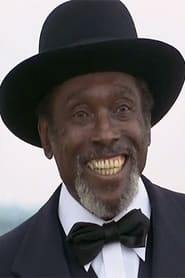
Scratch
Played by Robert Judd
A mysterious, well-dressed man who represents the devil and holds the contract for Willie Brown's soul.
Structural Analysis
The Status Quo at 1 minutes (1% through the runtime) establishes Eugene Martone practices classical guitar at Juilliard, technically brilliant but searching for something more authentic. He secretly plays blues in his dorm room, revealing his true passion lies elsewhere.. Notably, this early placement immediately immerses viewers in the story world.
The inciting incident occurs at 12 minutes when Willie Brown agrees to teach Eugene the lost Robert Johnson song—but only if Eugene helps him escape the nursing home and gets him back to Mississippi. Eugene's safe academic world is disrupted by an adventure he can't refuse.. At 12% through the film, this Disruption aligns precisely with traditional story structure. This beat shifts the emotional landscape, launching the protagonist into the central conflict.
The First Threshold at 25 minutes marks the transition into Act II, occurring at 25% of the runtime. This demonstrates the protagonist's commitment to Eugene breaks Willie out of the nursing home and they hit the road to Mississippi. Eugene actively chooses to abandon his Juilliard career and enter Willie's world of blues, highways, and the hunt for Robert Johnson's legacy., moving from reaction to action.
At 50 minutes, the Midpoint arrives at 50% of the runtime—precisely centered, creating perfect narrative symmetry. Notably, this crucial beat Willie reveals the dark truth: he sold his soul to the Devil at the crossroads decades ago, and now he's going back to Mississippi to try to get it back before he dies. The stakes shift from finding a lost song to a supernatural confrontation with evil itself., fundamentally raising what's at risk. The emotional intensity shifts, dividing the narrative into clear before-and-after phases.
The Collapse moment at 74 minutes (75% through) represents the emotional nadir. Here, They reach the crossroads and confront the Devil's agent, Scratch. Willie's soul is still forfeit—the only way out is a guitar duel. But the Devil's champion is a demonic virtuoso. Eugene realizes he may lose Willie's soul and his own in a battle he can't win with blues alone., reveals the protagonist at their lowest point. This beat's placement in the final quarter sets up the climactic reversal.
The Second Threshold at 79 minutes initiates the final act resolution at 80% of the runtime. Eugene has the revelation: he doesn't have to choose between classical and blues—he can fuse them. His Juilliard training isn't a weakness; combined with the blues soul he's acquired, it's his unique weapon. He accepts the duel with new synthesis., demonstrating the transformation achieved throughout the journey.
Emotional Journey
Crossroads's emotional architecture traces a deliberate progression across 15 carefully calibrated beats.
Narrative Framework
This structural analysis employs structural analysis methodology used to understand storytelling architecture. By mapping Crossroads against these established plot points, we can identify how Walter Hill utilizes or subverts traditional narrative conventions. The plot point approach reveals not only adherence to structural principles but also creative choices that distinguish Crossroads within the drama genre.
Walter Hill's Structural Approach
Among the 14 Walter Hill films analyzed on Arcplot, the average structural score is 7.1, reflecting strong command of classical structure. Crossroads takes a more unconventional approach compared to the director's typical style. For comparative analysis, explore the complete Walter Hill filmography.
Comparative Analysis
Additional drama films include After Thomas, South Pacific and Dirty Dancing: Havana Nights. For more Walter Hill analyses, see The Warriors, Johnny Handsome and The Driver.
Plot Points by Act
Act I
SetupStatus Quo
Eugene Martone practices classical guitar at Juilliard, technically brilliant but searching for something more authentic. He secretly plays blues in his dorm room, revealing his true passion lies elsewhere.
Theme
Willie Brown tells Eugene that the blues ain't about technique—it's about what you've lived. You can't play the blues until you've paid some dues. This establishes the theme: authentic artistry comes from life experience, not just technical mastery.
Worldbuilding
Eugene's dual life is established: the disciplined Juilliard student by day, secret blues enthusiast by night. He researches Robert Johnson's lost songs and discovers Willie Brown is alive in a nursing home. His classical world feels sterile compared to his blues obsession.
Disruption
Willie Brown agrees to teach Eugene the lost Robert Johnson song—but only if Eugene helps him escape the nursing home and gets him back to Mississippi. Eugene's safe academic world is disrupted by an adventure he can't refuse.
Resistance
Eugene debates the risks of leaving Juilliard to chase a blues legend's promise. Willie serves as reluctant mentor, testing Eugene's commitment. Eugene must choose between his secure future and an uncertain journey into the heart of the blues.
Act II
ConfrontationFirst Threshold
Eugene breaks Willie out of the nursing home and they hit the road to Mississippi. Eugene actively chooses to abandon his Juilliard career and enter Willie's world of blues, highways, and the hunt for Robert Johnson's legacy.
Mirror World
Eugene and Willie pick up Frances, a runaway heading west. She becomes Eugene's emotional connection and romantic interest, representing the life experience Willie insists the blues requires. Through her, Eugene begins to understand loss and longing.
Premise
The road trip delivers the promise of the premise: Eugene learns blues from Willie in juke joints and on roadsides. He plays for real audiences, hustles pool, falls for Frances, and slowly transforms from a technical player into someone who feels the music. Willie shares stories of Robert Johnson and the crossroads.
Midpoint
Willie reveals the dark truth: he sold his soul to the Devil at the crossroads decades ago, and now he's going back to Mississippi to try to get it back before he dies. The stakes shift from finding a lost song to a supernatural confrontation with evil itself.
Opposition
The journey grows darker as they approach Mississippi. Frances leaves Eugene, breaking his heart—but giving him the pain Willie said he needed. Willie's health deteriorates. The Devil's presence looms. Eugene must reckon with the supernatural stakes and his own inadequacy against forces beyond technique.
Collapse
They reach the crossroads and confront the Devil's agent, Scratch. Willie's soul is still forfeit—the only way out is a guitar duel. But the Devil's champion is a demonic virtuoso. Eugene realizes he may lose Willie's soul and his own in a battle he can't win with blues alone.
Crisis
Eugene faces his darkest moment before the duel. He's not a real bluesman—he's a Juilliard kid who doesn't belong here. Willie's life depends on him. Frances is gone. Everything he's learned seems insufficient against literal evil.
Act III
ResolutionSecond Threshold
Eugene has the revelation: he doesn't have to choose between classical and blues—he can fuse them. His Juilliard training isn't a weakness; combined with the blues soul he's acquired, it's his unique weapon. He accepts the duel with new synthesis.
Synthesis
The epic guitar duel at the crossroads. The Devil's champion, Jack Butler, plays devastating blues. Eugene matches him lick for lick, then unleashes his secret weapon: a classical piece (Paganini's Caprice No. 5) that the bluesman can't counter. Eugene wins Willie's soul back through the synthesis of his two musical worlds.
Transformation
Eugene and Willie walk away from the crossroads together, free. Eugene is no longer a classical student playing at blues or a blues pretender—he's a true musician who's integrated both traditions and paid his dues. Willie finally teaches him the lost song. The boy became a man through the journey.