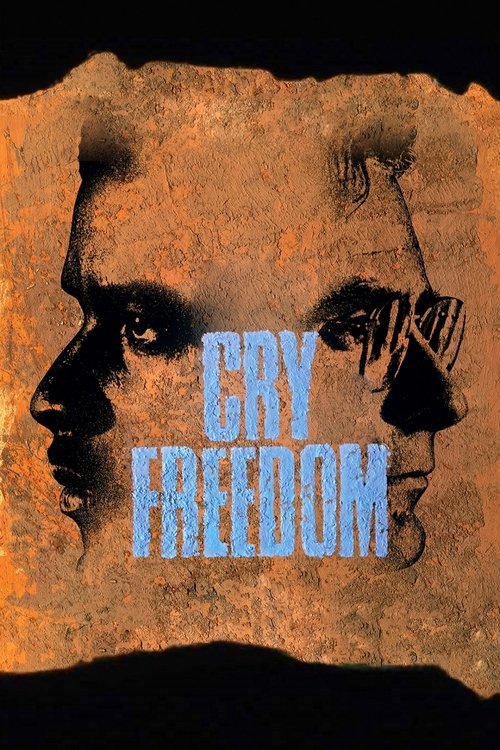
Cry Freedom
A dramatic story, based on actual events, about the friendship between two men struggling against apartheid in South Africa in the 1970s. Donald Woods is a white liberal journalist in South Africa who begins to follow the activities of Stephen Biko, a courageous and outspoken black anti-apartheid activist.
The film underperformed commercially against its mid-range budget of $29.0M, earning $25.9M globally (-11% loss).
Nominated for 3 Oscars. 6 wins & 16 nominations


Plot Structure
Story beats plotted across runtime


Narrative Arc
Emotional journey through the story's key moments
Story Circle
Blueprint 15-beat structure
Arcplot Score Breakdown
Weighted: Precision (70%) + Arc (15%) + Theme (15%)
Cry Freedom (1987) exemplifies meticulously timed narrative design, characteristic of Richard Attenborough's storytelling approach. This structural analysis examines how the film's 15-point plot structure maps to proven narrative frameworks across 2 hours and 37 minutes. With an Arcplot score of 7.0, the film balances conventional beats with creative variation.
Characters
Cast & narrative archetypes

Donald Woods
Steve Biko
Wendy Woods
Captain De Wet
Main Cast & Characters
Donald Woods
Played by Kevin Kline
Liberal white South African newspaper editor who becomes radicalized through his friendship with Steve Biko and dedicates himself to exposing apartheid atrocities.
Steve Biko
Played by Denzel Washington
Charismatic anti-apartheid activist and founder of the Black Consciousness Movement who inspires Woods to join the fight for justice before his tragic death in police custody.
Wendy Woods
Played by Penelope Wilton
Donald Woods' supportive wife who stands by her husband through increasing danger and ultimately flees South Africa with their family.
Captain De Wet
Played by John Thaw
Ruthless security police officer who harasses Woods and his family, representing the violent enforcement of apartheid.
Structural Analysis
The Status Quo at 2 minutes (1% through the runtime) establishes Donald Woods, a white South African newspaper editor, lives comfortably with his family, operating within the apartheid system with moderate liberal views but no radical activism.. Significantly, this early placement immediately immerses viewers in the story world.
The inciting incident occurs at 19 minutes when Woods receives an invitation to meet Steve Biko in person. This unexpected contact with the banned activist disrupts his comfortable distance from the reality of black consciousness movement.. At 12% through the film, this Disruption aligns precisely with traditional story structure. This beat shifts the emotional landscape, launching the protagonist into the central conflict.
The First Threshold at 40 minutes marks the transition into Act II, occurring at 25% of the runtime. This shows the protagonist's commitment to Woods makes the active choice to travel to King William's Town to meet Steve Biko face-to-face, crossing into the world of black consciousness and beginning his transformation., moving from reaction to action.
At 80 minutes, the Midpoint arrives at 51% of the runtime—precisely centered, creating perfect narrative symmetry. Structural examination shows that this crucial beat Steve Biko is detained by security police. Woods believes he can use his influence and connections to protect Biko, but this false sense of power marks the midpoint - the stakes are raised and Woods' comfortable activism will no longer be enough., fundamentally raising what's at risk. The emotional intensity shifts, dividing the narrative into clear before-and-after phases.
The Collapse moment at 118 minutes (75% through) represents the emotional nadir. Here, Steve Biko dies in police custody from brutal torture. Woods views photographs of Biko's battered body, witnessing the literal death of his friend and mentor - the definitive whiff of death and Woods' darkest moment of powerlessness., illustrates the protagonist at their lowest point. This beat's placement in the final quarter sets up the climactic reversal.
The Second Threshold at 126 minutes initiates the final act resolution at 81% of the runtime. Woods realizes that Biko's story must reach the world. He synthesizes Biko's teachings with his own skills as a writer and decides to escape South Africa to publish the truth - choosing radical action over complicit silence., demonstrating the transformation achieved throughout the journey.
Emotional Journey
Cry Freedom's emotional architecture traces a deliberate progression across 15 carefully calibrated beats.
Narrative Framework
This structural analysis employs a 15-point narrative structure framework that maps key story moments. By mapping Cry Freedom against these established plot points, we can identify how Richard Attenborough utilizes or subverts traditional narrative conventions. The plot point approach reveals not only adherence to structural principles but also creative choices that distinguish Cry Freedom within the drama genre.
Richard Attenborough's Structural Approach
Among the 8 Richard Attenborough films analyzed on Arcplot, the average structural score is 7.0, demonstrating varied approaches to story architecture. Cry Freedom represents one of the director's most structurally precise works. For comparative analysis, explore the complete Richard Attenborough filmography.
Comparative Analysis
Additional drama films include After Thomas, South Pacific and Dirty Dancing: Havana Nights. For more Richard Attenborough analyses, see Gandhi, In Love and War and Magic.
Plot Points by Act
Act I
SetupStatus Quo
Donald Woods, a white South African newspaper editor, lives comfortably with his family, operating within the apartheid system with moderate liberal views but no radical activism.
Theme
A colleague or character comments on the nature of truth and oppression, suggesting that remaining silent makes one complicit in injustice - foreshadowing Woods' journey from observer to activist.
Worldbuilding
Establishment of apartheid South Africa, Woods' comfortable liberal position, his newspaper, his family life, and the distant presence of Steve Biko as a banned activist whom Woods initially considers a dangerous radical.
Disruption
Woods receives an invitation to meet Steve Biko in person. This unexpected contact with the banned activist disrupts his comfortable distance from the reality of black consciousness movement.
Resistance
Woods debates whether to meet Biko, discusses with his wife Wendy, and wrestles with his preconceptions. He prepares mentally for crossing into a world he has avoided confronting directly.
Act II
ConfrontationFirst Threshold
Woods makes the active choice to travel to King William's Town to meet Steve Biko face-to-face, crossing into the world of black consciousness and beginning his transformation.
Mirror World
Woods and Biko form a genuine friendship. Biko becomes the thematic mirror who will teach Woods about true freedom, dignity, and the cost of justice. Their relationship carries the film's central theme.
Premise
Woods explores black townships with Biko, witnesses apartheid's brutal reality firsthand, publishes articles supporting black consciousness, and experiences the promise of cross-racial friendship and understanding despite systemic oppression.
Midpoint
Steve Biko is detained by security police. Woods believes he can use his influence and connections to protect Biko, but this false sense of power marks the midpoint - the stakes are raised and Woods' comfortable activism will no longer be enough.
Opposition
Woods attempts to help Biko through official channels but faces stonewalling. The apartheid state closes in on Woods, restricting his movements. The government intensifies surveillance and pressure on Woods and his family.
Collapse
Steve Biko dies in police custody from brutal torture. Woods views photographs of Biko's battered body, witnessing the literal death of his friend and mentor - the definitive whiff of death and Woods' darkest moment of powerlessness.
Crisis
Woods grieves Biko's death, faces being banned himself, and descends into despair about the futility of fighting the system from within. His family is threatened and he confronts the cost of continuing.
Act III
ResolutionSecond Threshold
Woods realizes that Biko's story must reach the world. He synthesizes Biko's teachings with his own skills as a writer and decides to escape South Africa to publish the truth - choosing radical action over complicit silence.
Synthesis
Woods and his family execute a dangerous escape plan, disguising himself as a priest, crossing borders, evading security police, and ultimately reaching safety in Lesotho and then England, where he can publish Biko's biography.
Transformation
Woods has transformed from comfortable white liberal to committed activist in exile. The closing shows Biko's message reaching the world through Woods' book, fulfilling his friend's legacy and Woods' own journey to freedom through sacrifice.