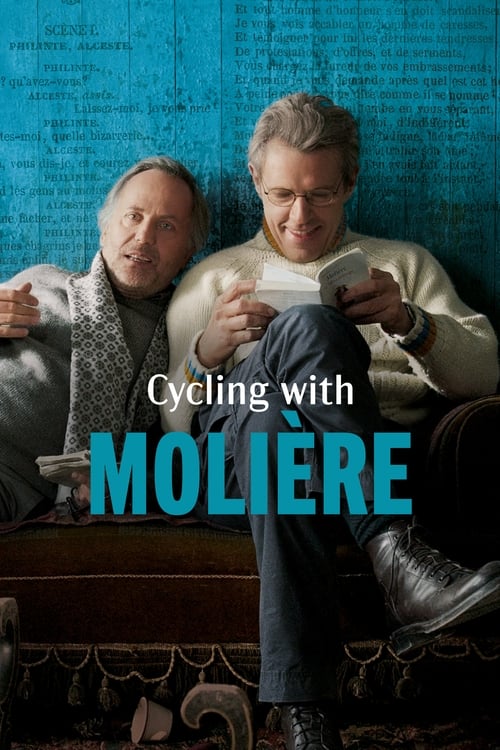
Cycling with Molière
Serge Tanneur is at the pinnacle of his acting career when he decides to turn his back on show business and become a hermit living off of France’s Atlantic coast. Three years later, Gauthier Valence, a beloved TV actor, shows up on the island to offer Serge a role in his directorial debut – a rendition of Molière’s classic play, “The Misanthrope”. Serge refuses at first, but then suggests that they rehearse the first scene and after five days he’ll decide if he wants to dothe play or not. What ensues is a battle of brawn and wits and peculiar encounters with a hotel maid who longs to be a pornstar and an Italian divorcée.
The film earned $10.8M at the global box office.
2 wins & 4 nominations


Plot Structure
Story beats plotted across runtime


Narrative Arc
Emotional journey through the story's key moments
Story Circle
Blueprint 15-beat structure
Arcplot Score Breakdown
Weighted: Precision (70%) + Arc (15%) + Theme (15%)
Cycling with Molière (2013) showcases deliberately positioned narrative architecture, characteristic of Philippe Le Guay's storytelling approach. This structural analysis examines how the film's 15-point plot structure maps to proven narrative frameworks across 1 hour and 44 minutes. With an Arcplot score of 6.5, the film balances conventional beats with creative variation.
Characters
Cast & narrative archetypes

Gauthier Valence
Serge Tanneur
Francesca
Main Cast & Characters
Gauthier Valence
Played by Lambert Wilson
A successful television actor who seeks to return to classical theater by persuading his old friend to help him prepare for a Molière role. Vain, ambitious, and manipulative.
Serge Tanneur
Played by Fabrice Luchini
A reclusive former actor living on a remote Italian island who has abandoned his career. Withdrawn, principled, and seeking simple pleasures away from fame.
Francesca
Played by Maya Sansa
Serge's Italian girlfriend who becomes entangled in the growing tension between the two men. She represents the authentic life Serge has built away from theater.
Structural Analysis
The Status Quo at 1 minutes (1% through the runtime) establishes Gauthier lives a simple, quiet life on the Île de Ré, cycling through nature, tending his garden, and enjoying peaceful solitude away from the theatrical world he left behind.. The analysis reveals that this early placement immediately immerses viewers in the story world.
The inciting incident occurs at 13 minutes when Serge reveals his true purpose: he wants Gauthier to come out of retirement to direct him in Molière's "The Misanthrope" for a prestigious Paris production, disrupting Gauthier's peaceful existence.. At 13% through the film, this Disruption is delayed, allowing extended setup of the story world. This beat shifts the emotional landscape, launching the protagonist into the central conflict.
The First Threshold at 26 minutes marks the transition into Act II, occurring at 25% of the runtime. This demonstrates the protagonist's commitment to Gauthier formally agrees to direct Serge in rehearsals of "The Misanthrope." They begin working together, and Gauthier re-enters the world of theater he had abandoned., moving from reaction to action.
At 52 minutes, the Midpoint arrives at 50% of the runtime—precisely centered, creating perfect narrative symmetry. Of particular interest, this crucial beat False victory: Serge delivers a breakthrough performance in rehearsal, and Gauthier agrees to commit to the Paris production. It seems they've achieved their goal, but the stakes now rise—Gauthier must leave his peaceful life, and their competitive egos intensify., fundamentally raising what's at risk. The emotional intensity shifts, dividing the narrative into clear before-and-after phases.
The Collapse moment at 78 minutes (75% through) represents the emotional nadir. Here, The partnership implodes in a bitter confrontation. Serge and Gauthier have a devastating fight that destroys their friendship and the production. Serge leaves the island. The dream of the production dies, and so does their relationship., demonstrates the protagonist at their lowest point. This beat's placement in the final quarter sets up the climactic reversal.
The Second Threshold at 83 minutes initiates the final act resolution at 80% of the runtime. Gauthier realizes that authenticity means accepting both the artifice of art and the messiness of human relationships. He understands what Molière was saying and what their friendship requires. He decides to reach out to Serge., demonstrating the transformation achieved throughout the journey.
Emotional Journey
Cycling with Molière's emotional architecture traces a deliberate progression across 15 carefully calibrated beats.
Narrative Framework
This structural analysis employs systematic plot point analysis that identifies crucial turning points. By mapping Cycling with Molière against these established plot points, we can identify how Philippe Le Guay utilizes or subverts traditional narrative conventions. The plot point approach reveals not only adherence to structural principles but also creative choices that distinguish Cycling with Molière within the drama genre.
Philippe Le Guay's Structural Approach
Among the 2 Philippe Le Guay films analyzed on Arcplot, the average structural score is 7.0, demonstrating varied approaches to story architecture. Cycling with Molière takes a more unconventional approach compared to the director's typical style. For comparative analysis, explore the complete Philippe Le Guay filmography.
Comparative Analysis
Additional drama films include After Thomas, South Pacific and Dirty Dancing: Havana Nights. For more Philippe Le Guay analyses, see Normandy Nude.
Plot Points by Act
Act I
SetupStatus Quo
Gauthier lives a simple, quiet life on the Île de Ré, cycling through nature, tending his garden, and enjoying peaceful solitude away from the theatrical world he left behind.
Theme
Serge dismisses the importance of theater, suggesting that what matters is authenticity versus performance, sincerity versus artifice—the central question of both Molière's play and their own relationship.
Worldbuilding
Introduction to Gauthier's retired life on the island, his modest home, his relationship with his Italian partner Francesca and her daughter, and the arrival of his old friend Serge, a famous television actor seeking to return to serious theater.
Disruption
Serge reveals his true purpose: he wants Gauthier to come out of retirement to direct him in Molière's "The Misanthrope" for a prestigious Paris production, disrupting Gauthier's peaceful existence.
Resistance
Gauthier resists the offer, doubting Serge's abilities and commitment. Serge pushes back, and they negotiate. Gauthier agrees to a trial period where they'll rehearse together on the island to see if Serge is capable of the role.
Act II
ConfrontationFirst Threshold
Gauthier formally agrees to direct Serge in rehearsals of "The Misanthrope." They begin working together, and Gauthier re-enters the world of theater he had abandoned.
Mirror World
The relationship with Francesca deepens as a subplot. She represents genuine emotion and life outside theater, serving as the grounding force and thematic mirror to the artifice of performance.
Premise
The "fun and games" of two actors rehearsing Molière, cycling around the island, debating art and authenticity. Their dynamic mirrors the play itself—Serge as the misanthrope Alceste, Gauthier as the more worldly Philinte. Tensions and competition emerge.
Midpoint
False victory: Serge delivers a breakthrough performance in rehearsal, and Gauthier agrees to commit to the Paris production. It seems they've achieved their goal, but the stakes now rise—Gauthier must leave his peaceful life, and their competitive egos intensify.
Opposition
Competition and jealousy poison their collaboration. Serge's ego clashes with Gauthier's perfectionism. Old resentments surface. Francesca becomes a point of tension. The line between the characters they're playing and their real selves blurs, with artifice overtaking authenticity.
Collapse
The partnership implodes in a bitter confrontation. Serge and Gauthier have a devastating fight that destroys their friendship and the production. Serge leaves the island. The dream of the production dies, and so does their relationship.
Crisis
Gauthier is left alone, contemplating what has been lost—not just the production, but the friendship, and perhaps his own connection to his artistic identity. He processes whether the retreat from the world was cowardice or wisdom.
Act III
ResolutionSecond Threshold
Gauthier realizes that authenticity means accepting both the artifice of art and the messiness of human relationships. He understands what Molière was saying and what their friendship requires. He decides to reach out to Serge.
Synthesis
Gauthier and Serge reconcile, finding a new balance between artistic ambition and genuine friendship. They find a way forward that honors both their craft and their humanity, performing together with newfound understanding.
Transformation
Final image mirrors the opening: Gauthier cycling on the island, but now transformed. He has reintegrated his artistic self with his peaceful life, no longer hiding from the world but choosing how to engage with it authentically.