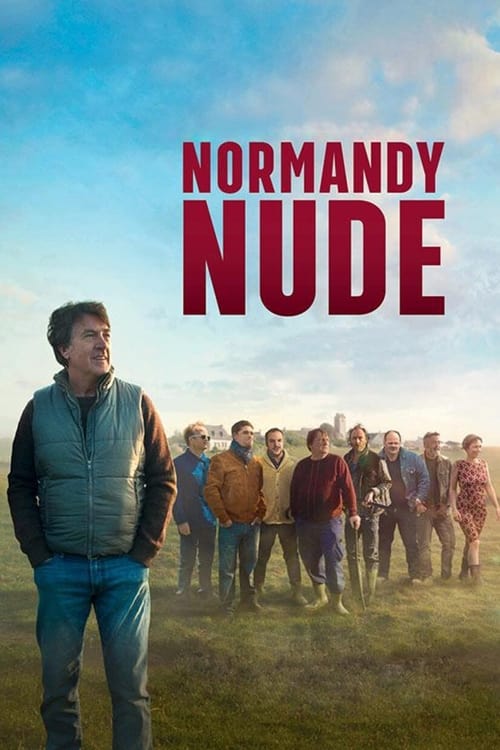
Normandy Nude
At the Mêle sur Sarthe, a small Norman village, farmers are affected by a crisis. Georges Balbuzard, the mayor of the city, is not one to let them down and decides to try everything to save his village...
The film earned $5.4M at the global box office.

Plot Structure
Story beats plotted across runtime


Narrative Arc
Emotional journey through the story's key moments
Story Circle
Blueprint 15-beat structure
Arcplot Score Breakdown
Weighted: Precision (70%) + Arc (15%) + Theme (15%)
Normandy Nude (2018) exemplifies deliberately positioned narrative architecture, characteristic of Philippe Le Guay's storytelling approach. This structural analysis examines how the film's 15-point plot structure maps to proven narrative frameworks across 1 hour and 45 minutes. With an Arcplot score of 7.4, the film balances conventional beats with creative variation.
Structural Analysis
The Status Quo at 1 minutes (1% through the runtime) establishes The quiet, traditional farming community of Normandy goes about its daily routines, showing the close-knit but struggling rural village where everyone knows everyone.. Structural examination shows that this early placement immediately immerses viewers in the story world.
The inciting incident occurs at 13 minutes when The community receives devastating news that threatens their town's survival - either financial crisis, closure of essential services, or threat of depopulation that will destroy their way of life.. At 12% through the film, this Disruption aligns precisely with traditional story structure. This beat shifts the emotional landscape, launching the protagonist into the central conflict.
The First Threshold at 27 minutes marks the transition into Act II, occurring at 26% of the runtime. This demonstrates the protagonist's commitment to The community votes or the key holdouts finally agree to participate in the nude photography project. The conservative villagers commit to doing something completely outside their comfort zone., moving from reaction to action.
At 53 minutes, the Midpoint arrives at 50% of the runtime—precisely centered, creating perfect narrative symmetry. The analysis reveals that this crucial beat The actual photoshoot takes place and is successful, creating a false victory. The villagers feel triumphant and liberated, believing their problems are solved and the photos will save their town., fundamentally raising what's at risk. The emotional intensity shifts, dividing the narrative into clear before-and-after phases.
The Collapse moment at 79 minutes (75% through) represents the emotional nadir. Here, The project seems to have failed completely. Either the photos are rejected, the scandal becomes overwhelming, key participants withdraw, or the community faces humiliation. The villagers' reputations and dignity appear destroyed., shows the protagonist at their lowest point. This beat's placement in the final quarter sets up the climactic reversal.
The Second Threshold at 84 minutes initiates the final act resolution at 80% of the runtime. A realization or new information arrives: the photos have touched people, created unexpected positive attention, or the villagers recognize that their unity and courage matter more than outside approval. They find renewed purpose., demonstrating the transformation achieved throughout the journey.
Emotional Journey
Normandy Nude's emotional architecture traces a deliberate progression across 15 carefully calibrated beats.
Narrative Framework
This structural analysis employs a 15-point narrative structure framework that maps key story moments. By mapping Normandy Nude against these established plot points, we can identify how Philippe Le Guay utilizes or subverts traditional narrative conventions. The plot point approach reveals not only adherence to structural principles but also creative choices that distinguish Normandy Nude within the drama genre.
Philippe Le Guay's Structural Approach
Among the 2 Philippe Le Guay films analyzed on Arcplot, the average structural score is 7.0, demonstrating varied approaches to story architecture. Normandy Nude represents one of the director's most structurally precise works. For comparative analysis, explore the complete Philippe Le Guay filmography.
Comparative Analysis
Additional drama films include After Thomas, South Pacific and Dirty Dancing: Havana Nights. For more Philippe Le Guay analyses, see Cycling with Molière.
Plot Points by Act
Act I
SetupStatus Quo
The quiet, traditional farming community of Normandy goes about its daily routines, showing the close-knit but struggling rural village where everyone knows everyone.
Theme
A village elder or community member remarks on the importance of solidarity and doing whatever it takes to preserve their way of life, foreshadowing the unconventional solution to come.
Worldbuilding
Introduction to the village characters, their farms, relationships, and the traditional Norman culture. The economic pressures facing rural France are established through scenes of struggling businesses and aging population.
Disruption
The community receives devastating news that threatens their town's survival - either financial crisis, closure of essential services, or threat of depopulation that will destroy their way of life.
Resistance
The villagers debate various conventional solutions to save their community. Someone proposes the outrageous idea of a nude photo project. Initial shock, resistance, and heated discussions about propriety versus survival.
Act II
ConfrontationFirst Threshold
The community votes or the key holdouts finally agree to participate in the nude photography project. The conservative villagers commit to doing something completely outside their comfort zone.
Mirror World
The photographer arrives or is introduced, representing the outside world and artistic perspective that contrasts with the villagers' traditional values. This relationship will help them see themselves differently.
Premise
The fun and games of conservative French farmers preparing for nude photography. Comic scenes of body image anxieties, practice sessions, wardrobe discussions (or lack thereof), and the community bonding through shared vulnerability.
Midpoint
The actual photoshoot takes place and is successful, creating a false victory. The villagers feel triumphant and liberated, believing their problems are solved and the photos will save their town.
Opposition
External opposition emerges: scandal, religious or conservative backlash, family members ashamed, media attention backfires, or internal conflicts arise. The initial unity fractures under pressure and judgment from the outside world.
Collapse
The project seems to have failed completely. Either the photos are rejected, the scandal becomes overwhelming, key participants withdraw, or the community faces humiliation. The villagers' reputations and dignity appear destroyed.
Crisis
The villagers struggle with shame and regret, questioning whether they made a terrible mistake. Dark moments of self-doubt and recrimination as the community processes the apparent failure of their desperate gambit.
Act III
ResolutionSecond Threshold
A realization or new information arrives: the photos have touched people, created unexpected positive attention, or the villagers recognize that their unity and courage matter more than outside approval. They find renewed purpose.
Synthesis
The community embraces what they've accomplished together. Final resolution of the town's crisis through their newfound fame, solidarity, or resourcefulness. They stand together proudly, having transformed from reserved individuals into a united force.
Transformation
A final image showing the transformed community - perhaps another gathering where they're now confident and united, or the village thriving, mirroring the opening but showing how much they've changed and grown together.