
Death on the Nile
Based on the Dame Agatha Christie novel, our favorite Belgian detective, Hercule Poirot (Sir Peter Ustinov), is on a cruise up the Nile. He is surrounded by an interesting assortment of characters, including a wealthy heiress and her husband, on their honeymoon. It appears that everyone hates the heiress.
Working with a tight budget of $7.9M, the film achieved a respectable showing with $14.6M in global revenue (+84% profit margin).
1 Oscar. 5 wins & 6 nominations


Plot Structure
Story beats plotted across runtime


Narrative Arc
Emotional journey through the story's key moments
Story Circle
Blueprint 15-beat structure
Arcplot Score Breakdown
Weighted: Precision (70%) + Arc (15%) + Theme (15%)
Death on the Nile (1978) exhibits meticulously timed plot construction, characteristic of John Guillermin's storytelling approach. This structural analysis examines how the film's 15-point plot structure maps to proven narrative frameworks across 2 hours and 20 minutes. With an Arcplot score of 7.4, the film balances conventional beats with creative variation.
Characters
Cast & narrative archetypes
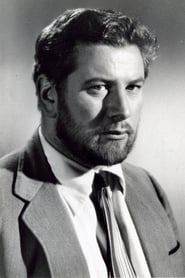
Hercule Poirot

Linnet Ridgeway Doyle

Simon Doyle

Jacqueline de Bellefort
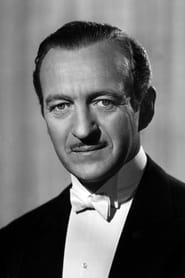
Colonel Race

Mrs. Van Schuyler
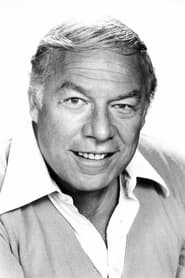
Andrew Pennington

Salome Otterbourne

Rosalie Otterbourne
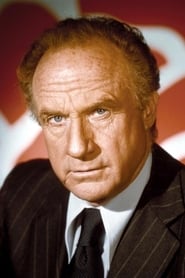
Dr. Bessner
Main Cast & Characters
Hercule Poirot
Played by Peter Ustinov
Belgian detective investigating a murder on a Nile river cruise. Methodical, observant, and dedicated to uncovering the truth.
Linnet Ridgeway Doyle
Played by Lois Chiles
Wealthy heiress who steals her best friend's fiancé. Confident, beautiful, but ultimately vulnerable.
Simon Doyle
Played by Simon MacCorkindale
Handsome young man who marries Linnet for her money after being engaged to Jacqueline. Charming but duplicitous.
Jacqueline de Bellefort
Played by Mia Farrow
Passionate woman scorned when her fiancé Simon marries her best friend Linnet. Obsessive and vengeful.
Colonel Race
Played by David Niven
British intelligence officer who assists Poirot in the investigation. Practical and authoritative.
Mrs. Van Schuyler
Played by Bette Davis
Wealthy American socialite traveling with her companion. Imperious, entitled, and kleptomaniac.
Andrew Pennington
Played by George Kennedy
Linnet's American trustee who has been embezzling from her estate. Desperate and deceptive.
Salome Otterbourne
Played by Angela Lansbury
Alcoholic romance novelist traveling with her daughter. Dramatic and unreliable.
Rosalie Otterbourne
Played by Olivia Hussey
Long-suffering daughter of Salome who tries to manage her mother's alcoholism and career.
Dr. Bessner
Played by Jack Warden
German physician aboard the Karnak who treats injured passengers. Professional and somewhat pompous.
Structural Analysis
The Status Quo at 1 minutes (1% through the runtime) establishes Wealthy heiress Linnet Ridgeway is introduced at her opulent English estate, showcasing her privileged world of high society, while her friend Jacqueline de Bellefort arrives with fiance Simon Doyle seeking employment for him.. Structural examination shows that this early placement immediately immerses viewers in the story world.
The inciting incident occurs at 17 minutes when Linnet and Simon, tormented by Jacqueline's persistent stalking across Europe, decide to escape to Egypt for their honeymoon cruise on the Nile, hoping to finally elude her obsessive pursuit.. At 12% through the film, this Disruption aligns precisely with traditional story structure. This beat shifts the emotional landscape, launching the protagonist into the central conflict.
The First Threshold at 35 minutes marks the transition into Act II, occurring at 25% of the runtime. This illustrates the protagonist's commitment to The passengers board the SS Karnak steamer for the Nile cruise, sealing their fates together in this floating pressure cooker. There is no escape; the investigation will unfold in this confined space., moving from reaction to action.
At 70 minutes, the Midpoint arrives at 50% of the runtime—precisely centered, creating perfect narrative symmetry. Structural examination shows that this crucial beat Linnet Doyle is found murdered in her cabin, shot through the head while sleeping. A "J" written in blood appears on the wall, pointing to Jacqueline - but she has an alibi, having been under observation all night after drunkenly shooting Simon in the leg., fundamentally raising what's at risk. The emotional intensity shifts, dividing the narrative into clear before-and-after phases.
The Collapse moment at 105 minutes (75% through) represents the emotional nadir. Here, A third murder - Mrs. Otterbourne shot just as she was about to reveal the killer's identity to Poirot. The death toll mounts and the killer seems unstoppable, striking in broad daylight with Poirot mere feet away., reveals the protagonist at their lowest point. This beat's placement in the final quarter sets up the climactic reversal.
The Second Threshold at 112 minutes initiates the final act resolution at 80% of the runtime. Poirot realizes the key deception: Simon and Jacqueline's elaborate alibi was a performance. The shooting in the salon was staged; Simon faked his wound, murdered Linnet, then Jacqueline shot him for real to complete their alibi., demonstrating the transformation achieved throughout the journey.
Emotional Journey
Death on the Nile's emotional architecture traces a deliberate progression across 15 carefully calibrated beats.
Narrative Framework
This structural analysis employs a 15-point narrative structure framework that maps key story moments. By mapping Death on the Nile against these established plot points, we can identify how John Guillermin utilizes or subverts traditional narrative conventions. The plot point approach reveals not only adherence to structural principles but also creative choices that distinguish Death on the Nile within the crime genre.
John Guillermin's Structural Approach
Among the 6 John Guillermin films analyzed on Arcplot, the average structural score is 7.2, reflecting strong command of classical structure. Death on the Nile represents one of the director's most structurally precise works. For comparative analysis, explore the complete John Guillermin filmography.
Comparative Analysis
Additional crime films include The Bad Guys, Rustom and The Whole Ten Yards. For more John Guillermin analyses, see King Kong, The Towering Inferno and Skyjacked.
Plot Points by Act
Act I
SetupStatus Quo
Wealthy heiress Linnet Ridgeway is introduced at her opulent English estate, showcasing her privileged world of high society, while her friend Jacqueline de Bellefort arrives with fiance Simon Doyle seeking employment for him.
Theme
Jacqueline warns that jealousy and betrayal have consequences, foreshadowing the theme: obsessive love and its capacity to corrupt and destroy.
Worldbuilding
The love triangle is established: Linnet steals Simon from Jacqueline and marries him. The social world of British aristocracy and their connections is revealed. Poirot is introduced dining in London, observing the newlyweds and the scorned Jacqueline stalking them.
Disruption
Linnet and Simon, tormented by Jacqueline's persistent stalking across Europe, decide to escape to Egypt for their honeymoon cruise on the Nile, hoping to finally elude her obsessive pursuit.
Resistance
The ensemble of suspects assembles in Egypt: Poirot encounters the Doyles at the Cataract Hotel. We meet the colorful passengers who will join the Nile cruise - each harboring secrets and potential motives. Jacqueline appears, having followed them yet again.
Act II
ConfrontationFirst Threshold
The passengers board the SS Karnak steamer for the Nile cruise, sealing their fates together in this floating pressure cooker. There is no escape; the investigation will unfold in this confined space.
Mirror World
Poirot engages with the passengers, particularly conversing with Colonel Race about duty and justice. The relationships and tensions among the guests crystallize - revealing the web of connections that will become central to the mystery.
Premise
The glamorous Nile cruise unfolds with its spectacular Egyptian scenery. Tensions simmer as Jacqueline confronts the Doyles publicly. Various passengers reveal their secrets and grievances with Linnet. The powder keg of jealousy and greed builds toward explosion.
Midpoint
Linnet Doyle is found murdered in her cabin, shot through the head while sleeping. A "J" written in blood appears on the wall, pointing to Jacqueline - but she has an alibi, having been under observation all night after drunkenly shooting Simon in the leg.
Opposition
Poirot's investigation intensifies as more deaths occur: the maid Louise and elderly Mrs. Otterbourne are killed to prevent them from revealing what they witnessed. Every passenger has motive; alibis crumble under scrutiny. The murderer is eliminating witnesses.
Collapse
A third murder - Mrs. Otterbourne shot just as she was about to reveal the killer's identity to Poirot. The death toll mounts and the killer seems unstoppable, striking in broad daylight with Poirot mere feet away.
Crisis
Poirot retreats to analyze the clues, deeply troubled by his failure to prevent multiple murders. The passengers are terrified; anyone could be next. The complexity of interlocking alibis and motives seems impenetrable.
Act III
ResolutionSecond Threshold
Poirot realizes the key deception: Simon and Jacqueline's elaborate alibi was a performance. The shooting in the salon was staged; Simon faked his wound, murdered Linnet, then Jacqueline shot him for real to complete their alibi.
Synthesis
Poirot assembles all passengers for the classic drawing room revelation. He methodically eliminates each suspect before exposing Simon and Jacqueline as co-conspirators who planned the murder from the beginning. Their scheme to inherit Linnet's fortune is laid bare.
Transformation
Facing arrest, Jacqueline shoots Simon and then herself - dying together as they had planned to live. Poirot watches somberly as the lovers meet their tragic end, justice served but at a terrible cost. Order is restored, but the destruction wrought by obsessive love is complete.