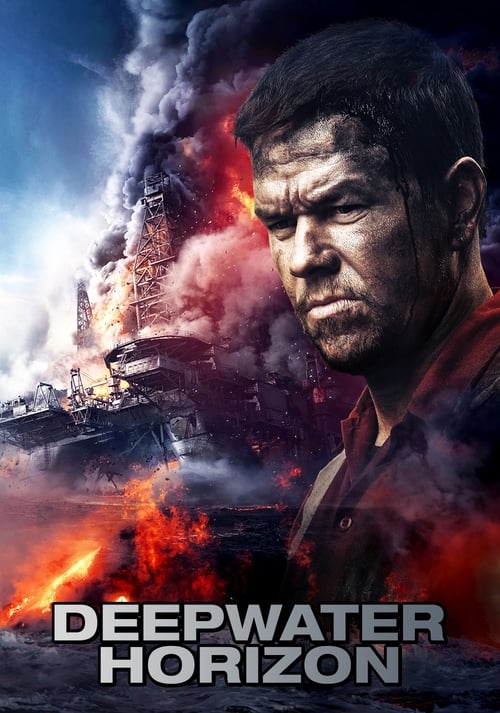
Deepwater Horizon
A story set on the offshore drilling rig Deepwater Horizon, which exploded during April 2010 and created the worst oil spill in U.S. history.
Working with a substantial budget of $110.0M, the film achieved a steady performer with $121.8M in global revenue (+11% profit margin).
Nominated for 2 Oscars. 4 wins & 15 nominations


Plot Structure
Story beats plotted across runtime


Narrative Arc
Emotional journey through the story's key moments
Story Circle
Blueprint 15-beat structure
Arcplot Score Breakdown
Weighted: Precision (70%) + Arc (15%) + Theme (15%)
Deepwater Horizon (2016) showcases meticulously timed plot construction, characteristic of Peter Berg's storytelling approach. This structural analysis examines how the film's 15-point plot structure maps to proven narrative frameworks across 1 hour and 47 minutes. With an Arcplot score of 7.3, the film balances conventional beats with creative variation.
Characters
Cast & narrative archetypes

Mike Williams
Jimmy Harrell
Donald Vidrine
Andrea Fleytas
Caleb Holloway
Felicia Williams
Main Cast & Characters
Mike Williams
Played by Mark Wahlberg
Chief electronics technician on Deepwater Horizon who survives the disaster and becomes a key witness to the events.
Jimmy Harrell
Played by Kurt Russell
Offshore installation manager who clashes with BP executives over safety concerns before the explosion.
Donald Vidrine
Played by John Malkovich
BP site manager who prioritizes schedule and cost over safety protocols, leading to catastrophic failure.
Andrea Fleytas
Played by Gina Rodriguez
Dynamic positioning officer who helps coordinate evacuation efforts during the disaster.
Caleb Holloway
Played by Dylan O'Brien
Rig worker and friend of Mike Williams who fights to survive the explosion and fire.
Felicia Williams
Played by Kate Hudson
Mike Williams' supportive wife who waits anxiously for news during the disaster.
Structural Analysis
The Status Quo at 1 minutes (1% through the runtime) establishes Mike Williams at home with his wife Felicia and daughter Sydney. He demonstrates how oil rigs work using a Coke can, showing his role as educator and family man. His normal life before the disaster.. Of particular interest, this early placement immediately immerses viewers in the story world.
The inciting incident occurs at 13 minutes when The crew discovers critical safety tests were not performed. The cement job is questionable, and BP executives Vidrine and Kaluza dismiss concerns, insisting on moving forward despite warnings from Jimmy and Mike about equipment failures.. At 12% through the film, this Disruption aligns precisely with traditional story structure. This beat shifts the emotional landscape, launching the protagonist into the central conflict.
The First Threshold at 26 minutes marks the transition into Act II, occurring at 25% of the runtime. This demonstrates the protagonist's commitment to The decision is made to proceed with displacing the mud despite anomalous pressure test results. Vidrine convinces the crew to accept the "bladder effect" explanation. This irreversible choice sets the disaster in motion., moving from reaction to action.
At 51 minutes, the Midpoint arrives at 48% of the runtime—precisely centered, creating perfect narrative symmetry. The analysis reveals that this crucial beat The blowout begins. Mud erupts onto the rig floor. What seemed manageable becomes catastrophic in seconds. False defeat - they think they can handle it, but this is the point of no return. The stakes are now life and death., fundamentally raising what's at risk. The emotional intensity shifts, dividing the narrative into clear before-and-after phases.
The Collapse moment at 78 minutes (73% through) represents the emotional nadir. Here, The rig is lost. People have died (11 crew members). Mike faces the reality that the platform is doomed and they must abandon ship. The "whiff of death" is literal - colleagues are dead, others are making final jumps into the burning ocean., indicates the protagonist at their lowest point. This beat's placement in the final quarter sets up the climactic reversal.
The Second Threshold at 85 minutes initiates the final act resolution at 79% of the runtime. The rescue boats arrive. The decision to survive, to go on living, to honor those who died by bearing witness. Mike realizes he must tell the truth about what happened - combining his technical knowledge with moral courage., demonstrating the transformation achieved throughout the journey.
Emotional Journey
Deepwater Horizon's emotional architecture traces a deliberate progression across 15 carefully calibrated beats.
Narrative Framework
This structural analysis employs a 15-point narrative structure framework that maps key story moments. By mapping Deepwater Horizon against these established plot points, we can identify how Peter Berg utilizes or subverts traditional narrative conventions. The plot point approach reveals not only adherence to structural principles but also creative choices that distinguish Deepwater Horizon within the drama genre.
Peter Berg's Structural Approach
Among the 10 Peter Berg films analyzed on Arcplot, the average structural score is 7.1, reflecting strong command of classical structure. Deepwater Horizon represents one of the director's most structurally precise works. For comparative analysis, explore the complete Peter Berg filmography.
Comparative Analysis
Additional drama films include After Thomas, South Pacific and Dirty Dancing: Havana Nights. For more Peter Berg analyses, see The Rundown, Friday Night Lights and Hancock.
Plot Points by Act
Act I
SetupStatus Quo
Mike Williams at home with his wife Felicia and daughter Sydney. He demonstrates how oil rigs work using a Coke can, showing his role as educator and family man. His normal life before the disaster.
Theme
Jimmy Harrell tells the BP executives: "Hope ain't a tactic, Don." This captures the central theme - proper safety procedures and preparation vs. hoping nothing goes wrong while cutting corners for profit.
Worldbuilding
Establishing the rig crew, their professionalism, and the tension between Transocean safety culture and BP's schedule pressure. Mike arrives on the rig via helicopter, introduces the crew dynamics, and reveals the rig is 43 days behind schedule.
Disruption
The crew discovers critical safety tests were not performed. The cement job is questionable, and BP executives Vidrine and Kaluza dismiss concerns, insisting on moving forward despite warnings from Jimmy and Mike about equipment failures.
Resistance
Debate over whether to proceed. Jimmy Harrell argues for running proper tests, but BP overrules him citing costs and schedule. The crew reluctantly agrees to run the negative pressure test, though concerns remain. Mike troubleshoots equipment issues.
Act II
ConfrontationFirst Threshold
The decision is made to proceed with displacing the mud despite anomalous pressure test results. Vidrine convinces the crew to accept the "bladder effect" explanation. This irreversible choice sets the disaster in motion.
Mirror World
Andrea Fleytas (the young bridge officer) represents the human element - she's nervous, learning, representing all the ordinary people whose lives depend on proper safety decisions. Her relationship with the crew embodies trust and responsibility.
Premise
The "promise of the premise" - watching professionals manage a dangerous industrial operation. The crew goes about their work as pressure builds literally and figuratively. Routine operations continue as the well conditions deteriorate unseen below.
Midpoint
The blowout begins. Mud erupts onto the rig floor. What seemed manageable becomes catastrophic in seconds. False defeat - they think they can handle it, but this is the point of no return. The stakes are now life and death.
Opposition
The disaster escalates. Explosions tear through the rig. Fire spreads. Systems fail. The crew fights to save lives, activate emergency systems, and evacuate. Nature and corporate negligence consequences close in. People are trapped, injured, dying.
Collapse
The rig is lost. People have died (11 crew members). Mike faces the reality that the platform is doomed and they must abandon ship. The "whiff of death" is literal - colleagues are dead, others are making final jumps into the burning ocean.
Crisis
Dark night on the water. Survivors in life rafts watch the rig burn. Processing trauma, loss, and the magnitude of the disaster. Mike and Andrea struggle with survivor's guilt and shock. Waiting for rescue in darkness.
Act III
ResolutionSecond Threshold
The rescue boats arrive. The decision to survive, to go on living, to honor those who died by bearing witness. Mike realizes he must tell the truth about what happened - combining his technical knowledge with moral courage.
Synthesis
Rescue and aftermath. Survivors are accounted for, treated, reunited with families. Mike returns home to Felicia and Sydney. The survivors bear witness to what happened. The resolution of who lived, who died, and what it means.
Transformation
Mike reunites with his family, forever changed. The final images show the real people - photos and names of the 11 who died. Mirrors the opening family scene, but Mike is no longer just a technician going to work - he's a survivor and witness to corporate negligence.