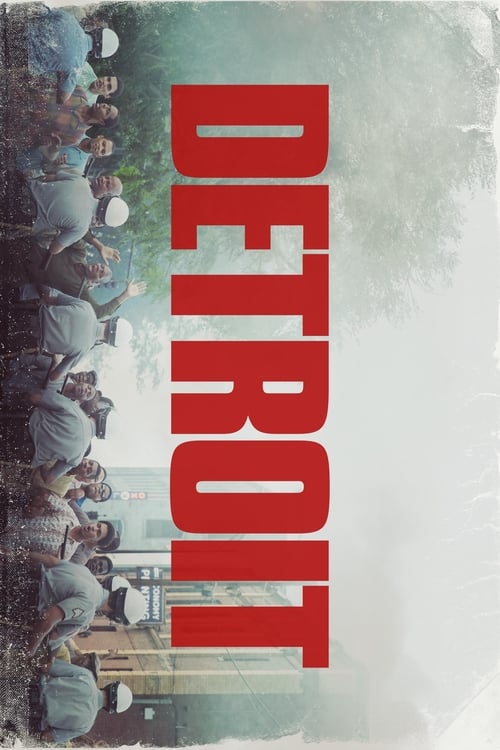
Detroit
A police raid in Detroit in 1967 results in one of the largest citizens' uprisings in the history of the United States.
The film struggled financially against its mid-range budget of $34.0M, earning $23.4M globally (-31% loss). While initial box office returns were modest, the film has gained appreciation for its unique voice within the drama genre.
5 wins & 21 nominations


Plot Structure
Story beats plotted across runtime


Narrative Arc
Emotional journey through the story's key moments
Story Circle
Blueprint 15-beat structure
Arcplot Score Breakdown
Weighted: Precision (70%) + Arc (15%) + Theme (15%)
Detroit (2017) exemplifies precise narrative design, characteristic of Kathryn Bigelow's storytelling approach. This structural analysis examines how the film's 15-point plot structure maps to proven narrative frameworks across 2 hours and 23 minutes. With an Arcplot score of 7.4, the film balances conventional beats with creative variation.
Characters
Cast & narrative archetypes

Melvin Dismukes
Larry Reed
Philip Krauss
Karen Malloy
Greene
Flynn
Demens
Aubrey Pollard
Fred Temple
Carl Cooper
Main Cast & Characters
Melvin Dismukes
Played by John Boyega
A private security guard who tries to maintain peace during the Algiers Motel incident while navigating racial tensions.
Larry Reed
Played by Algee Smith
A singer with The Dramatics whose life is forever changed by the trauma he experiences at the Algiers Motel.
Philip Krauss
Played by Will Poulter
A racist Detroit police officer who leads the brutal interrogation at the Algiers Motel with sadistic authority.
Karen Malloy
Played by Kaitlyn Dever
A young white woman who befriends Larry and becomes caught in the horror of the Algiers Motel incident.
Greene
Played by Anthony Mackie
A young Black man staying at the Algiers Motel who becomes a victim of police brutality and terror.
Flynn
Played by Ben O'Toole
A Detroit police officer who participates in the Algiers Motel interrogations alongside Krauss.
Demens
Played by Jack Reynor
A National Guard officer who becomes complicit in the violence at the Algiers Motel.
Aubrey Pollard
Played by Nathan Davis Jr.
A young Black man staying at the Algiers Motel who becomes a victim of the police violence.
Fred Temple
Played by Jacob Latimore
A young Black man at the Algiers Motel who tries to survive the police terror.
Carl Cooper
Played by Jason Mitchell
A young Black man at the Algiers Motel whose actions with a starter pistol trigger the police response.
Structural Analysis
The Status Quo at 2 minutes (1% through the runtime) establishes Animated prologue establishes the historical context of the Great Migration and racial tensions in Detroit. The ordinary world shows a city on the brink, with deep segregation between Black and white communities.. Significantly, this early placement immediately immerses viewers in the story world.
The inciting incident occurs at 17 minutes when Police raid an unlicensed bar (blind pig), triggering the 12th Street Riot. The normal world collapses as the city erupts into chaos, violence, and military occupation. This event disrupts all characters' lives.. At 12% through the film, this Disruption aligns precisely with traditional story structure. This beat shifts the emotional landscape, launching the protagonist into the central conflict.
The First Threshold at 36 minutes marks the transition into Act II, occurring at 25% of the runtime. This shows the protagonist's commitment to Larry and Fred seek shelter at the Algiers Motel. This choice to enter the motel sets them on a collision course with Krauss and the other officers, entering the world of the film's central nightmare., moving from reaction to action.
At 72 minutes, the Midpoint arrives at 50% of the runtime—precisely centered, creating perfect narrative symmetry. Significantly, this crucial beat The illegal interrogation intensifies to its most brutal point. Stakes raise as it becomes clear no one is coming to help and the officers will face no immediate accountability. False hope that someone might intervene is shattered., fundamentally raising what's at risk. The emotional intensity shifts, dividing the narrative into clear before-and-after phases.
The Collapse moment at 108 minutes (76% through) represents the emotional nadir. Here, The officers are acquitted in their trials. Justice dies. The whiff of death is both literal (the murders) and metaphorical (the death of hope for accountability). The system has completely failed., illustrates the protagonist at their lowest point. This beat's placement in the final quarter sets up the climactic reversal.
The Second Threshold at 115 minutes initiates the final act resolution at 80% of the runtime. Larry chooses to join a church choir instead of returning to The Dramatics. He accepts a different path forward - not victory, but survival and finding meaning in community rather than individual ambition., demonstrating the transformation achieved throughout the journey.
Emotional Journey
Detroit's emotional architecture traces a deliberate progression across 15 carefully calibrated beats.
Narrative Framework
This structural analysis employs proven narrative structure principles that track dramatic progression. By mapping Detroit against these established plot points, we can identify how Kathryn Bigelow utilizes or subverts traditional narrative conventions. The plot point approach reveals not only adherence to structural principles but also creative choices that distinguish Detroit within the drama genre.
Kathryn Bigelow's Structural Approach
Among the 7 Kathryn Bigelow films analyzed on Arcplot, the average structural score is 7.1, reflecting strong command of classical structure. Detroit represents one of the director's most structurally precise works. For comparative analysis, explore the complete Kathryn Bigelow filmography.
Comparative Analysis
Additional drama films include After Thomas, South Pacific and Dirty Dancing: Havana Nights. For more Kathryn Bigelow analyses, see The Hurt Locker, Zero Dark Thirty and K-19: The Widowmaker.
Plot Points by Act
Act I
SetupStatus Quo
Animated prologue establishes the historical context of the Great Migration and racial tensions in Detroit. The ordinary world shows a city on the brink, with deep segregation between Black and white communities.
Theme
A character observes that the system is rigged against Black people in Detroit - foreshadowing the institutional racism and abuse of power that will dominate the narrative.
Worldbuilding
Introduction of key characters: Larry the singer with The Dramatics, Melvin Dismukes the security guard, and the police. Establishes the multiple perspectives and the powder keg atmosphere of 1967 Detroit during extreme racial tension.
Disruption
Police raid an unlicensed bar (blind pig), triggering the 12th Street Riot. The normal world collapses as the city erupts into chaos, violence, and military occupation. This event disrupts all characters' lives.
Resistance
Characters navigate the escalating riot. Larry's concert is canceled. Dismukes tries to maintain order. Krauss, the racist officer, kills a looter and faces minimal consequences. Characters debate how to survive in this volatile situation.
Act II
ConfrontationFirst Threshold
Larry and Fred seek shelter at the Algiers Motel. This choice to enter the motel sets them on a collision course with Krauss and the other officers, entering the world of the film's central nightmare.
Mirror World
The motel becomes a microcosm of racial dynamics. The interactions between the white girls, Black men, and the multiracial group represent the thematic tension about race, power, and humanity.
Premise
The promise of the premise: an unflinching examination of police brutality and systemic racism. The motel sequences show the terror of being trapped with no protection from those who are supposed to protect.
Midpoint
The illegal interrogation intensifies to its most brutal point. Stakes raise as it becomes clear no one is coming to help and the officers will face no immediate accountability. False hope that someone might intervene is shattered.
Opposition
The aftermath of the Algiers Motel incident. Survivors struggle with trauma. The system closes ranks to protect the officers. Evidence is suppressed, witnesses intimidated, and the opposition (institutional racism) tightens its grip.
Collapse
The officers are acquitted in their trials. Justice dies. The whiff of death is both literal (the murders) and metaphorical (the death of hope for accountability). The system has completely failed.
Crisis
Larry and other survivors process the emotional devastation of injustice. Larry attempts to return to singing but is broken by PTSD. Characters sit in the darkness of unresolved trauma.
Act III
ResolutionSecond Threshold
Larry chooses to join a church choir instead of returning to The Dramatics. He accepts a different path forward - not victory, but survival and finding meaning in community rather than individual ambition.
Synthesis
Final sequences show where characters ended up. The epilogue text reveals the long-term consequences and continued injustice. The synthesis is grim: systemic change did not come, but individuals found ways to endure.
Transformation
Larry sings in the church choir, transformed from seeking fame to seeking solace. The image mirrors the opening but shows the cost - dreams deferred, innocence lost, but spirit not completely broken. A somber transformation.