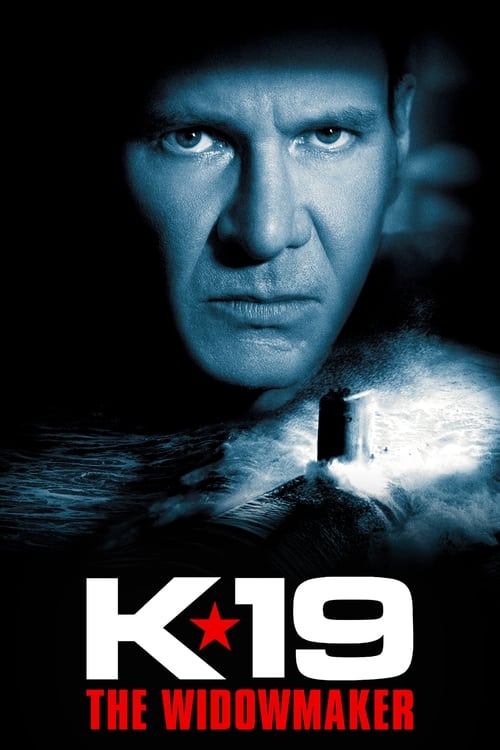
K-19: The Widowmaker
When Russia's first nuclear submarine malfunctions on its maiden voyage, the crew must race to save the ship and prevent a nuclear disaster.
The film underperformed commercially against its substantial budget of $100.0M, earning $65.7M globally (-34% loss). While initial box office returns were modest, the film has gained appreciation for its compelling narrative within the drama genre.
1 win & 2 nominations


Plot Structure
Story beats plotted across runtime


Narrative Arc
Emotional journey through the story's key moments
Story Circle
Blueprint 15-beat structure
Arcplot Score Breakdown
Weighted: Precision (70%) + Arc (15%) + Theme (15%)
K-19: The Widowmaker (2002) reveals deliberately positioned plot construction, characteristic of Kathryn Bigelow's storytelling approach. This structural analysis examines how the film's 15-point plot structure maps to proven narrative frameworks across 2 hours and 18 minutes. With an Arcplot score of 7.2, the film balances conventional beats with creative variation.
Characters
Cast & narrative archetypes

Alexei Vostrikov
Mikhail Polenin
Vadim Radtchenko
Yuri Demichev
Konstantin Poliansky
Pavel Loktev
Anatoly Shevchuk
Main Cast & Characters
Alexei Vostrikov
Played by Harrison Ford
The new captain assigned to K-19, a by-the-book officer determined to complete the mission despite impossible conditions and crew tensions.
Mikhail Polenin
Played by Liam Neeson
The original captain demoted to executive officer, beloved by the crew and caught between loyalty to his men and duty to his country.
Vadim Radtchenko
Played by Peter Sarsgaard
The reactor officer who must improvise solutions when the cooling system fails, facing lethal radiation to save the crew and prevent nuclear war.
Yuri Demichev
Played by Liam Cunningham
The political officer aboard K-19, representing Soviet ideology and surveillance, creating additional pressure on the command staff.
Konstantin Poliansky
Played by Steve Nicolson
The medical officer who must treat radiation victims with inadequate supplies, bearing witness to the crew's sacrifice.
Pavel Loktev
Played by Sam Spruell
A young reactor room technician who volunteers for deadly repair missions to save the submarine and his crewmates.
Anatoly Shevchuk
Played by Christian Camargo
A reactor technician and close friend of Loktev who also volunteers for the radiation-soaked repairs.
Structural Analysis
The Status Quo at 2 minutes (1% through the runtime) establishes Captain Vostrikov assumes command of K-19, replacing the well-liked Captain Polenin. The crew is shown in their ordinary world aboard the submarine, establishing the Cold War setting and military hierarchy.. Notably, this early placement immediately immerses viewers in the story world.
The inciting incident occurs at 17 minutes when K-19 is ordered to deploy immediately despite being unprepared and having critical systems untested. The crew realizes they are being sent on a dangerous mission with incomplete equipment and inadequate training.. At 12% through the film, this Disruption aligns precisely with traditional story structure. This beat shifts the emotional landscape, launching the protagonist into the central conflict.
The First Threshold at 35 minutes marks the transition into Act II, occurring at 25% of the runtime. This indicates the protagonist's commitment to K-19 reaches its patrol station and prepares to launch a test missile. Vostrikov chooses to proceed with the dangerous test despite the submarine's unreadiness, crossing into the high-stakes mission that will define the crew's fate., moving from reaction to action.
At 69 minutes, the Midpoint arrives at 50% of the runtime—precisely centered, creating perfect narrative symmetry. Notably, this crucial beat The nuclear reactor coolant system fails catastrophically. What seemed like a successful patrol turns into a life-threatening crisis. The submarine faces potential meltdown, and the crew must confront the reality of radiation exposure and possible death., fundamentally raising what's at risk. The emotional intensity shifts, dividing the narrative into clear before-and-after phases.
The Collapse moment at 104 minutes (75% through) represents the emotional nadir. Here, The reactor repair team members are dying from radiation poisoning, suffering horribly. The crew faces mutiny as they watch their comrades die. Vostrikov's leadership is at its lowest point as the human cost becomes unbearable., illustrates the protagonist at their lowest point. This beat's placement in the final quarter sets up the climactic reversal.
The Second Threshold at 110 minutes initiates the final act resolution at 80% of the runtime. Vostrikov makes the decision to accept help and bring the submarine home, synthesizing his duty to country with his responsibility to his crew. He chooses to save his men rather than maintain absolute secrecy., demonstrating the transformation achieved throughout the journey.
Emotional Journey
K-19: The Widowmaker's emotional architecture traces a deliberate progression across 15 carefully calibrated beats.
Narrative Framework
This structural analysis employs structural analysis methodology used to understand storytelling architecture. By mapping K-19: The Widowmaker against these established plot points, we can identify how Kathryn Bigelow utilizes or subverts traditional narrative conventions. The plot point approach reveals not only adherence to structural principles but also creative choices that distinguish K-19: The Widowmaker within the drama genre.
Kathryn Bigelow's Structural Approach
Among the 7 Kathryn Bigelow films analyzed on Arcplot, the average structural score is 7.1, reflecting strong command of classical structure. K-19: The Widowmaker represents one of the director's most structurally precise works. For comparative analysis, explore the complete Kathryn Bigelow filmography.
Comparative Analysis
Additional drama films include After Thomas, South Pacific and Dirty Dancing: Havana Nights. For more Kathryn Bigelow analyses, see The Hurt Locker, Detroit and Zero Dark Thirty.
Plot Points by Act
Act I
SetupStatus Quo
Captain Vostrikov assumes command of K-19, replacing the well-liked Captain Polenin. The crew is shown in their ordinary world aboard the submarine, establishing the Cold War setting and military hierarchy.
Theme
A character states that duty to country requires sacrifice, foreshadowing the film's exploration of loyalty, command responsibility, and the cost of following orders versus protecting one's men.
Worldbuilding
Introduction to the K-19 submarine, its crew, the tension between Vostrikov and Polenin, the rushed construction and training, and the high stakes of the Cold War nuclear deterrent mission.
Disruption
K-19 is ordered to deploy immediately despite being unprepared and having critical systems untested. The crew realizes they are being sent on a dangerous mission with incomplete equipment and inadequate training.
Resistance
Vostrikov drives the crew hard during the voyage, conducting drills and enforcing strict discipline. Tension builds between his by-the-book approach and Polenin's concern for the crew. The submarine heads toward its patrol station.
Act II
ConfrontationFirst Threshold
K-19 reaches its patrol station and prepares to launch a test missile. Vostrikov chooses to proceed with the dangerous test despite the submarine's unreadiness, crossing into the high-stakes mission that will define the crew's fate.
Mirror World
The relationship between Vostrikov and Polenin deepens as they navigate command decisions together. Polenin represents the thematic counterpoint—leadership through care for men versus leadership through duty to mission.
Premise
The submarine conducts its Cold War patrol and missile test. Tensions with American forces, internal crew conflicts, and the constant threat of detection or system failure deliver on the promise of a tense submarine thriller.
Midpoint
The nuclear reactor coolant system fails catastrophically. What seemed like a successful patrol turns into a life-threatening crisis. The submarine faces potential meltdown, and the crew must confront the reality of radiation exposure and possible death.
Opposition
Crew members volunteer for suicide missions into the reactor compartment to prevent meltdown. Men die from radiation exposure. Vostrikov refuses American help to maintain secrecy. The situation deteriorates as more men sicken and systems fail.
Collapse
The reactor repair team members are dying from radiation poisoning, suffering horribly. The crew faces mutiny as they watch their comrades die. Vostrikov's leadership is at its lowest point as the human cost becomes unbearable.
Crisis
Vostrikov and Polenin confront the weight of their decisions. The crew processes the loss of their friends. The captain must decide whether to continue refusing help or accept rescue, weighing duty against the lives of his remaining men.
Act III
ResolutionSecond Threshold
Vostrikov makes the decision to accept help and bring the submarine home, synthesizing his duty to country with his responsibility to his crew. He chooses to save his men rather than maintain absolute secrecy.
Synthesis
K-19 limps back to port. The crew works together to keep the submarine afloat. Vostrikov and Polenin find mutual respect. The survivors face the reality of what they've endured and the government's response to their heroism.
Transformation
An epilogue reveals the crew was sworn to secrecy for 28 years. Vostrikov, transformed by the experience, honors the men who died. The survivors gather years later, showing how the ordeal forged them into brothers despite their initial conflicts.