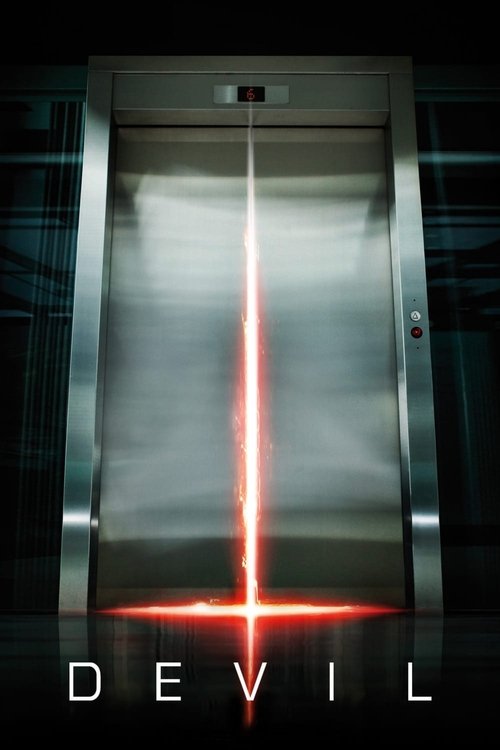
Devil
A group of people are trapped in an elevator high above Philadelphia, and one of them is the devil.
Despite its limited budget of $10.0M, Devil became a commercial success, earning $33.6M worldwide—a 236% return. The film's unique voice found its audience, illustrating how strong storytelling can transcend budget limitations.


Plot Structure
Story beats plotted across runtime


Narrative Arc
Emotional journey through the story's key moments
Story Circle
Blueprint 15-beat structure
Arcplot Score Breakdown
Weighted: Precision (70%) + Arc (15%) + Theme (15%)
Devil (2010) exemplifies deliberately positioned story structure, characteristic of John Erick Dowdle's storytelling approach. This structural analysis examines how the film's 15-point plot structure maps to proven narrative frameworks across 1 hour and 20 minutes. With an Arcplot score of 6.4, the film takes an unconventional approach to traditional narrative frameworks.
Characters
Cast & narrative archetypes

Detective Bowden
The Devil
Tony
Sarah
Ben
Vince
Ramirez
Main Cast & Characters
Detective Bowden
Played by Chris Messina
A detective investigating mysterious deaths in a building, haunted by a drunk driver who killed his family.
The Devil
Played by Jenny O'Hara
An old woman who is revealed to be the Devil in human form, punishing sinners.
Tony
Played by Logan Marshall-Green
A mechanic trapped in the elevator who killed a family in a hit-and-run accident.
Sarah
Played by Bojana Novakovic
A woman trapped in the elevator who is revealed to have committed fraud and embezzlement.
Ben
Played by Bokeem Woodbine
A security guard with a troubled past who is trapped in the elevator.
Vince
Played by Geoffrey Arend
A sleazy salesman trapped in the elevator who assaulted Sarah.
Ramirez
Played by Jacob Vargas
A religious security guard who believes the Devil is among the trapped people.
Structural Analysis
The Status Quo at 1 minutes (1% through the runtime) establishes Opening image: inverted Philadelphia skyline as narrator speaks of the Devil walking the earth. Establishes dark, ominous tone and supernatural threat.. Structural examination shows that this early placement immediately immerses viewers in the story world.
The inciting incident occurs at 9 minutes when The elevator becomes stuck between floors. Five strangers are trapped together. The lights flicker for the first time, and when they come back on, a woman has been bitten on her back.. At 12% through the film, this Disruption aligns precisely with traditional story structure. This beat shifts the emotional landscape, launching the protagonist into the central conflict.
The First Threshold at 20 minutes marks the transition into Act II, occurring at 25% of the runtime. This demonstrates the protagonist's commitment to First death occurs in the elevator when lights go out. The salesman is killed, hanging from the ceiling. The supernatural threat is confirmed real. No turning back from the life-or-death situation., moving from reaction to action.
At 40 minutes, the Midpoint arrives at 50% of the runtime—precisely centered, creating perfect narrative symmetry. Significantly, this crucial beat Second death: the security guard is brutally killed with a shard of glass. Stakes raised as only three remain. Bowden discovers Tony is the hit-and-run driver who killed his family, making the investigation deeply personal., fundamentally raising what's at risk. The emotional intensity shifts, dividing the narrative into clear before-and-after phases.
The Collapse moment at 60 minutes (75% through) represents the emotional nadir. Here, The lights go out again. Tony is attacked and seems doomed. The Old Woman is revealed as the Devil. All hope appears lost as evil has won and Tony faces damnation for his unconfessed sins., demonstrates the protagonist at their lowest point. This beat's placement in the final quarter sets up the climactic reversal.
The Second Threshold at 64 minutes initiates the final act resolution at 80% of the runtime. Tony confesses his sin aloud: "I'm so sorry. I killed them. I killed that mother and her son." The moment of genuine repentance and confession breaks the Devil's power. The supernatural hold is released., demonstrating the transformation achieved throughout the journey.
Emotional Journey
Devil's emotional architecture traces a deliberate progression across 15 carefully calibrated beats.
Narrative Framework
This structural analysis employs systematic plot point analysis that identifies crucial turning points. By mapping Devil against these established plot points, we can identify how John Erick Dowdle utilizes or subverts traditional narrative conventions. The plot point approach reveals not only adherence to structural principles but also creative choices that distinguish Devil within the horror genre.
John Erick Dowdle's Structural Approach
Among the 4 John Erick Dowdle films analyzed on Arcplot, the average structural score is 7.1, reflecting strong command of classical structure. Devil takes a more unconventional approach compared to the director's typical style. For comparative analysis, explore the complete John Erick Dowdle filmography.
Comparative Analysis
Additional horror films include Thinner, A Nightmare on Elm Street and Mary Reilly. For more John Erick Dowdle analyses, see As Above, So Below, Quarantine and No Escape.
Plot Points by Act
Act I
SetupStatus Quo
Opening image: inverted Philadelphia skyline as narrator speaks of the Devil walking the earth. Establishes dark, ominous tone and supernatural threat.
Theme
Ramirez tells the story his mother told him: "When the Devil is near, bad things happen" and that the Devil's meeting always begins with a suicide. Theme of evil, redemption, and confession stated.
Worldbuilding
Introduction of five strangers entering an office building and boarding an elevator together. Detective Bowden arrives at suicide scene. Security team monitors elevator. Establishes confined setting and multiple characters.
Disruption
The elevator becomes stuck between floors. Five strangers are trapped together. The lights flicker for the first time, and when they come back on, a woman has been bitten on her back.
Resistance
Building security and mechanics attempt to fix the elevator. Detective Bowden takes charge of the investigation. Tensions rise among the trapped passengers as they suspect each other. Ramirez explains the Devil's meeting signs.
Act II
ConfrontationFirst Threshold
First death occurs in the elevator when lights go out. The salesman is killed, hanging from the ceiling. The supernatural threat is confirmed real. No turning back from the life-or-death situation.
Mirror World
Detective Bowden reveals his personal tragedy: his wife and son were killed by a hit-and-run driver who never apologized. This parallel story of guilt, confession, and forgiveness mirrors the theme playing out in the elevator.
Premise
The trapped passengers turn on each other as Detective Bowden investigates their backgrounds. Each has a dark secret. The Devil toys with them, creating paranoia and fear. Failed rescue attempts heighten desperation.
Midpoint
Second death: the security guard is brutally killed with a shard of glass. Stakes raised as only three remain. Bowden discovers Tony is the hit-and-run driver who killed his family, making the investigation deeply personal.
Opposition
Remaining passengers grow increasingly desperate. Bowden struggles with confronting his family's killer. Third death occurs (mechanic Vince). Only Tony and the Old Woman remain. All rescue attempts fail as supernatural forces interfere.
Collapse
The lights go out again. Tony is attacked and seems doomed. The Old Woman is revealed as the Devil. All hope appears lost as evil has won and Tony faces damnation for his unconfessed sins.
Crisis
Tony lies dying in darkness with the Devil. Bowden, listening over intercom, faces his darkest moment: helplessly hearing his family's killer about to die. Tony reaches his own dark night, confronting his guilt.
Act III
ResolutionSecond Threshold
Tony confesses his sin aloud: "I'm so sorry. I killed them. I killed that mother and her son." The moment of genuine repentance and confession breaks the Devil's power. The supernatural hold is released.
Synthesis
The Devil vanishes, defeated by confession and redemption. Tony survives and is rescued. Bowden confronts Tony in the ambulance, facing the man who killed his family. Bowden chooses forgiveness over vengeance, embodying the theme.
Transformation
Bowden tells Tony "I forgive you" and watches him taken away. Ramirez narrates that his mother was right: the Devil is real, but so is God. Closing image shows Bowden transformed through forgiveness, mirroring the inverted opening.