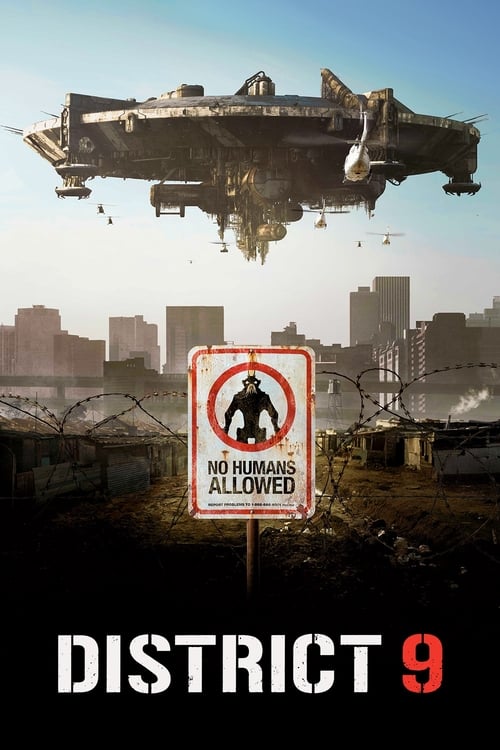
District 9
Thirty years ago, aliens arrive on Earth. Not to conquer or give aid, but to find refuge from their dying planet. Separated from humans in a South African area called District 9, the aliens are managed by Multi-National United, which is unconcerned with the aliens' welfare but will do anything to master their advanced technology. When a company field agent contracts a mysterious virus that begins to alter his DNA, there is only one place he can hide: District 9.
Despite a respectable budget of $30.0M, District 9 became a runaway success, earning $210.9M worldwide—a remarkable 603% return.
Nominated for 4 Oscars. 32 wins & 117 nominations


Plot Structure
Story beats plotted across runtime


Narrative Arc
Emotional journey through the story's key moments
Story Circle
Blueprint 15-beat structure
Arcplot Score Breakdown
Weighted: Precision (70%) + Arc (15%) + Theme (15%)
District 9 (2009) demonstrates meticulously timed story structure, characteristic of Neill Blomkamp's storytelling approach. This structural analysis examines how the film's 15-point plot structure maps to proven narrative frameworks across 1 hour and 52 minutes. With an Arcplot score of 6.8, the film balances conventional beats with creative variation.
Characters
Cast & narrative archetypes

Wikus van de Merwe
Christopher Johnson
Koobus Venter
Tania van de Merwe
Piet Smit
Obesandjo
Main Cast & Characters
Wikus van de Merwe
Played by Sharlto Copley
MNU bureaucrat assigned to evict aliens who becomes infected with alien fluid and undergoes transformation
Christopher Johnson
Played by Jason Cope
Intelligent prawn leader who seeks to return home and save his people
Koobus Venter
Played by David James
Brutal MNU mercenary leader who hunts Wikus with ruthless efficiency
Tania van de Merwe
Played by Vanessa Haywood
Wikus's wife who initially stands by him but is eventually turned against him
Piet Smit
Played by Louis Minnaar
MNU executive and Wikus's father-in-law who exploits the alien situation for corporate gain
Obesandjo
Played by Eugene Khumbanyiwa
Nigerian crime lord in District 9 who believes consuming alien flesh grants their powers
Structural Analysis
The Status Quo at 1 minutes (1% through the runtime) establishes Documentary-style footage introduces Wikus van de Merwe as an eager MNU bureaucrat preparing to lead the alien relocation operation from District 9 to District 10. He's ordinary, enthusiastic about his promotion, and casually prejudiced against the "prawns.".. Notably, this early placement immediately immerses viewers in the story world.
The inciting incident occurs at 14 minutes when During the eviction operation, Wikus discovers and confiscates a mysterious black fluid canister from Christopher Johnson's shack. While investigating it, the device sprays alien fluid directly into his face, beginning his transformation.. At 12% through the film, this Disruption aligns precisely with traditional story structure. This beat shifts the emotional landscape, launching the protagonist into the central conflict.
The First Threshold at 28 minutes marks the transition into Act II, occurring at 25% of the runtime. This shows the protagonist's commitment to Wikus escapes from MNU's medical facility and goes on the run. Hunted by both MNU and Nigerian gangs, with his face broadcast as a fugitive, he makes the desperate choice to hide in the one place no one would look: District 9 itself, among the "prawns" he once despised., moving from reaction to action.
At 57 minutes, the Midpoint arrives at 50% of the runtime—precisely centered, creating perfect narrative symmetry. Notably, this crucial beat After successfully recovering the fluid and reaching Christopher's ship, Wikus learns the horrifying truth: MNU has been conducting brutal experiments on live aliens, torturing and vivisecting them. Christopher sees his dissected friends and declares he must expose this to his people. He abandons the immediate escape plan, devastating Wikus. False victory collapses., fundamentally raising what's at risk. The emotional intensity shifts, dividing the narrative into clear before-and-after phases.
The Collapse moment at 85 minutes (76% through) represents the emotional nadir. Here, Wikus, now almost completely transformed into a prawn, prepares to be butchered by Obesandjo's men who believe eating his alien arm will give them power. His humanity nearly extinguished, his body monstrous, his wife lost to him forever—this is his all-is-lost moment. He sees his reflection: he has become what he once considered garbage., reveals the protagonist at their lowest point. This beat's placement in the final quarter sets up the climactic reversal.
The Second Threshold at 90 minutes initiates the final act resolution at 80% of the runtime. Wikus makes a choice from pure selflessness for the first time: he will save Christopher and CJ, knowing it means Christopher will leave Earth and take the only cure with him. Wikus accepts his permanent transformation in exchange for doing what's right. He escapes his captors and arms himself with alien weapons only he can fire., demonstrating the transformation achieved throughout the journey.
Emotional Journey
District 9's emotional architecture traces a deliberate progression across 15 carefully calibrated beats.
Narrative Framework
This structural analysis employs proven narrative structure principles that track dramatic progression. By mapping District 9 against these established plot points, we can identify how Neill Blomkamp utilizes or subverts traditional narrative conventions. The plot point approach reveals not only adherence to structural principles but also creative choices that distinguish District 9 within the science fiction genre.
Neill Blomkamp's Structural Approach
Among the 4 Neill Blomkamp films analyzed on Arcplot, the average structural score is 7.0, demonstrating varied approaches to story architecture. District 9 takes a more unconventional approach compared to the director's typical style. For comparative analysis, explore the complete Neill Blomkamp filmography.
Comparative Analysis
Additional science fiction films include The Postman, Mad Max 2 and AVP: Alien vs. Predator. For more Neill Blomkamp analyses, see Chappie, Elysium and Gran Turismo.
Plot Points by Act
Act I
SetupStatus Quo
Documentary-style footage introduces Wikus van de Merwe as an eager MNU bureaucrat preparing to lead the alien relocation operation from District 9 to District 10. He's ordinary, enthusiastic about his promotion, and casually prejudiced against the "prawns."
Theme
A sociologist in interview footage states: "It's all about resources and how they're distributed. The aliens became just another problem to be managed." This crystallizes the film's theme about dehumanization, discrimination, and what it means to be treated as "other."
Worldbuilding
Through mockumentary interviews and archival footage, we learn the aliens arrived 28 years ago, have been segregated in slums, and are now being forcibly relocated. We meet Wikus, his wife Tania, his father-in-law Piet Smit (MNU head), and see the apartheid-like conditions of District 9.
Disruption
During the eviction operation, Wikus discovers and confiscates a mysterious black fluid canister from Christopher Johnson's shack. While investigating it, the device sprays alien fluid directly into his face, beginning his transformation.
Resistance
Wikus becomes ill and tries to hide his symptoms. His arm begins transforming into an alien appendage. MNU discovers his condition and immediately sees him as valuable—he can operate alien weapons. He's seized, tested, and scheduled for vivisection. His debate: accept death or run.
Act II
ConfrontationFirst Threshold
Wikus escapes from MNU's medical facility and goes on the run. Hunted by both MNU and Nigerian gangs, with his face broadcast as a fugitive, he makes the desperate choice to hide in the one place no one would look: District 9 itself, among the "prawns" he once despised.
Mirror World
Wikus encounters Christopher Johnson and his son CJ, discovering they've been secretly collecting the alien fluid for 20 years to power their ship and return home. Christopher represents everything Wikus isn't: patient, purposeful, protective, and morally clear. Their reluctant partnership begins.
Premise
The promise: watching a racist human become the hunted alien. Wikus and Christopher form an uneasy alliance. They infiltrate MNU headquarters to retrieve the confiscated fluid. Wikus experiences District 9 from the prawns' perspective—the poverty, violence, and dehumanization he enabled. His transformation accelerates.
Midpoint
After successfully recovering the fluid and reaching Christopher's ship, Wikus learns the horrifying truth: MNU has been conducting brutal experiments on live aliens, torturing and vivisecting them. Christopher sees his dissected friends and declares he must expose this to his people. He abandons the immediate escape plan, devastating Wikus. False victory collapses.
Opposition
Christopher changes course—now focused on justice, not just escape. Wikus, desperate and nearly fully transformed, betrays Christopher to the Nigerian gang leader Obesandjo, hoping to cure himself by eating alien flesh. MNU closes in. The Nigerian gang captures Christopher. Wikus hits bottom morally and physically, alone and monstrous.
Collapse
Wikus, now almost completely transformed into a prawn, prepares to be butchered by Obesandjo's men who believe eating his alien arm will give them power. His humanity nearly extinguished, his body monstrous, his wife lost to him forever—this is his all-is-lost moment. He sees his reflection: he has become what he once considered garbage.
Crisis
In the darkness following his collapse, Wikus overhears that Christopher and CJ are captive in the same compound. For the first time, Wikus experiences true empathy—not for himself, but for others. He processes the enormity of what he's done and who he's been.
Act III
ResolutionSecond Threshold
Wikus makes a choice from pure selflessness for the first time: he will save Christopher and CJ, knowing it means Christopher will leave Earth and take the only cure with him. Wikus accepts his permanent transformation in exchange for doing what's right. He escapes his captors and arms himself with alien weapons only he can fire.
Synthesis
Wikus stages a one-man assault on the MNU forces to buy Christopher time to reach the mothership. Using an alien mech suit, he battles both MNU mercenaries and Obesandjo's gang. In the finale, he abandons the mech to ensure Christopher and CJ escape, accepting his sacrifice. Christopher's ship ascends, promising to return in three years to cure everyone.
Transformation
Final interview reveals Wikus is now fully transformed, living anonymously among the prawns in District 9. Tania finds a metal flower on her doorstep—the kind Wikus used to make for her—suggesting he's still in there. The man who once evicted aliens now is one, having gained humanity by losing his human form.